21 Transitional Living Room Decor Ideas for Balanced Homes
Introduction
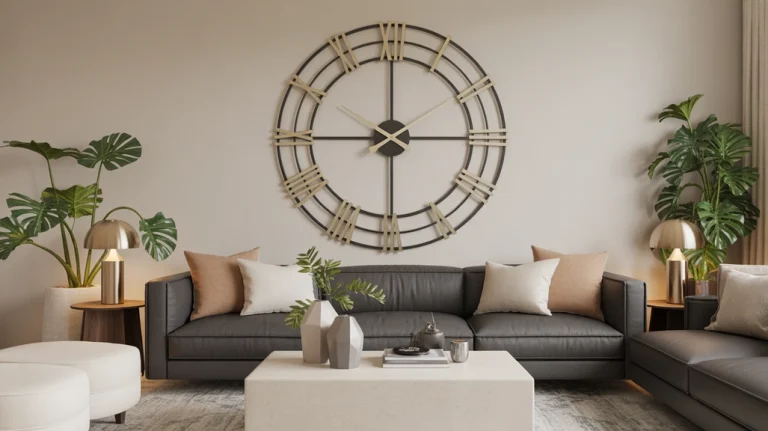
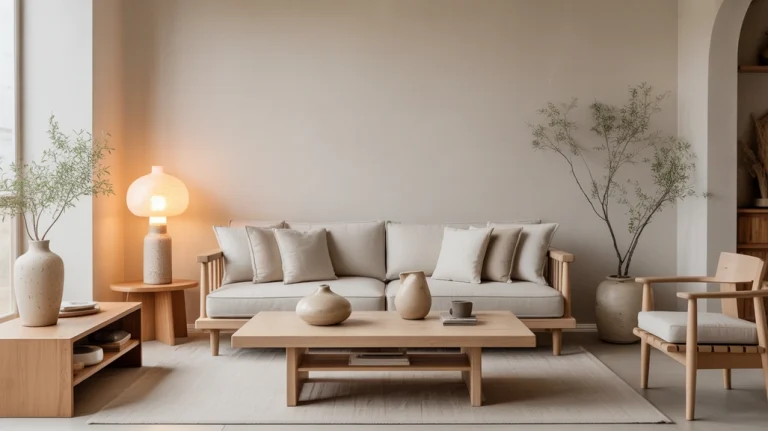
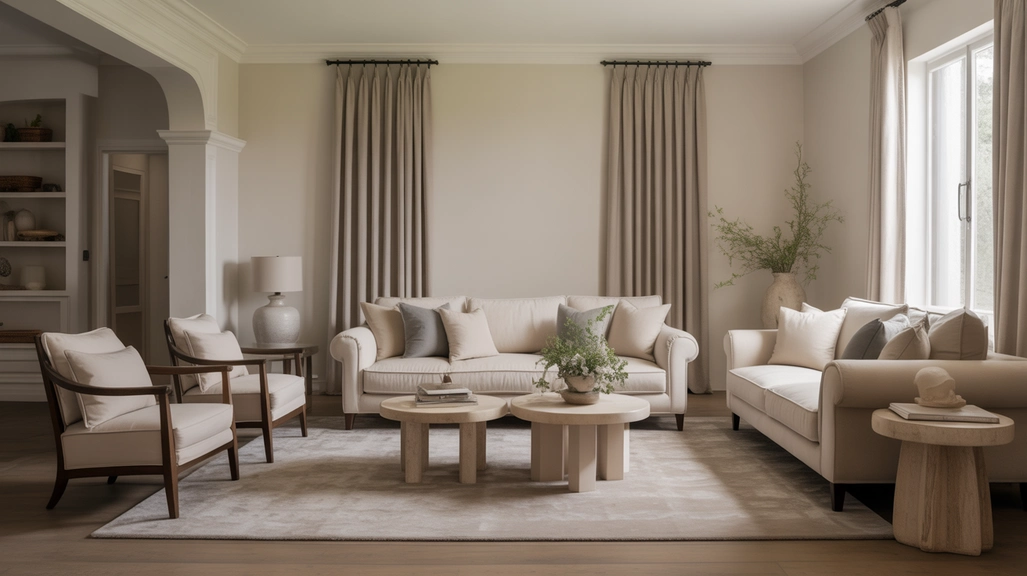
Transitional living room decor ideas focus on balance rather than contrast, blending traditional structure with modern simplicity in a way that feels calm and enduring. This style avoids extremes, relying on proportion, neutral palettes, and thoughtful material choices to create spaces that feel polished yet approachable. Furniture leans classic without feeling heavy, while finishes remain clean without appearing stark. The goal is not to showcase trends but to support everyday living through visual harmony, a mindset that also aligns naturally with cozy Scandinavian living room ideas rooted in simplicity and comfort.
1. Neutral Foundations That Bridge Classic and Modern
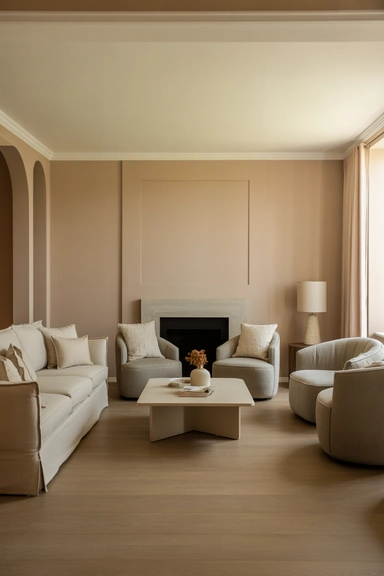
Neutral color palettes form the backbone of transitional living room decor ideas, allowing traditional and modern elements to coexist without tension. Soft whites, warm beiges, light taupes, and muted grays create a visual foundation that feels calm and adaptable. These tones prevent the space from leaning too formal or too minimal, making the room approachable and livable.
Variation within neutrals is essential. Using multiple shades across walls, upholstery, and textiles adds depth without introducing visual noise. Matte and lightly textured finishes help avoid flatness. When the palette feels layered rather than uniform, the living room gains quiet sophistication while remaining flexible enough to accommodate evolving decor choices.
2. Clean-Lined Furniture With Classic Proportions
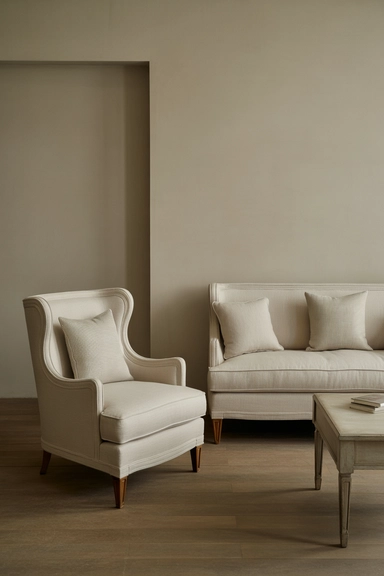
Furniture in transitional living room decor ideas strikes a careful balance between formality and comfort. Pieces often feature clean lines and restrained silhouettes while maintaining classic proportions. Sofas with tailored shapes, subtle curves, or traditional arms feel grounded without appearing ornate.
Materials play a supporting role. Upholstery in linen blends, performance fabrics, or soft leather keeps furniture practical for daily use. Avoid overly trendy shapes that date quickly. When furniture feels timeless and well-proportioned, it anchors the room visually and allows decorative elements to change without disrupting the overall balance.
3. Transitional Living Room Decor Ideas Using Mixed Materials
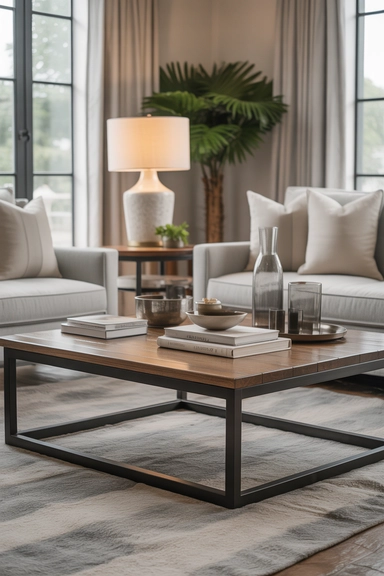
Material mixing is central to transitional living room decor ideas, but the contrast is softened rather than dramatic. Wood, metal, glass, and fabric appear together in restrained combinations that feel cohesive. For example, a wooden coffee table paired with metal accents and fabric seating creates depth without sharp contrast.
The key is moderation. Each material should appear more than once to establish rhythm and consistency. Finishes should complement rather than compete with one another. When materials are repeated thoughtfully, the living room feels layered and intentional, bridging traditional warmth with modern clarity.
4. Subtle Contrast Through Texture Instead of Color
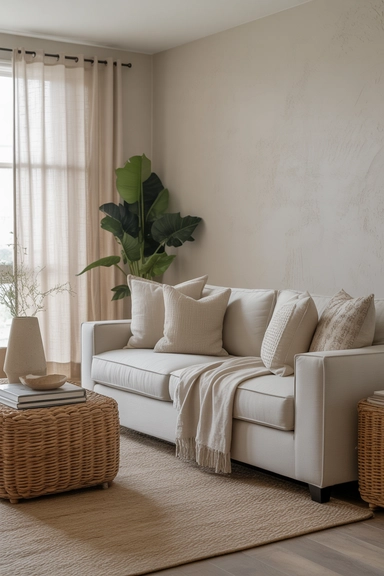
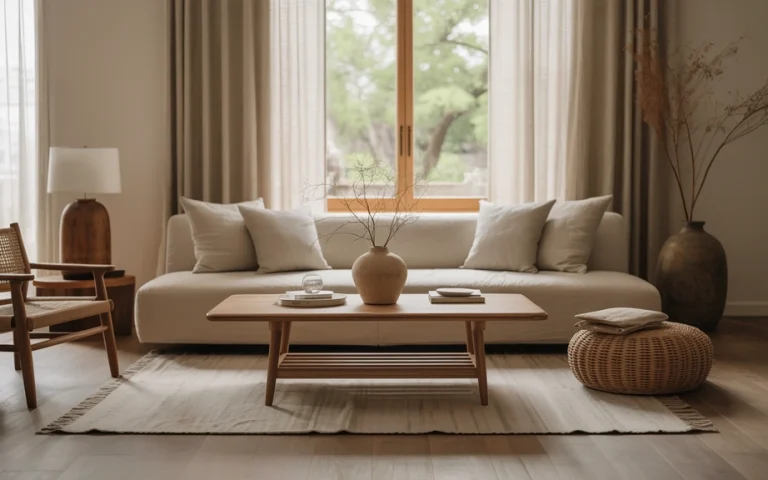
Transitional living room decor ideas rely more on texture than bold color to create interest. Woven rugs, upholstered seating, soft throws, and lightly textured walls add dimension while preserving a calm palette. This approach keeps the room visually engaging without overwhelming the senses.
Texture also supports comfort. Layered materials soften clean-lined furniture and architectural features, making the space feel welcoming. Avoid excessive pattern mixing; instead, let texture carry the visual weight. When contrast comes from material variation rather than color, the room remains balanced and timeless.
5. Thoughtful Lighting That Enhances Balance
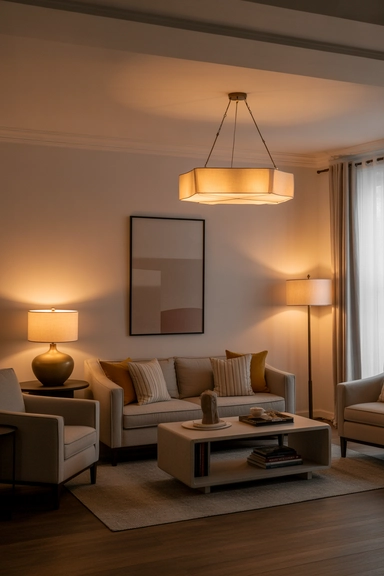
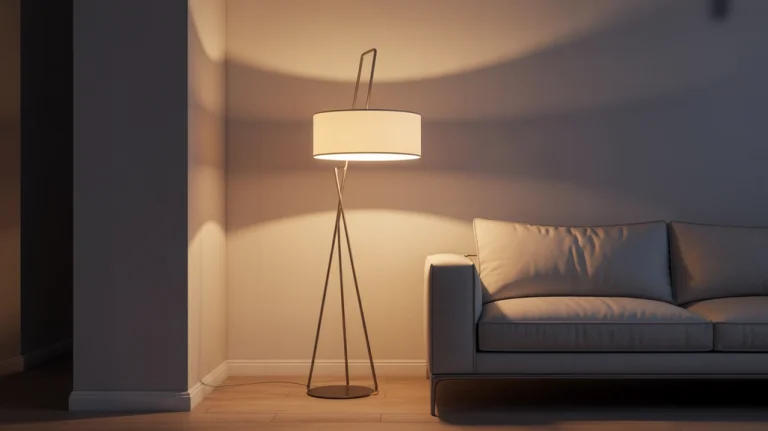
Lighting plays a quiet but critical role in transitional living room decor ideas. Fixtures often combine classic shapes with simplified details, such as streamlined chandeliers or modernized table lamps. The goal is to enhance the room’s balance rather than draw attention to the lighting itself.
Layered lighting improves both function and atmosphere. Ambient lighting establishes overall brightness, while table and floor lamps create warmth and depth. Warm light temperatures help unify traditional and modern elements, ensuring the living room feels cohesive and comfortable throughout the day.
6. Simple Window Treatments With Soft Structure
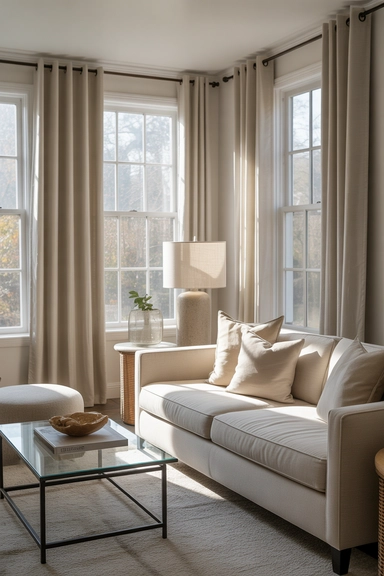
Window treatments in transitional living room decor ideas are understated yet intentional. Curtains and shades should frame windows without dominating them. Neutral fabrics, light textures, and clean lines support the room’s balance and allow natural light to play a central role.
Avoid heavy drapery or overly decorative hardware. Instead, choose simple rods and tailored panels that complement the furniture and palette. When window treatments feel structured but soft, they reinforce the transitional aesthetic and help maintain visual flow across the living room.
7. Balanced Layouts That Feel Open Yet Defined
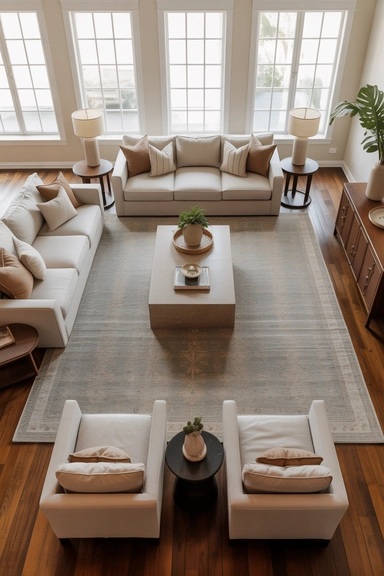
Transitional living room decor ideas often rely on layouts that feel open without losing definition. Furniture placement should encourage flow while still creating clear zones for seating, conversation, and movement. Unlike rigid traditional layouts or overly open modern ones, transitional spaces sit comfortably in between.
Area rugs, lighting, and furniture orientation help establish boundaries without walls. Sofas and chairs should face each other to promote interaction, while leaving enough space for circulation. When the layout feels intentional and easy to navigate, the room supports daily use while maintaining visual order.
8. Transitional Living Room Decor Ideas With Refined Accents
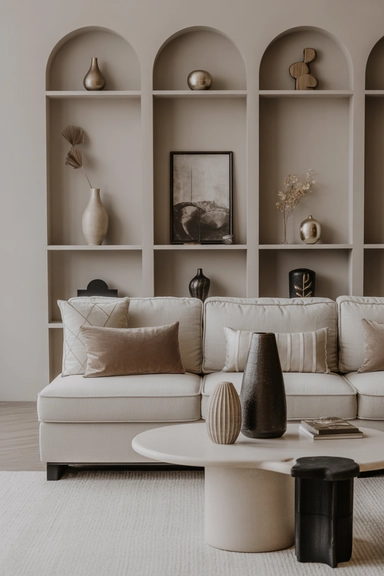
Accent pieces in transitional living room decor ideas are chosen for subtle refinement rather than visual impact. Decorative objects, artwork, and accessories should feel considered but not attention-seeking. The goal is to enhance the room’s balance, not disrupt it.
Scale matters more than quantity. A few well-sized accents placed thoughtfully create more harmony than multiple small pieces scattered around the room. Materials like ceramic, glass, and brushed metal work well when finishes remain understated. This approach keeps the living room polished while avoiding unnecessary ornamentation.
9. Wall Decor That Feels Calm and Structured
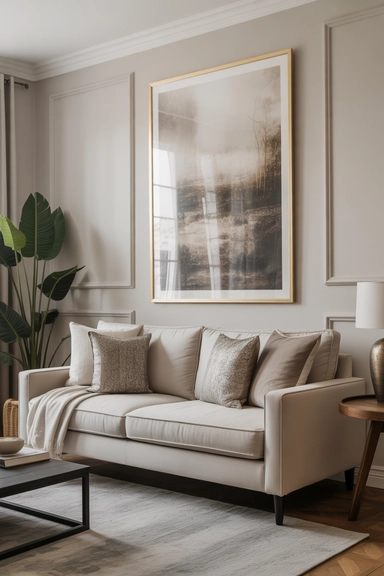
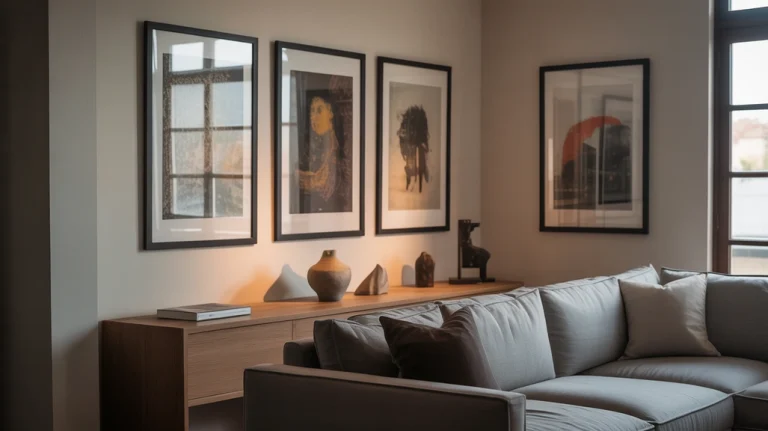
Wall decor in transitional living room decor ideas should support the room’s sense of order. Large-scale artwork, simple framed prints, or restrained gallery arrangements work better than busy displays. Walls should feel dressed but not crowded.
Spacing is essential. Leaving areas of open wall allows the eye to rest and prevents visual overload. Neutral frames and muted artwork tones maintain cohesion with the overall palette. When wall decor feels structured and restrained, it reinforces the calm, balanced nature of transitional design.
10. Storage Solutions That Blend In Seamlessly
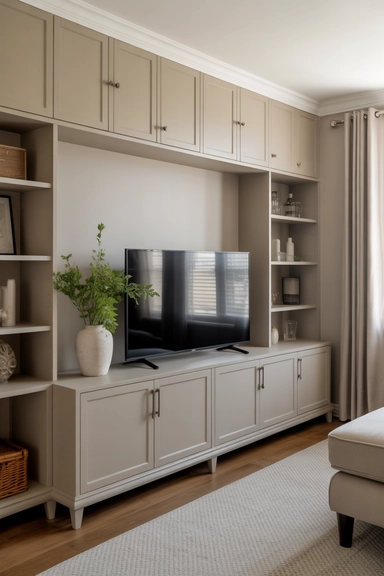
Storage in transitional living room decor ideas should feel integrated rather than prominent. Cabinets, consoles, and shelving with clean lines and classic proportions blend into the room instead of drawing attention. This helps maintain visual clarity and order.
Closed storage is often preferred, as it keeps everyday items out of sight. Hardware should be simple and finishes consistent with surrounding furniture. When storage solutions feel cohesive with the room’s design, they support functionality without disrupting the transitional aesthetic.
11. Rugs That Anchor the Space Without Overpowering
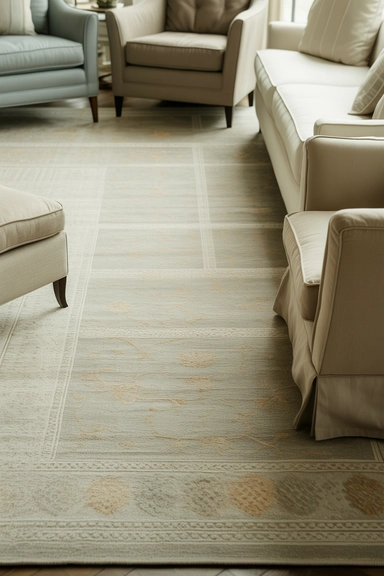
Rugs play an important role in transitional living room decor ideas by grounding furniture and adding softness. Patterns should be subtle, using muted tones or classic motifs that won’t dominate the space. The rug should support the layout rather than act as a focal point.
Size is critical. A rug that properly fits under seating creates cohesion and prevents the room from feeling fragmented. Low- to medium-pile rugs work best, offering comfort while maintaining a clean look. When chosen thoughtfully, rugs reinforce balance and warmth.
12. Consistent Finishes That Create Visual Harmony
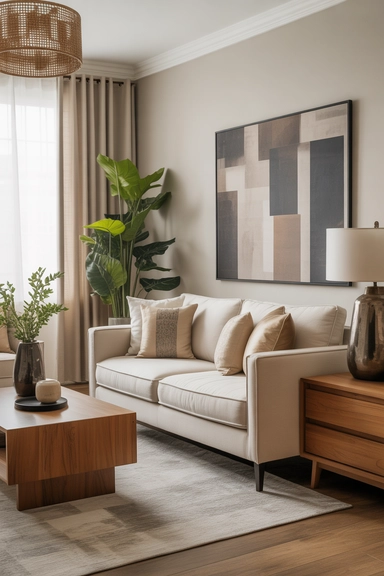
Consistency across finishes is a defining feature of successful transitional living room decor ideas. Metals, wood tones, and fabric textures should repeat subtly throughout the room. This repetition creates visual rhythm and prevents the space from feeling disjointed.
Avoid mixing too many contrasting finishes. Instead, choose a limited palette and vary it slightly for depth. When finishes feel coordinated rather than matched exactly, the living room appears cohesive, polished, and easy to live in over time.
13. Transitional Living Room Decor Ideas With Soft Color Accents
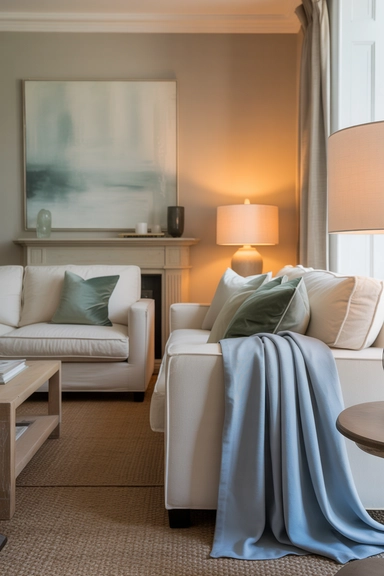
Soft color accents help transitional living room decor ideas feel layered without overpowering the neutral base. Muted blues, warm taupes, soft greens, or dusty neutrals work well when introduced through cushions, artwork, or subtle upholstery. These tones add interest while maintaining the calm balance that defines transitional spaces.
The key is restraint. Accents should appear in small doses and repeat gently across the room to avoid feeling random. Avoid bold contrasts or overly saturated hues. When color is used thoughtfully, it supports visual harmony and adds warmth without shifting the room toward a specific trend or era.
14. Coffee Tables That Combine Function and Elegance
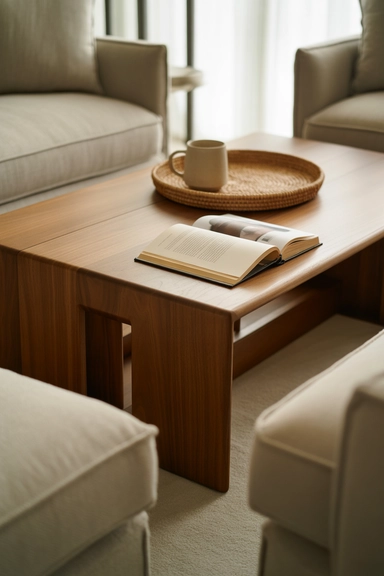
Coffee tables in transitional living room decor ideas often blend classic shapes with modern simplicity. Wood tables with clean profiles, stone tops with understated bases, or mixed-material designs fit naturally into balanced interiors. The table should feel substantial without appearing heavy or ornate.
Proportion is essential. A coffee table that aligns well with surrounding seating creates visual order and improves usability. Decorative styling should remain minimal, focusing on a few purposeful items. When the coffee table feels refined yet practical, it reinforces the room’s overall sense of balance.
15. Seating Arrangements That Encourage Comfort
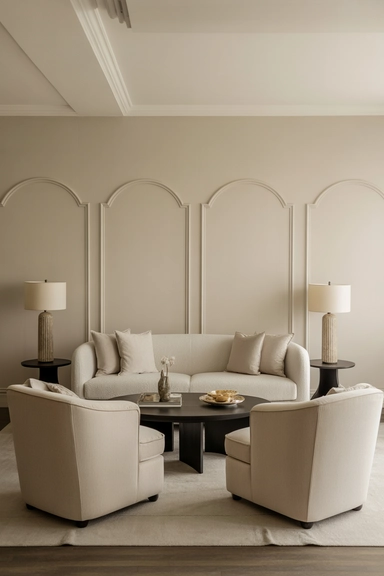
Comfort is central to transitional living room decor ideas, especially in how seating is arranged. Chairs and sofas should feel inviting and positioned to support conversation. Unlike formal layouts, transitional spaces prioritize ease while still maintaining structure.
Mixing seating styles can add interest when done carefully. For example, pairing a tailored sofa with softly curved accent chairs creates contrast without disruption. Upholstery should remain neutral and durable. When seating feels approachable and well-arranged, the living room supports both everyday use and social gatherings.
16. Artwork That Enhances Calm Rather Than Dominates
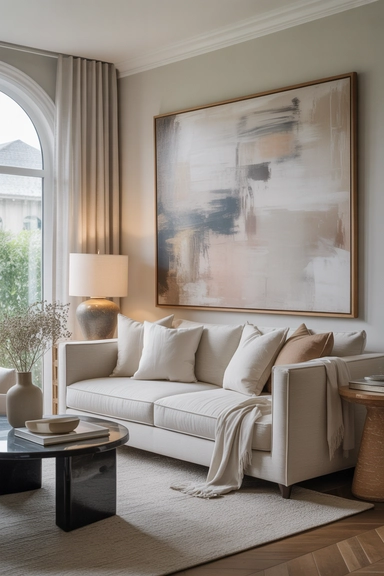
Artwork in transitional living room decor ideas should complement the room rather than command attention. Pieces with neutral palettes, soft movement, or abstract forms work well within balanced interiors. The goal is to add visual interest without introducing strong stylistic extremes.
Scale and placement matter more than quantity. One large piece or a small, cohesive grouping often feels more intentional than multiple scattered artworks. Frames should remain simple and consistent. When artwork feels integrated into the overall design, it strengthens the room’s calm, composed atmosphere.
17. Layered Textiles for Subtle Warmth
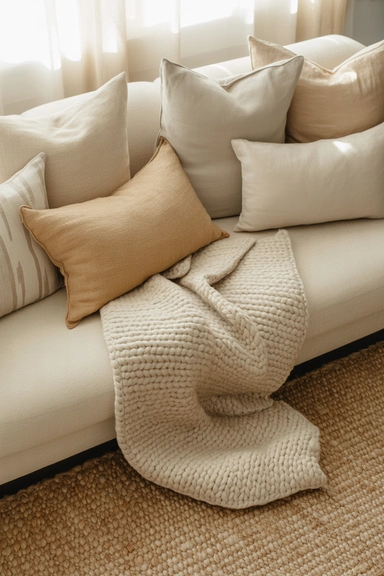
Textiles add warmth and comfort to transitional living room decor ideas without overwhelming the space. Cushions, throws, and rugs should introduce texture rather than bold pattern. Materials like linen, cotton, and wool blend easily with both classic and modern furnishings.
Layering should feel light and intentional. Avoid excessive combinations that create visual clutter. Instead, repeat textures gently across seating and accessories. When textiles are layered thoughtfully, they soften clean lines and enhance comfort while preserving the room’s balanced appearance.
18. Lighting That Feels Soft and Even
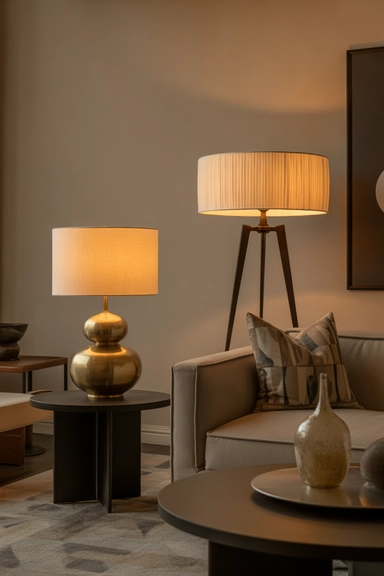
Even, well-distributed lighting is essential in transitional living room decor ideas. Fixtures should provide adequate illumination without creating harsh contrasts or dramatic shadows. Table lamps, floor lamps, and subtle overhead lighting work together to establish a calm environment.
Designs that blend traditional shapes with modern finishes fit naturally into transitional spaces. Warm light temperatures help unify materials and colors. When lighting feels soft and consistent, it supports both function and atmosphere, reinforcing the sense of balance throughout the room.
19. Transitional Living Room Decor Ideas That Age Gracefully
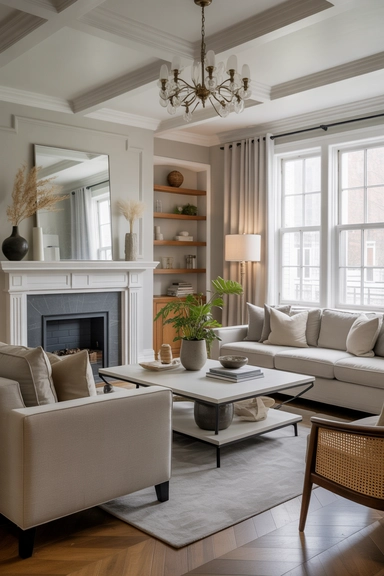
One of the strengths of transitional living room decor ideas is their ability to remain relevant over time. By avoiding strong stylistic extremes, transitional spaces adapt easily as preferences change. Neutral foundations, classic proportions, and restrained detailing prevent the room from feeling tied to a specific trend or era.
Longevity comes from material choices and balance. Durable fabrics, timeless furniture silhouettes, and consistent finishes help the living room evolve naturally. Small updates through accessories or textiles can refresh the space without requiring major changes. When a room is designed to age gracefully, it feels intentional and dependable rather than temporary.
20. Personal Touches That Feel Understated
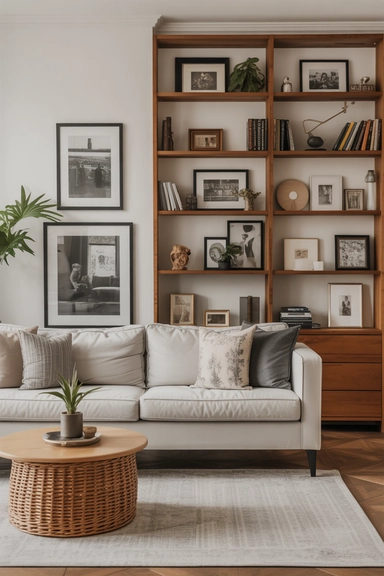
Personal elements are important in transitional living room decor ideas, but they should be introduced with subtlety. Family photos, meaningful objects, or collected pieces work best when displayed thoughtfully rather than grouped densely. These details add character without disrupting the room’s calm structure.
Scale and placement matter. A few well-chosen personal items placed on shelves, consoles, or side tables feel more refined than many small displays. When personal touches are integrated carefully, they enhance warmth while preserving the balanced, polished feel that defines transitional interiors.
21. Cohesive Design That Supports Everyday Living
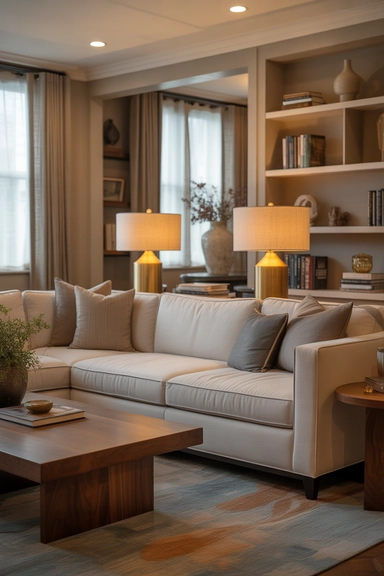
The most successful transitional living room decor ideas focus on cohesion and practicality. Every element, from furniture to lighting, should contribute to a sense of ease and order. The room should feel comfortable for daily use while maintaining visual clarity and balance.
Consistency across materials, colors, and proportions ties the space together. Nothing should feel overly formal or too relaxed. When cohesion guides decision-making, the living room becomes a flexible, welcoming environment that supports both routine living and occasional entertaining without compromise.
Conclusion
Transitional living room decor ideas offer a thoughtful balance between classic comfort and modern simplicity. By focusing on proportion, neutral foundations, and restrained detailing, this style creates spaces that feel calm, adaptable, and easy to live in. Rather than chasing trends, transitional interiors rely on cohesion and practicality to support everyday life. When materials, layouts, and finishes work together with intention, the living room remains welcoming and relevant as tastes and needs evolve over time.