23 Living Room Side Wall Decor Ideas That Feel Balanced
Introduction
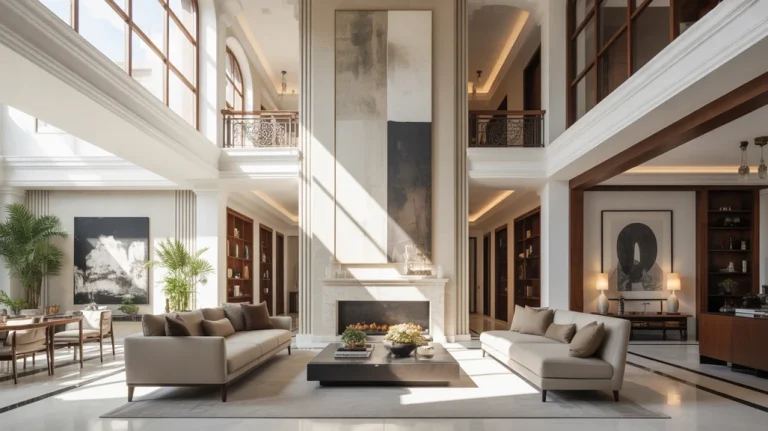
Living room side wall decor ideas require a different approach than focal walls because side walls support the room rather than define it. When treated thoughtfully, they guide movement, soften transitions, and prevent the space from feeling visually lopsided. The goal is balance, not attention—using scale, spacing, and restraint so side walls feel intentional without competing with seating or main focal points. Done well, side wall styling quietly strengthens the entire layout. Many of the most effective approaches overlap with principles used in living room art decor ideas that make your space feel complete, where proportion and placement matter more than decoration itself.
1. Vertical Art Placement That Respects Furniture Scale
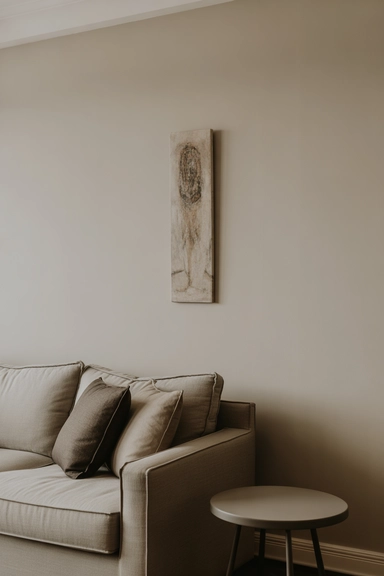
Side walls often sit alongside sofas, chairs, or consoles, making vertical alignment essential. Artwork placed too high or too low can make the wall feel disconnected from the furniture it supports. In balanced living room side wall decor ideas, art should visually relate to the height of nearby seating, creating a clear relationship between wall and floor elements.
Spacing is just as important as placement. Leaving consistent margins around the artwork prevents the wall from feeling crowded or sparse. One vertically oriented piece often works better than multiple smaller items, allowing the wall to contribute quietly to the room’s structure rather than competing for attention.
2. Single Statement Pieces Instead of Multiple Small Decor Items
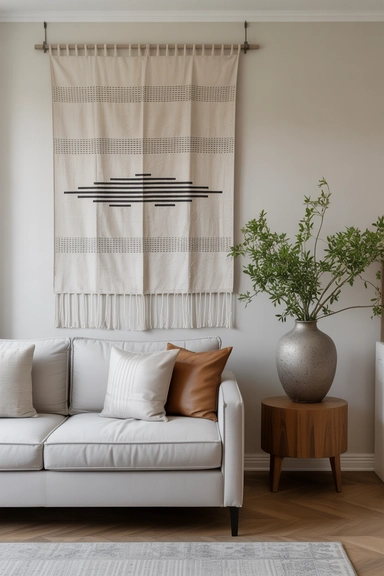
Side walls benefit from simplicity. Multiple small pieces can quickly turn these areas into visual noise, especially in narrow rooms. A single statement piece—art, textile, or sculptural wall element—anchors the wall without overwhelming it. In refined living room side wall decor ideas, less truly delivers more clarity.
The statement should rely on proportion rather than bold color. Neutral tones, subtle texture, or calm imagery help the wall feel grounded. This approach mirrors the restraint often seen in poster wall decor ideas for a stylish living room, where spacing and cohesion define success more than quantity.
3. Using Wall Sconces to Add Depth Without Bulk
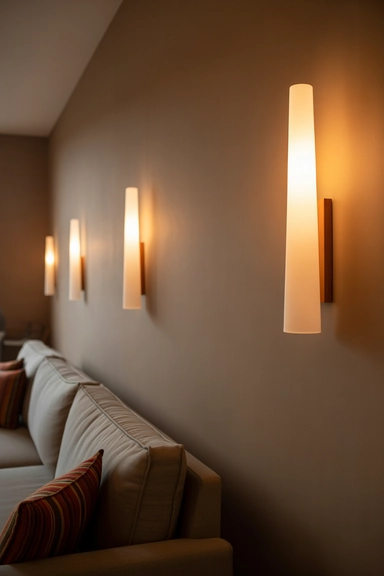
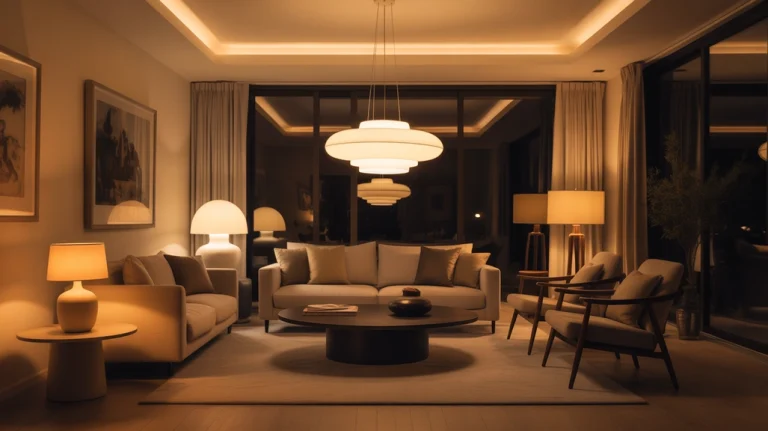
Lighting plays a quiet but powerful role on side walls. Wall sconces introduce depth and warmth without consuming floor space, making them ideal for narrow or transitional areas. In thoughtful living room side wall decor ideas, sconces act as functional accents that enhance atmosphere rather than dominate visually.
Warm, diffused light works best, softening the wall and reducing harsh shadows. Placement should align with furniture edges or architectural lines to maintain order. When used sparingly, wall lighting gives side walls purpose while preserving visual calm.
4. Textured Wall Elements for Subtle Visual Interest
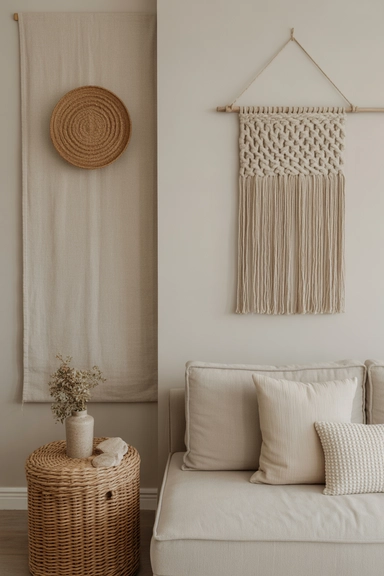
Side walls often feel flat when left bare, but they do not require bold decoration to feel complete. Textured elements—such as fabric hangings, wood panels, or softly sculpted wall pieces—add depth without introducing clutter. In balanced living room side wall decor ideas, texture replaces color contrast.
These elements should feel integrated into the room’s material palette. Avoid overly detailed or busy textures that draw attention away from the main living area. Subtle surface variation keeps the wall interesting while maintaining harmony.
5. Aligning Side Wall Decor With Room Flow
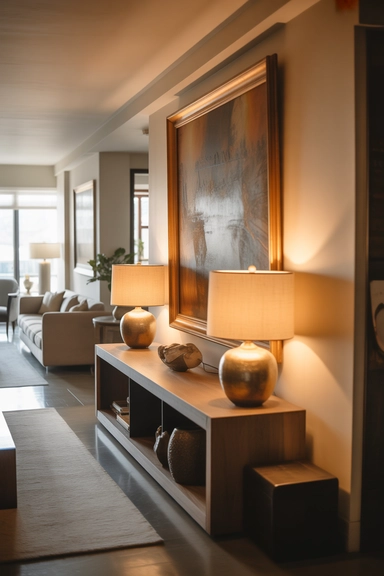
Side walls guide movement through a living room, which means decor placement must respect circulation paths. Art or decor positioned too close to walkways can feel intrusive. In effective living room side wall decor ideas, placement follows the natural flow of the space rather than interrupting it.
Keeping decor centered within available wall space and away from tight passageways maintains comfort. The wall should support movement, not slow it down. This alignment ensures side wall decor enhances balance rather than creating friction in daily use.
6. Wall Mirrors That Expand Side Walls Visually
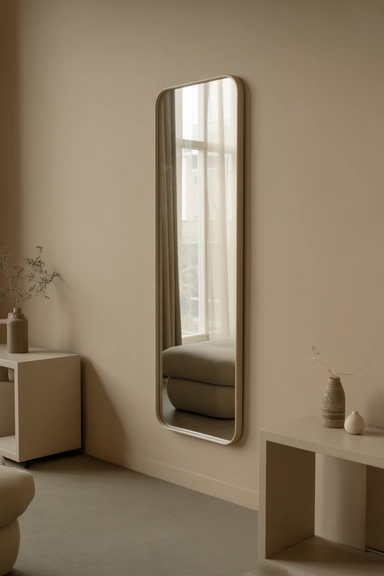
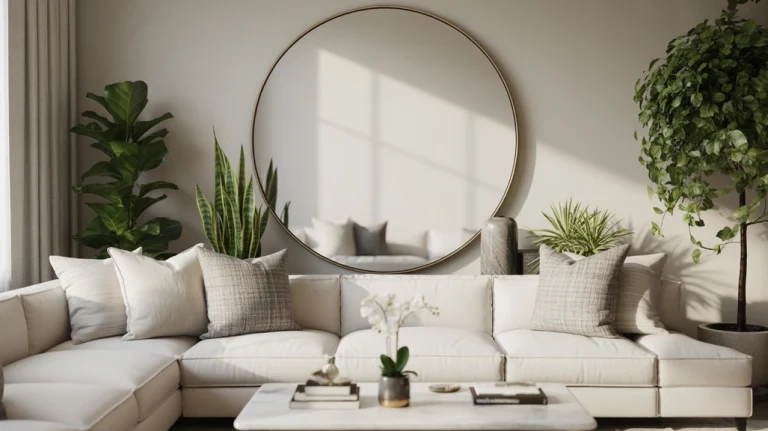
Side walls often sit outside the main focal axis, which can make them feel visually compressed. A well-placed mirror helps correct this by reflecting light and extending depth. In balanced living room side wall decor ideas, mirrors are used to support openness rather than act as decorative statements. Slim frames or softly rounded shapes work best, allowing reflection to remain the primary function.
Placement should relate to nearby furniture height and circulation. Hanging a mirror where it reflects open space or light sources enhances its effect. Avoid oversized or ornate designs that pull focus away from the room’s center. Used thoughtfully, mirrors make side walls feel lighter and more connected to the overall layout.
7. Narrow Shelving That Adds Structure Without Clutter
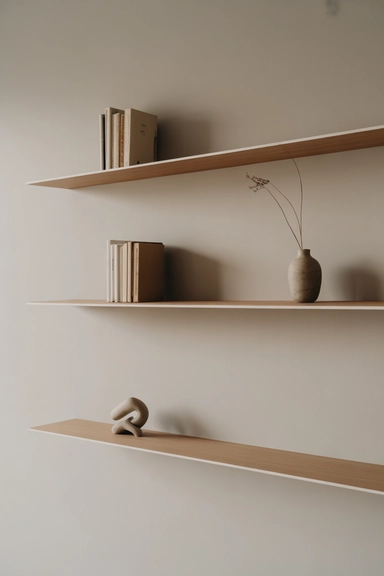
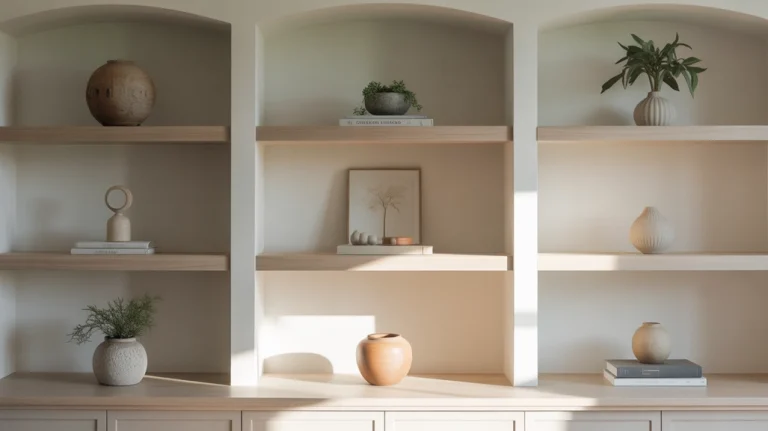
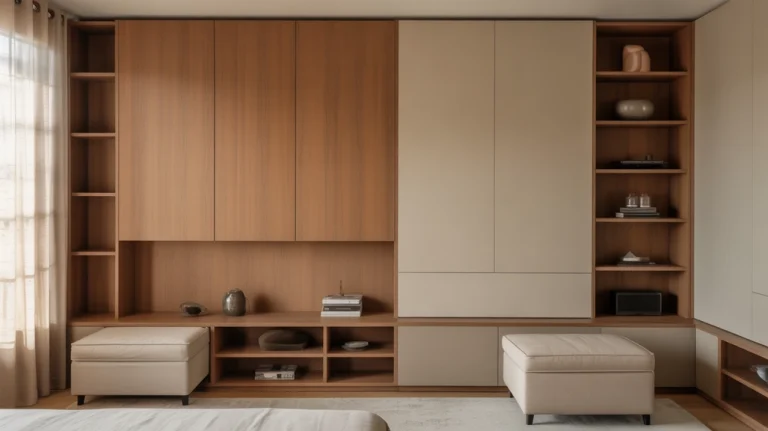
Side walls can benefit from slim shelving that introduces structure while preserving openness. Shallow shelves keep the wall functional without projecting too far into the room. In refined living room side wall decor ideas, shelving is treated as a vertical accent rather than storage.
Styling should remain minimal and intentional. A few spaced objects, books, or a single sculptural piece maintain clarity. Avoid filling every shelf, as negative space is key to balance. This approach works especially well in longer rooms, where side walls need rhythm without visual weight.
8. Soft Wall Panels That Calm Long Side Walls
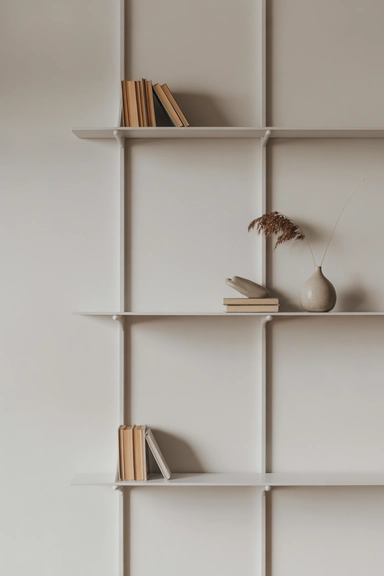
Long side walls can feel visually empty even when furnished well elsewhere. Soft wall panels or upholstered sections help absorb visual tension while adding texture. In thoughtful living room side wall decor ideas, these elements are subtle, tonal, and integrated into the room’s material palette.
Panels should be limited in scale and repetition. One section is often enough to introduce warmth without overwhelming the wall. Neutral fabrics or lightly textured materials maintain calm. This technique works particularly well in modern or minimalist interiors where decoration is intentionally restrained.
9. Framed Art Rows That Maintain Visual Order
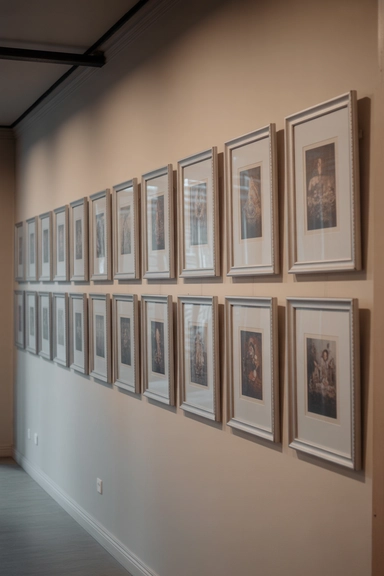
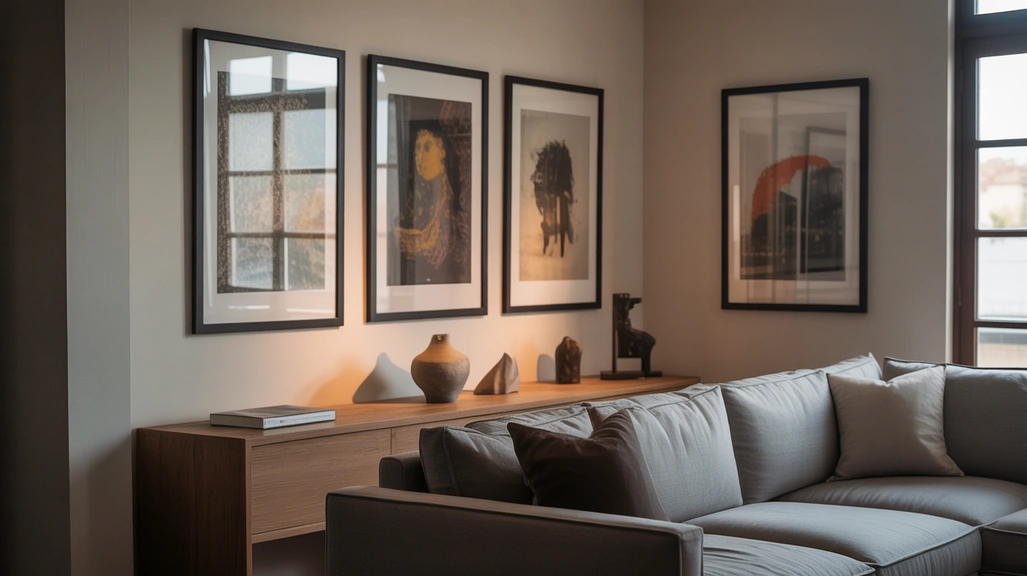
When more than one artwork is needed, linear arrangements maintain order on side walls. A simple row of evenly spaced frames creates rhythm without clutter. In balanced living room side wall decor ideas, consistency in frame size and spacing is more important than variety.
Artwork should remain understated, allowing the wall to support the room rather than compete with focal areas. This approach aligns closely with principles used in living room wall mirror decor ideas for a chic home aesthetic, where alignment and spacing define success more than bold styling.
10. Using Side Walls to Support Seating Zones
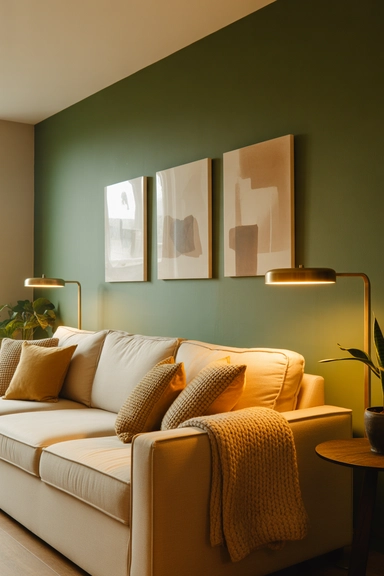
Side walls often sit directly beside seating areas, making them ideal for supportive decor rather than statements. Art, lighting, or texture placed here should reinforce comfort and scale. In effective living room side wall decor ideas, decor aligns with seating height and width, creating a sense of enclosure without heaviness.
Avoid placing decor too high or too dense near seating. Gentle alignment keeps the wall from feeling dominant. When styled correctly, side walls quietly frame seating zones and improve balance across the room rather than drawing attention to themselves.
11. Minimal Wall Decor That Preserves Visual Breathing Room
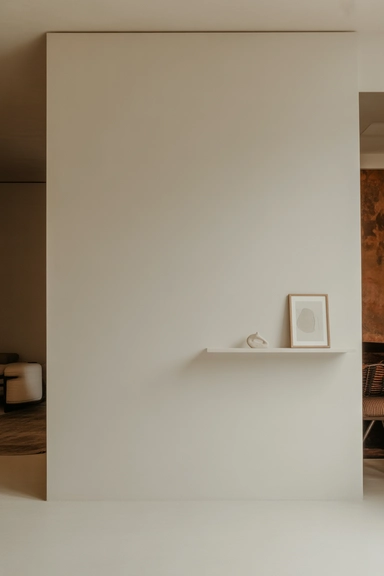
Side walls benefit from restraint more than decoration. Minimal wall decor allows the room to breathe, especially in layouts where furniture and textiles already provide visual richness. In balanced living room side wall decor ideas, a single well-placed element often resolves the wall more effectively than layered styling. The focus remains on proportion and spacing rather than filling the surface.
This approach works particularly well in calm, neutral interiors. Leaving portions of the wall intentionally empty helps adjacent decor stand out more clearly. The result is a side wall that feels complete without feeling worked on, supporting balance across the entire room.
12. Art Leaning or Mounted Low for Relaxed Balance
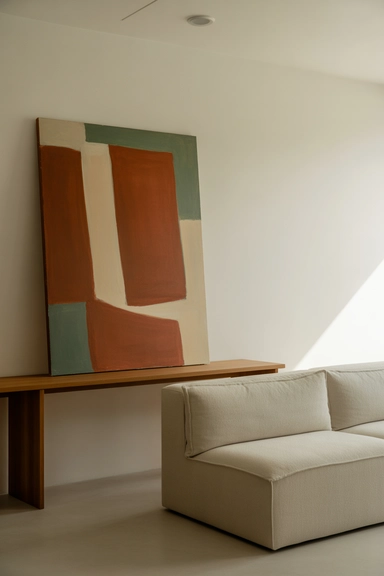
Not all wall decor needs to be centered or hung traditionally. Leaning art or mounting pieces slightly lower creates a relaxed, grounded feeling that suits side walls well. In thoughtful living room side wall decor ideas, lower placement helps maintain connection with nearby furniture and avoids visual tension.
This technique works best with larger pieces that have enough presence to anchor the wall. Keep surrounding decor minimal so the art does not feel crowded. The wall feels intentional and calm, reinforcing balance rather than formality.
13. Using Side Walls to Echo Materials Elsewhere in the Room
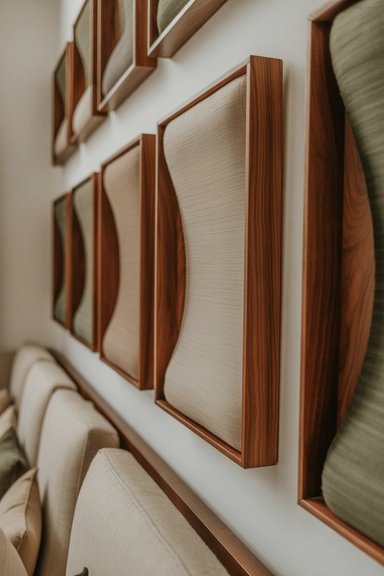
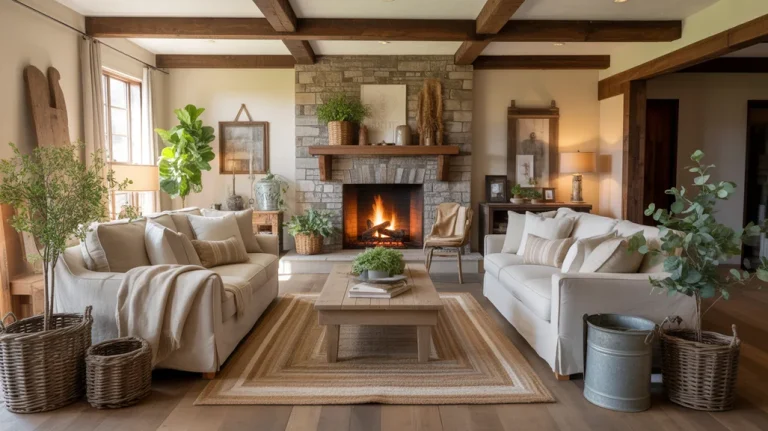
Side walls are ideal for reinforcing the room’s material story. Decor that echoes wood tones, metal finishes, or fabric textures used elsewhere creates cohesion. In refined living room side wall decor ideas, repetition is subtle, helping the room feel unified without appearing styled.
This might include wood-framed art, fabric wall hangings, or simple sculptural pieces. Avoid introducing new materials that feel unrelated. When side walls quietly reflect the room’s existing palette, they strengthen balance without demanding attention.
14. Vertical Elements That Guide the Eye Naturally
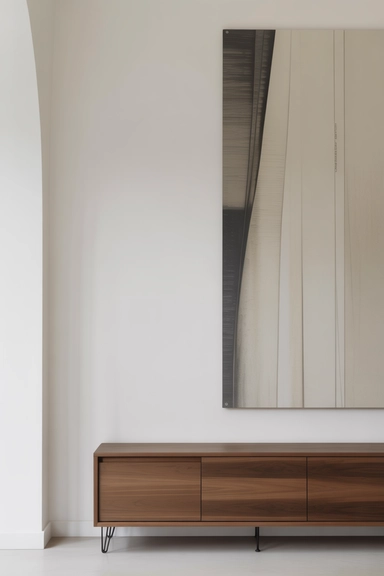
Vertical decor elements help side walls feel intentional, especially in rooms with wide layouts. Tall art, narrow panels, or vertically oriented decor guide the eye upward, correcting horizontal heaviness. In balanced living room side wall decor ideas, verticality is used gently to restore proportion.
Placement should feel aligned rather than forced. Avoid clustering multiple vertical elements together. One clean vertical gesture often does more than several competing pieces. This keeps the wall visually calm while supporting overall flow.
15. Avoiding Over-Decoration in Transitional Side Areas
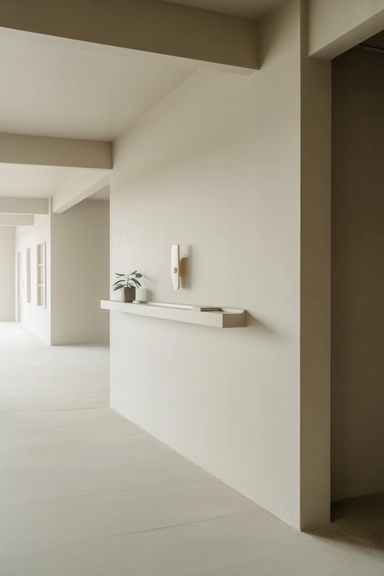
Side walls often sit near walkways or transitions between zones. Over-decorating these areas can interrupt movement and make the room feel tighter. In effective living room side wall decor ideas, transitional walls remain lighter and more open.
Choosing fewer, well-scaled elements ensures comfort and clarity. Leave generous margins around decor and respect circulation paths. When side walls support movement rather than slow it down, they contribute to balance and usability across the living room.
16. Side Wall Decor That Frames Architectural Features
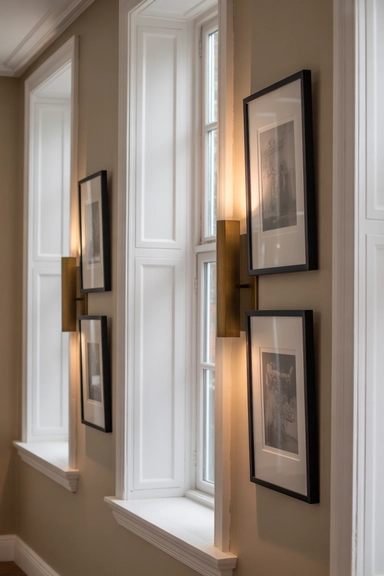
Side walls that sit near windows, doors, or built-in elements benefit from decor that respects the surrounding architecture rather than competing with it. When wall decor aligns with trim lines, window heights, or built-in proportions, the wall feels intentional instead of interrupted. In well-considered living room side wall decor ideas, framing architectural features helps guide the eye naturally and reinforces the room’s structure without adding unnecessary emphasis or clutter.
The key is spacing and alignment. Decor should sit comfortably within architectural boundaries, leaving clear margins around frames and edges. Oversized art or poorly placed lighting can overwhelm these areas and disrupt flow. When side wall decor follows existing lines, it strengthens balance and allows architectural details to remain the primary visual anchor.
17. Neutral Color Palettes That Support Visual Balance
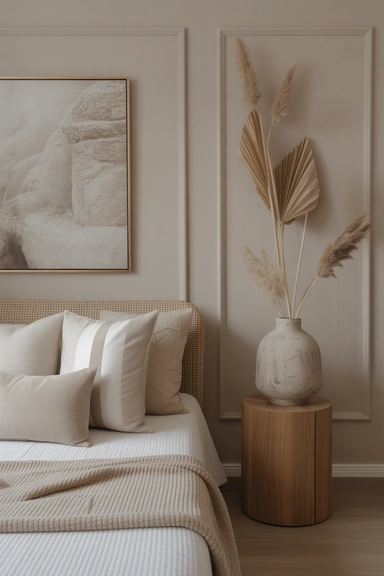
Neutral tones work especially well on side walls because these surfaces are meant to support the room, not dominate it. Soft whites, warm beiges, muted greys, and gentle taupes allow decor to blend seamlessly with surrounding elements. In balanced living room side wall decor ideas, neutrality creates visual calm and prevents side walls from pulling attention away from seating areas or focal points.
Contrast should come through texture or form rather than color intensity. Subtle material variation—such as matte finishes, soft fabrics, or natural wood frames—adds depth without visual noise. This approach keeps the side wall cohesive and timeless, supporting the room’s overall balance rather than competing for attention.
18. Symmetry Used Sparingly for Controlled Order
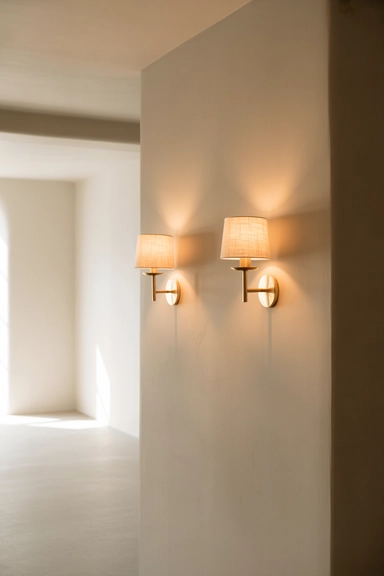
Symmetry can introduce order on side walls, but it must be applied with restraint. Paired sconces, matching art pieces, or evenly spaced elements help calm visually busy rooms when used intentionally. In thoughtful living room side wall decor ideas, symmetry acts as a stabilizer rather than a design statement, bringing structure without rigidity.
Overusing symmetry can make a space feel formal or static, especially in casual living rooms. Limiting symmetrical arrangements to smaller sections of the wall preserves comfort and flow. When used selectively, symmetry enhances balance while allowing the room to remain relaxed and inviting.
19. Side Wall Decor That Supports Long Room Layouts
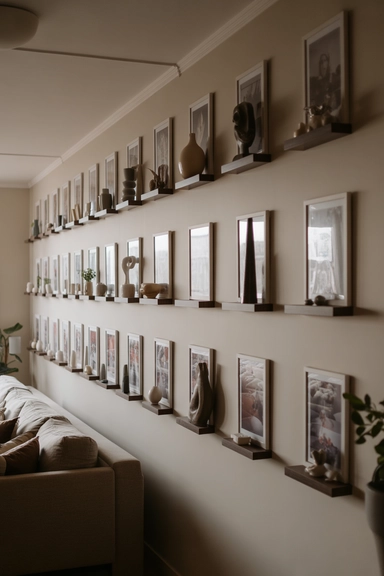
In long living rooms, side walls play a critical role in guiding the eye through the space. Without visual rhythm, these walls can feel endless or disconnected. In effective living room side wall decor ideas, decor is distributed thoughtfully along the wall to create pacing rather than concentration in one area.
Repeating similar elements—such as artwork, lighting, or subtle textures—at measured intervals helps maintain cohesion. Spacing matters more than quantity. When side wall decor supports the room’s length with consistent rhythm, the layout feels intentional and easier to visually navigate.
20. Using Lighting as Side Wall Decoration
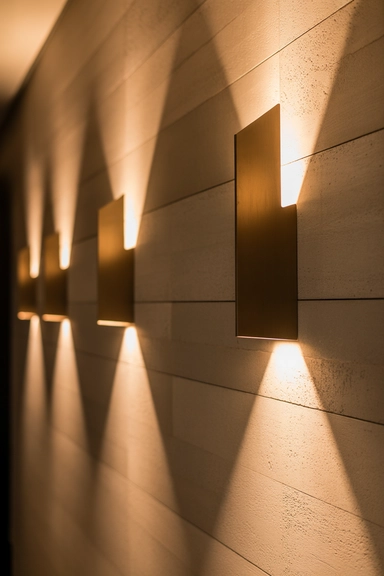
Lighting can serve as both function and decor when integrated into side walls with intention. Wall sconces or subtle accent lighting add depth and warmth without occupying floor space. In refined living room side wall decor ideas, lighting enhances atmosphere quietly, reinforcing balance rather than acting as a focal point.
Warm light temperatures work best, especially near seating or transitional areas. Fixtures should align with furniture height and circulation paths to maintain comfort. When used thoughtfully, lighting becomes part of the wall’s composition, add
21. Allowing Artwork to Breathe With Proper Spacing
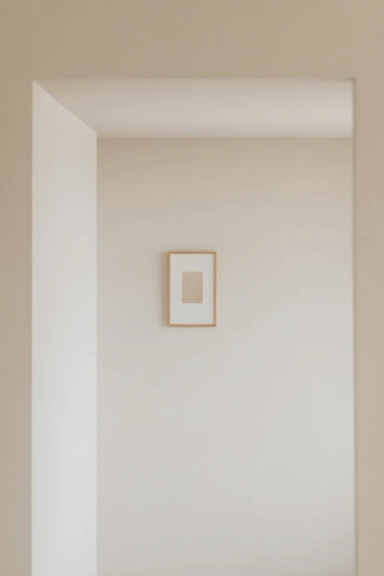
Spacing is one of the most overlooked aspects of side wall styling, yet it has the greatest impact on balance. When artwork is crowded, the wall feels busy and visually tense. In well-executed living room side wall decor ideas, space around each piece is treated as part of the composition. Proper margins allow the artwork to feel intentional and legible rather than decorative noise competing for attention.
Generous spacing also helps the wall support the room instead of dominating it. One well-placed piece with room to breathe often feels more complete than several tightly grouped frames. This restraint encourages calm and clarity, allowing the eye to rest as it moves through the space. Balanced spacing ensures the side wall contributes quietly to the overall harmony of the living room.
22. Keeping Side Walls Secondary to Focal Areas
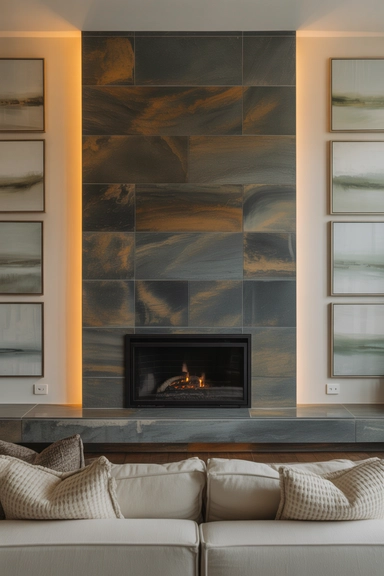
Side walls should always play a supporting role in the living room hierarchy. When these walls compete with focal areas such as fireplaces, feature walls, or large windows, the space begins to feel visually fragmented. In thoughtful living room side wall decor ideas, decor choices remain subtle in scale, tone, and placement so attention stays where it belongs.
This does not mean leaving side walls empty, but styling them with restraint and intention. Softer colors, simpler forms, and controlled spacing help maintain visual order. When side walls stay secondary, they reinforce balance rather than disrupt it, allowing the room’s primary elements to feel stronger and more cohesive.
23. Knowing When to Stop Decorating the Side Wall
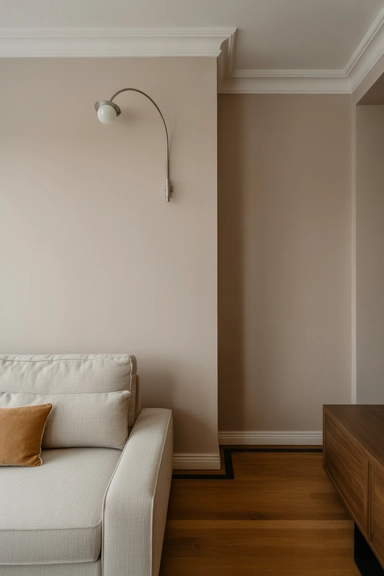
One of the clearest signs of strong design judgment is knowing when a wall is finished. Over-decorating side walls often stems from the urge to fill space rather than resolve it. In refined living room side wall decor ideas, stopping at the right moment preserves balance and prevents visual fatigue.
If a wall supports flow, scale, and comfort, additional decor is unnecessary. Leaving space intentionally can be more powerful than adding another object. This discipline allows the living room to feel calm, usable, and visually resolved. When restraint guides decisions, the entire space benefits from clarity and long-term appeal.
Conclusion
Living room side wall decor ideas are most effective when they support the space rather than compete within it. Through thoughtful placement, balanced spacing, and restrained styling, side walls help guide movement and reinforce visual harmony across the room. Whether using art, lighting, texture, or intentional openness, these walls shape how comfortable and cohesive the living room feels. When side walls are treated with clarity and purpose, they become quiet anchors that enhance flow, maintain balance, and allow the entire space to feel composed, calm, and thoughtfully resolved.