19 Living Room Storage Ideas for a Calm, Organized Home
Introduction
Living room storage ideas are most effective when they focus on reducing visual noise rather than hiding clutter at any cost. Many living rooms feel restless not because storage is missing, but because storage is poorly planned or overly visible. When items compete for attention, even well-furnished spaces feel busy and unfinished. A calm, organized living room relies on storage that supports daily habits while staying visually quiet. When storage solutions are integrated into layout, furniture choice, and circulation, the room feels lighter, more intentional, and easier to maintain over time—an approach that aligns closely with Living Room Focal Point Ideas.
1. Prioritizing Closed Storage to Reduce Visual Clutter
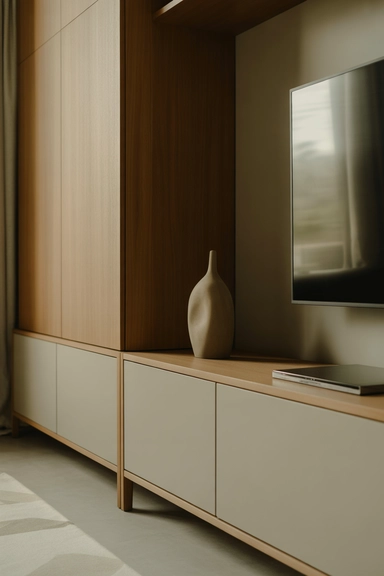
Closed storage plays a critical role in creating a calm living room because it removes visual distractions from the main sightlines. Open shelving often looks appealing in styled photos, but in everyday use it quickly becomes cluttered. Storage with doors, drawers, or panels allows daily items to exist without constantly demanding attention.
Closed storage works best when it aligns with furniture scale and wall proportions. Low-profile cabinets, media units with concealed compartments, or sideboards with clean fronts help maintain visual balance. When clutter is hidden thoughtfully, the room feels calmer and more cohesive, making it easier to relax without constant visual interruption.
2. Using Storage Furniture Instead of Adding Extra Pieces
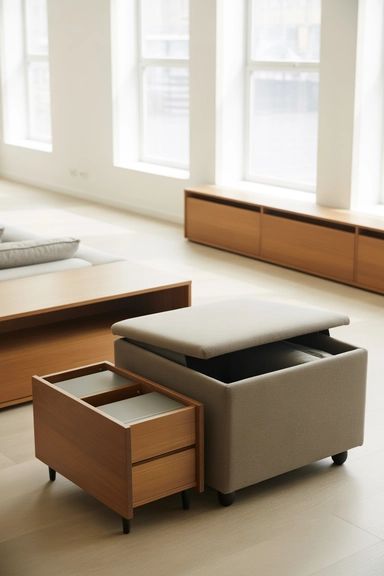
One of the smartest living room storage ideas is choosing furniture that already includes storage rather than adding standalone storage units later. Coffee tables with drawers, benches with hidden compartments, or ottomans with lift-top storage reduce the total number of items in the room.
This approach keeps the layout efficient and prevents overcrowding. Storage furniture should look intentional, not bulky or utilitarian. When storage is built into pieces that already serve a purpose, the room stays organized without feeling overfurnished. This balance supports calm by reducing both clutter and excess furniture.
3. Keeping Storage Low to Preserve an Open Feel
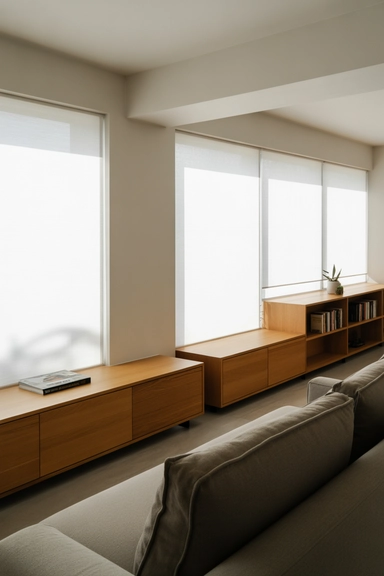
Low storage helps maintain openness and visual flow in a living room. Tall cabinets or heavy shelving units can make a space feel boxed in, especially when placed along major walls. Living room storage ideas that emphasize low-profile units keep sightlines clear and prevent the room from feeling top-heavy.
Media consoles, low credenzas, and storage benches work well because they anchor the room without dominating it. When storage stays below eye level, walls remain visually lighter and the room feels more spacious. This subtle choice contributes significantly to a calm, organized atmosphere.
4. Integrating Storage With the Room’s Layout
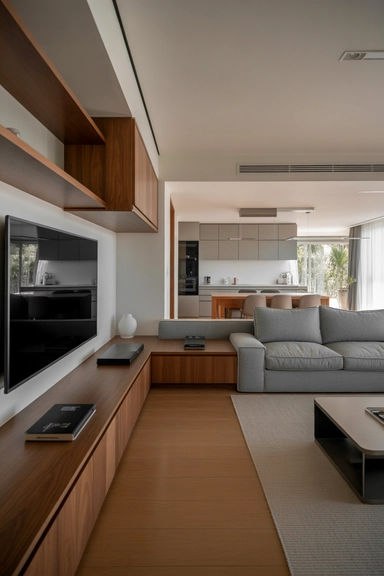
Storage should respond to how the living room is actually used rather than being added wherever space allows. When storage aligns with seating areas, walkways, and focal points, it feels purposeful instead of intrusive. Poorly placed storage interrupts flow and creates awkward visual breaks.
Placing storage near where items are used reduces clutter buildup elsewhere. For example, media storage near seating or blanket storage near sofas supports daily habits. When storage is integrated into the layout, organization becomes easier to maintain and the room feels naturally orderly.
5. Using Vertical Storage Without Overloading the Walls
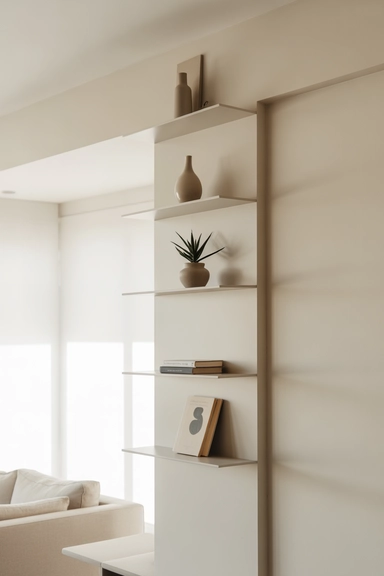
Vertical storage can be highly effective in living room storage ideas when it is used selectively and proportionately. Wall-mounted shelves or tall storage units help reclaim floor space, but overuse quickly makes the room feel crowded and visually noisy. The goal is to extend storage upward without filling every vertical surface or overwhelming the room’s scale.
Vertical storage works best when it is visually light, such as open-backed shelving or slim units with spacing between sections. Keeping heavier items lower and lighter objects higher maintains balance. When vertical storage supports organization without dominating sightlines, the living room feels taller, calmer, and more structured.
6. Creating Storage Zones Based on Daily Use
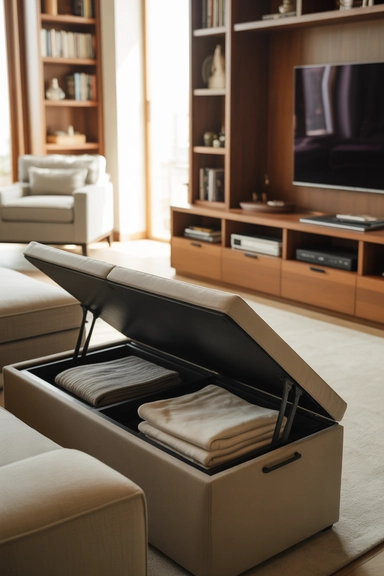
A calm living room depends on storage that reflects real routines. Living room storage ideas are most effective when they are organized into zones based on how items are used throughout the day. Media accessories, books, throws, and everyday essentials should each have a designated area close to where they are needed.
This zoning reduces clutter migration, where items drift across the room and pile up on surfaces. When storage supports habits rather than aesthetics alone, maintenance becomes easier. The room stays organized with less effort, which is essential for maintaining a calm atmosphere over time.
7. Hiding Storage Within Plain Sight
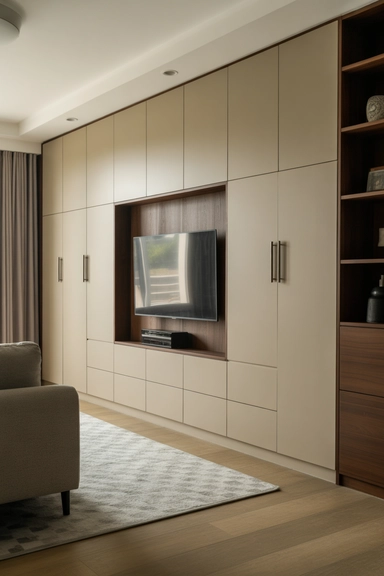
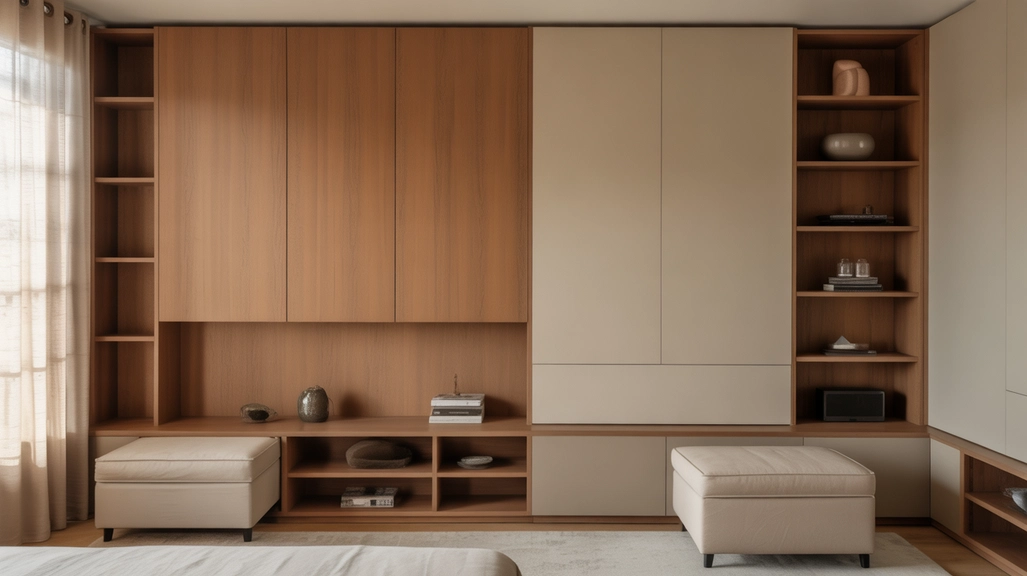
Some of the best living room storage ideas are the least noticeable. Storage that blends into the room through matching finishes, flush panels, or neutral tones feels quieter than pieces designed to stand out. When storage visually recedes, attention shifts to the room’s layout and comfort rather than what is being stored.
Built-in cabinets, wall panels with hidden compartments, or furniture that matches surrounding finishes help achieve this effect. The room feels less busy because storage does not compete for attention. This subtlety contributes strongly to a calm and organized environment.
8. Using Baskets and Soft Containers With Intention
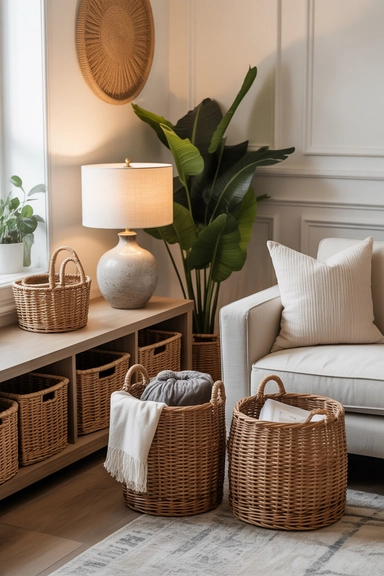
Baskets and soft containers are often used casually, but they work best when chosen and placed deliberately. Living room storage ideas that include baskets should treat them as structured storage rather than decorative catch-alls. Size, material, and placement all affect how calm the room feels.
Uniform baskets placed consistently under consoles or beside seating create order rather than clutter. Soft containers are especially useful for items used frequently, such as blankets or pillows. When baskets are used with restraint and consistency, they add warmth without visual chaos.
9. Reducing Surface Storage to Maintain Visual Calm
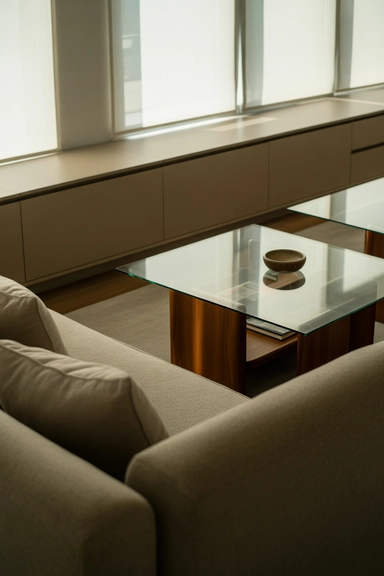
Surfaces such as coffee tables, side tables, and consoles easily become cluttered when storage is not planned carefully. Living room storage ideas that protect surfaces help maintain visual calm. The fewer items left out, the quieter the room feels.
Storage should absorb what would otherwise sit on display. Drawers, shelves, and cabinets prevent everyday items from occupying visible surfaces. When surfaces remain mostly clear, the room feels intentional and restful rather than busy or unfinished.
10. Editing Storage Before Adding More
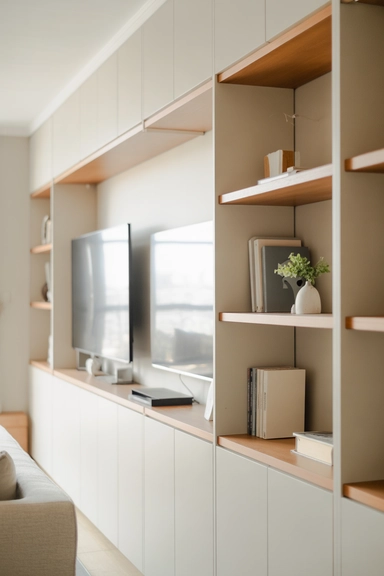
One of the most overlooked living room storage ideas is editing what is already stored. Adding more storage without reducing excess items often leads to fuller cabinets rather than calmer rooms. Regularly reassessing what truly belongs in the living room helps prevent clutter accumulation.
Removing unused or misplaced items frees up storage space and simplifies organization. This process clarifies what storage is actually needed. When storage supports only what serves the room’s function, the living room feels lighter, more organized, and genuinely calm.
11. Choosing Storage That Matches the Room’s Visual Weight
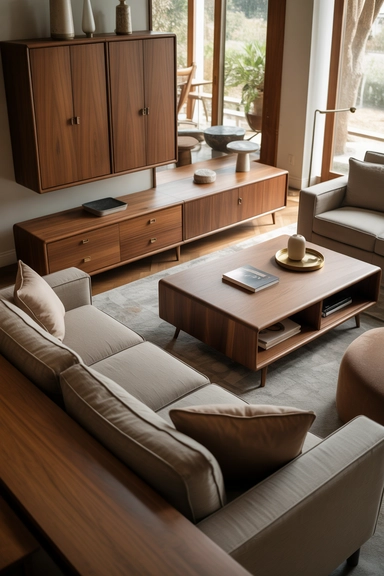
Storage pieces should carry the same visual weight as the rest of the living room furniture. Heavy, bulky storage in an otherwise light room creates imbalance and makes the space feel crowded. Living room storage ideas that support calm focus on proportion, ensuring storage feels integrated rather than added on.
Low-profile cabinets, streamlined shelving, and furniture with simple lines maintain consistency. When storage matches the scale and tone of surrounding elements, it blends into the room naturally. This harmony reduces visual tension and helps the living room feel settled and cohesive instead of overloaded.
12. Using Built-In Storage to Create Long-Term Order
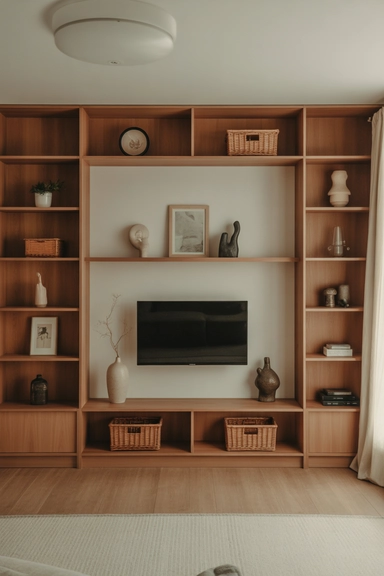
Built-in storage provides one of the most stable solutions for maintaining a calm living room. Unlike movable units, built-ins feel permanent and intentional, which reduces visual clutter and prevents constant rearranging. Living room storage ideas that include built-ins help anchor the room and create a sense of structure.
Built-ins work best when they are designed around the room’s proportions and daily use. Closed sections hide clutter, while limited open areas allow for controlled display. When built-in storage is thoughtfully planned, it supports long-term organization and keeps the room feeling orderly over time.
13. Keeping Storage Close to Where Items Are Used
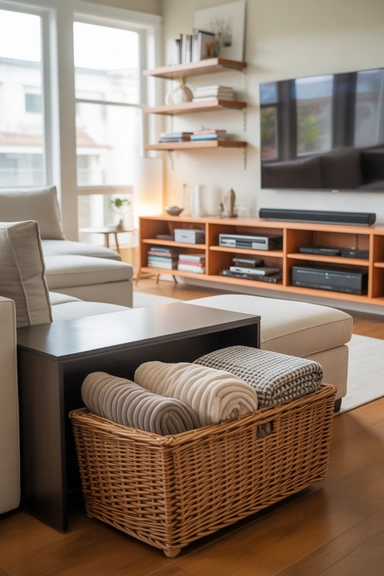
Storage is most effective when it supports behavior rather than forcing new habits. Living room storage ideas should place storage near where items are actually used, such as blankets near seating or media storage close to viewing areas. This proximity reduces clutter because items are more likely to be returned to their place.
When storage is inconveniently located, items end up on surfaces or floors instead. Aligning storage with usage patterns makes organization intuitive. The room stays calmer because clutter does not spread unnecessarily across the space.
14. Avoiding Decorative Storage That Adds Visual Noise
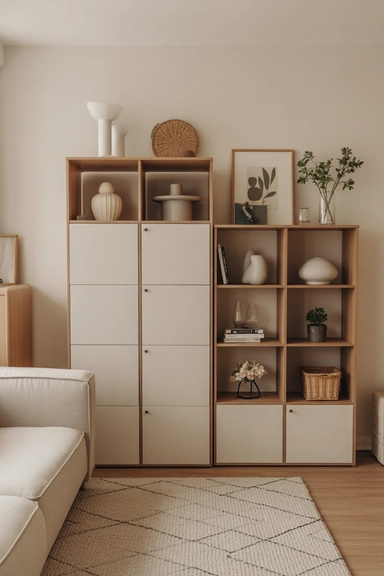
Not all storage contributes to calm. Decorative storage pieces that demand attention through bold colors, patterns, or shapes often add visual noise rather than reduce it. Living room storage ideas focused on calm prioritize subtlety over statement.
Storage should quietly support the room rather than compete with focal points. Neutral finishes, simple hardware, and minimal detailing allow storage to recede visually. When storage does not call attention to itself, the living room feels more peaceful and less visually busy.
15. Using Symmetry to Make Storage Feel Intentional
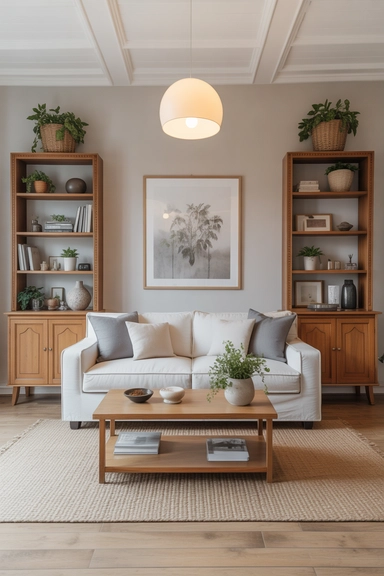
Symmetry can make storage feel more deliberate and organized. Placing matching cabinets, shelves, or storage elements on either side of a focal point creates balance and reduces visual chaos. Living room storage ideas that use symmetry help the room feel structured and composed.
This does not require perfect mirroring, but a sense of balance matters. Symmetrical storage arrangements guide the eye and reinforce order. When storage feels evenly distributed, the room appears calmer and more thoughtfully designed.
16. Separating Display From Storage Functions
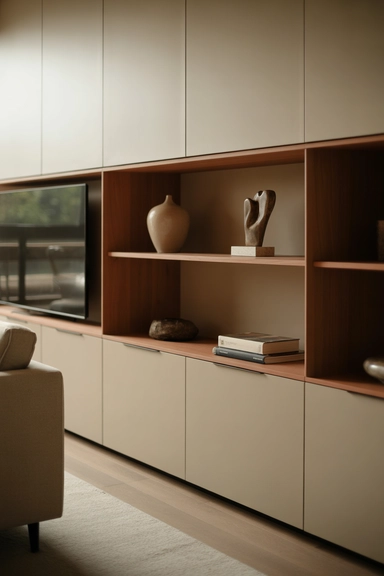
A common cause of visual clutter is mixing display and storage without clear boundaries. Living room storage ideas that succeed separate what is meant to be seen from what is meant to be stored. Display areas should remain curated, while storage areas handle everyday items.
This separation prevents overfilling shelves and surfaces. When display is intentional and storage is concealed, the room feels organized rather than cluttered. Clear roles for each area help maintain calm and prevent visual overload.
17. Choosing Storage That Can Adapt Over Time
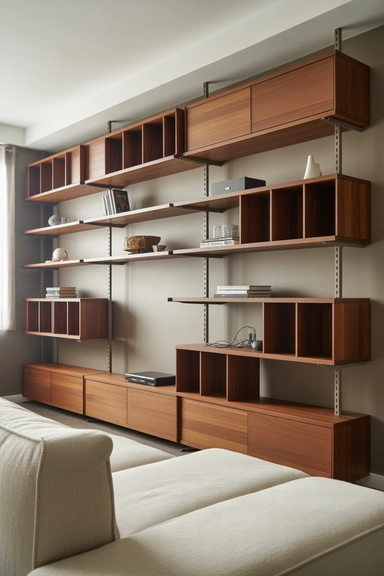
A calm living room is easier to maintain when storage can adapt to changing needs. Living room storage ideas should consider flexibility, such as adjustable shelves or modular units that can evolve with the household. Rigid storage often becomes inefficient as routines change.
Adaptable storage prevents clutter from spilling into visible areas. When storage can adjust without requiring replacement, organization stays consistent. This adaptability supports long-term calm by reducing the need for constant updates or additions.
18. Letting Empty Space Be Part of the Storage Plan
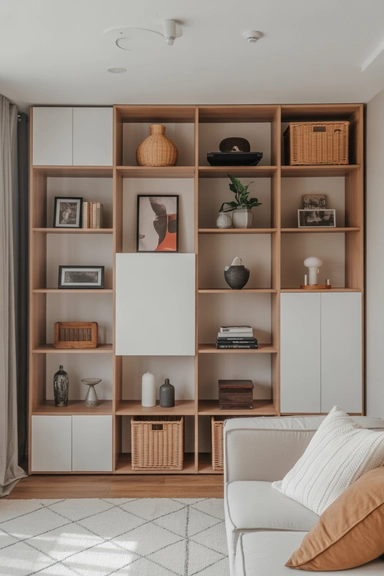
Not every storage area needs to be filled to capacity. Leaving some storage partially empty allows flexibility and prevents visual and physical overcrowding. Living room storage ideas that include breathing room feel less stressful and easier to manage.
Empty space within cabinets or shelves provides room for temporary items without creating clutter elsewhere. This restraint helps maintain order and keeps the living room feeling light and calm rather than tightly packed.
19. Designing Storage to Support Calm, Not Perfection
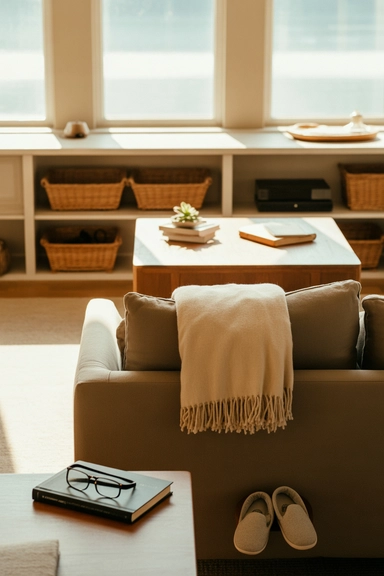
The goal of living room storage ideas is not perfection, but ease. Storage should support a calm environment by making organization achievable, not rigid. Overly complex systems often fail because they are difficult to maintain.
Simple, intuitive storage encourages consistent use. When storage works with daily life rather than against it, the living room stays organized with minimal effort. This ease is what ultimately creates a calm, livable home.
Conclusion
Living room storage ideas that create a calm, organized home focus on clarity, proportion, and behavior rather than quantity. Storage works best when it supports daily routines, stays visually quiet, and integrates seamlessly into the room’s layout. By prioritizing thoughtful placement, restrained design, and adaptability, storage becomes a tool for comfort rather than clutter. When organization feels natural instead of forced, the living room remains calm, functional, and easy to live in over time.