21 Pink Living Room Decor Ideas That Work in Both Modern and Classic Spaces
Introduction
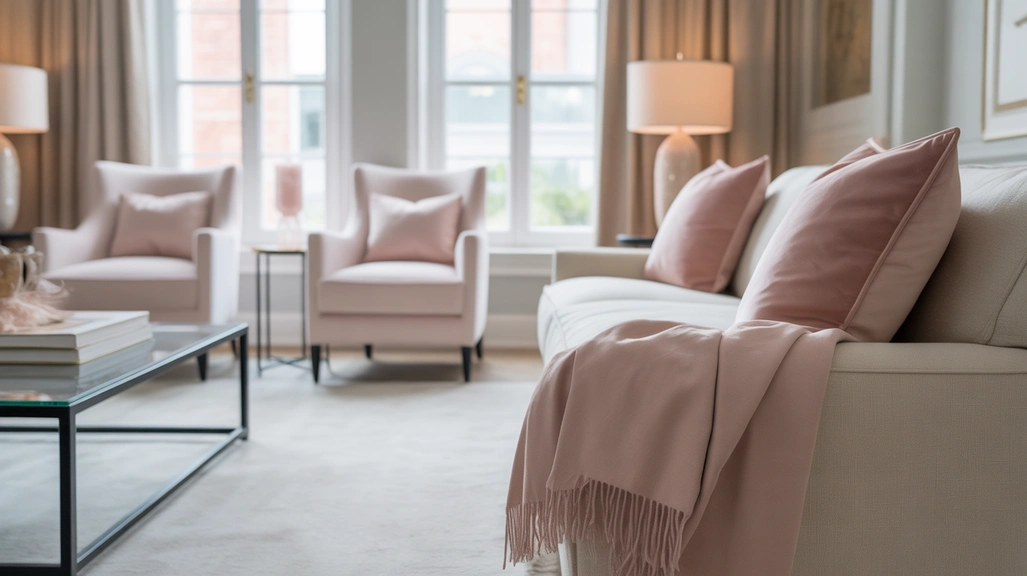
Pink living room decor ideas have evolved far beyond sweet or overly feminine stereotypes. When used thoughtfully, pink can feel refined, grounding, and surprisingly versatile across both modern and classic interiors. Softer pinks can warm up cool contemporary spaces, much like many well-balanced Cozy Fall Living Room Decor Ideas, while deeper or muted pinks blend effortlessly into traditional settings. The key lies in tone, placement, and balance. Rather than dominating the room, pink works best as a supporting color that enhances light, texture, and proportion. Used with intention, pink adds depth and character while allowing the living room to remain timeless and comfortable.
1. Soft Blush Accents That Add Warmth Without Stealing Focus
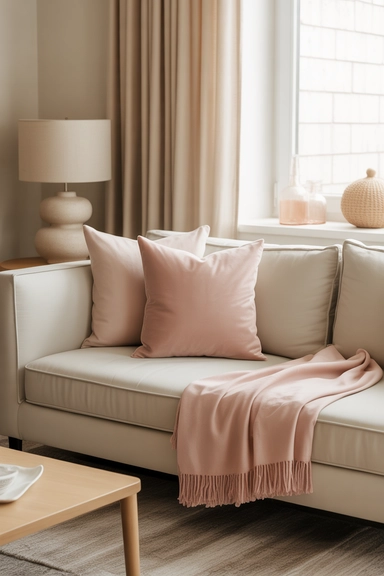
Soft blush tones are one of the safest ways to introduce pink into a living room. These lighter shades add warmth without drawing too much attention, making them ideal for both modern and classic spaces. Blush cushions, throws, or subtle upholstery soften neutral furniture and prevent the room from feeling flat or cold. Because the tone is gentle, it blends easily with beige, gray, or cream palettes.
To keep the look balanced, limit blush accents to a few key areas. Spread them across the seating zone rather than clustering everything together. Mixing blush with natural textures like linen or wool helps the color feel organic rather than decorative. This approach keeps the room calm, layered, and visually cohesive.
2. Dusty Pink Walls That Feel Timeless and Refined
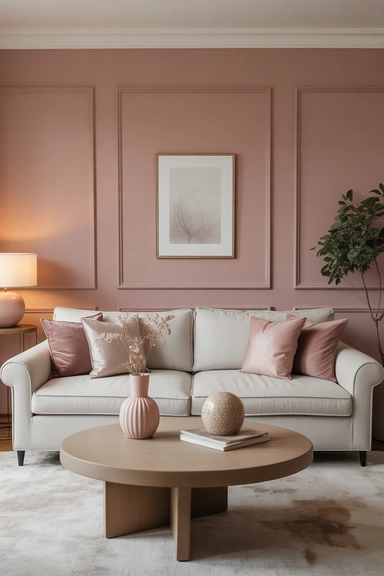
Dusty pink walls offer a sophisticated alternative to stark white or beige. This muted shade works well in classic spaces with architectural detail, as well as in modern interiors that need warmth. Rather than feeling bold, dusty pink creates a soft backdrop that enhances light and highlights furniture without competing with it.
Restraint is essential when using pink on walls. Avoid pairing dusty pink with overly bright accents or busy patterns. Neutral furniture, warm wood tones, and simple artwork allow the wall color to breathe. When used thoughtfully, dusty pink walls feel elegant, grounded, and surprisingly versatile.
3. Pink Upholstered Furniture Used as a Subtle Statement
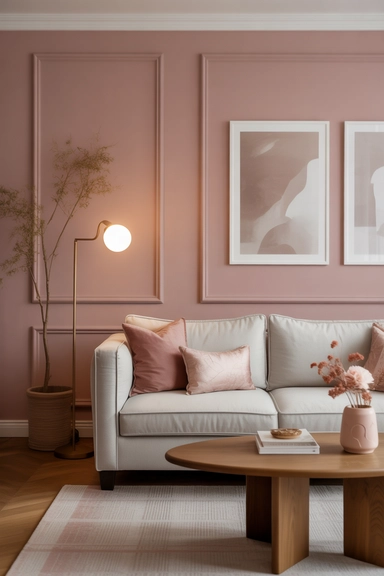
Pink upholstered furniture can work beautifully when the tone and silhouette are chosen carefully. Softer pinks on classic sofas or armchairs feel timeless, especially when paired with traditional shapes and neutral surroundings. In modern spaces, clean-lined furniture in muted pink adds warmth without disrupting minimal design.
Balance the furniture with neutral cushions, rugs, and surrounding decor. Avoid pairing pink upholstery with too many competing colors, which can overwhelm the space. When styled simply, pink furniture feels intentional and adds character without becoming the room’s sole focus.
4. Pink Textiles That Bridge Modern and Classic Styles
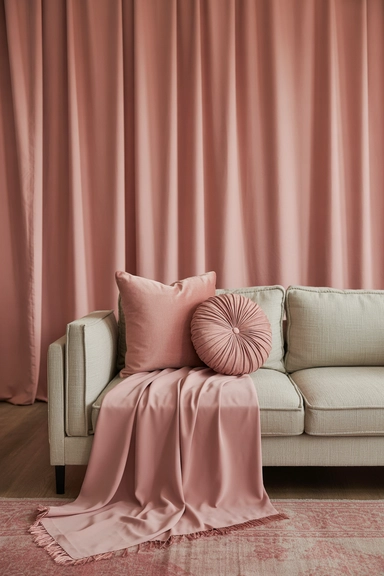
Textiles are one of the easiest ways to make pink feel adaptable across styles. Pink cushions, curtains, or rugs can soften modern interiors while complementing traditional ones. The key is choosing fabrics and patterns that align with the room’s overall character, such as subtle weaves for modern spaces or classic motifs for traditional settings.
Distribute pink textiles evenly rather than concentrating them in one area. Layering different textures helps prevent the color from feeling flat. Keeping the rest of the palette neutral ensures pink enhances comfort and warmth without overpowering the room’s style.
5. Pink Artwork That Adds Color Without Commitment
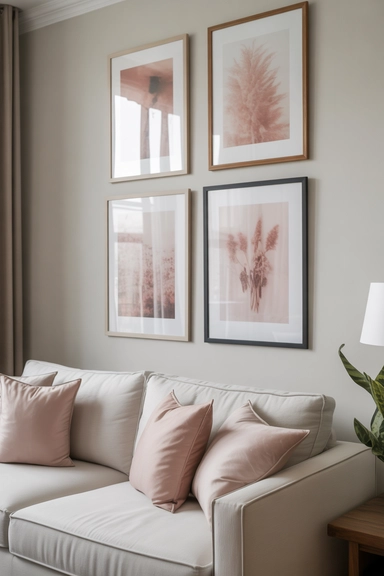
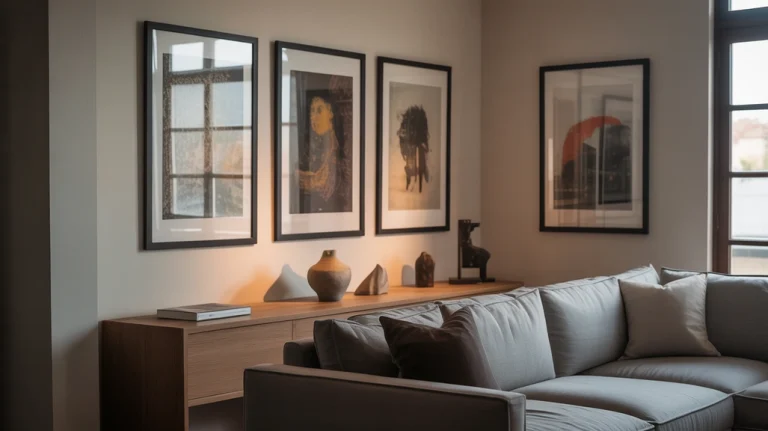
Artwork is a refined way to introduce pink without permanent changes. Abstract art, florals, or soft-toned prints allow pink to appear intentional and curated. This works especially well in living rooms where furniture and walls remain neutral. Art gives pink context, making it feel sophisticated rather than decorative.
Choose pieces with balanced compositions and restrained color use. Simple frames in wood, black, or white help ground the artwork. Hanging pieces at eye level and limiting the number of artworks keeps the room visually calm. Pink used this way adds depth without dominating the space.
6. Muted Pink Paired With Neutrals for Long-Term Balance
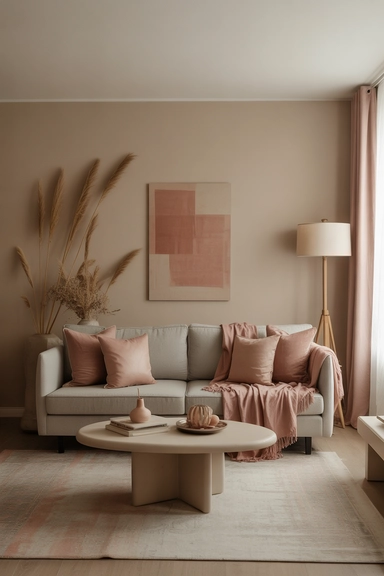
Muted pink works best when it is layered against strong neutral foundations. Shades like warm beige, soft gray, ivory, or taupe allow pink to appear calm rather than decorative. In both modern and classic living rooms, this pairing keeps the space feeling timeless instead of trend-driven. Pink becomes a soft accent that enhances warmth without taking visual control.
To maintain balance, let neutrals dominate larger surfaces such as walls, sofas, and rugs. Pink should appear through smaller elements like cushions, throws, or accent furniture. Natural materials such as wood or stone help ground the palette further. This combination ensures the room feels relaxed, cohesive, and easy to live with over time.
7. Pink Accent Chairs That Add Character Without Overpowering
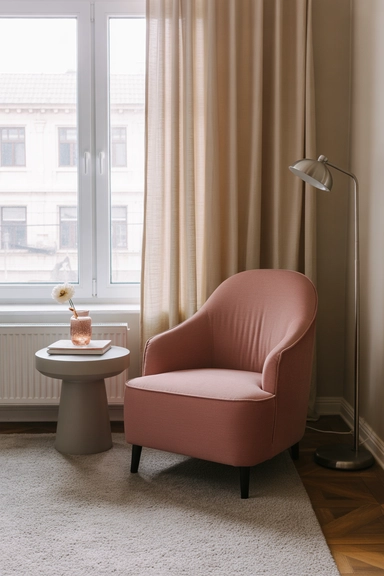
A pink accent chair can introduce personality while keeping the rest of the living room calm. Softer pink tones work especially well on classic silhouettes or clean modern shapes. Positioned near a window or reading corner, the chair becomes a subtle focal point rather than a bold statement. This approach suits both traditional layouts and contemporary interiors.
Surround the chair with neutral elements to keep it grounded. A simple side table, neutral rug, and warm lighting help integrate the piece naturally. Avoid pairing multiple pink furniture items together, as this can feel forced. One carefully placed accent chair is enough to add warmth and visual interest.
8. Pink Rugs That Gently Anchor the Seating Area
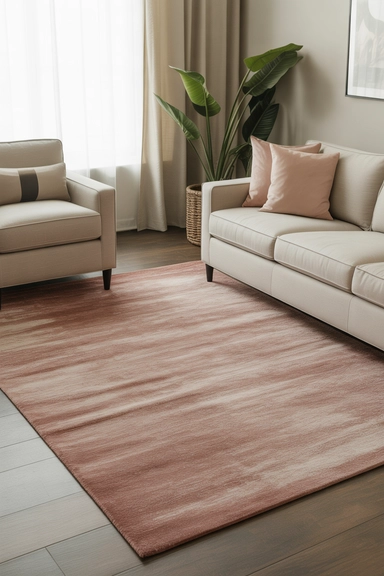
Pink rugs offer a quiet way to introduce color while anchoring the seating layout. Muted or patterned pink rugs soften the room without pulling attention away from furniture. This works well in living rooms with neutral floors that feel visually cold or unfinished. The color stays low and supportive rather than dominant.
Scale is important when choosing a rug. It should extend beneath the front legs of sofas and chairs to visually connect the seating area. Pair the rug with simple upholstery and restrained decor to avoid visual overload. A well-sized pink rug enhances comfort and balance without overwhelming the room.
9. Pink Curtains That Soften Light in Both Styles
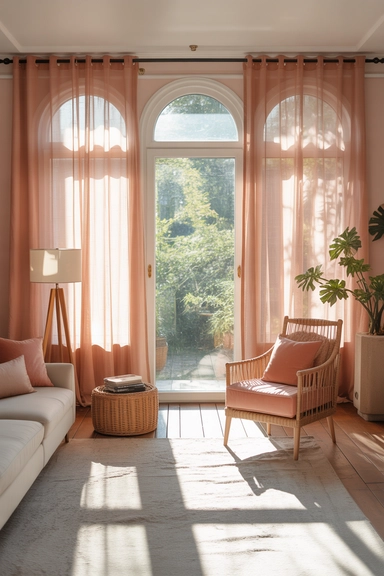
Pink curtains can subtly change how light behaves in a living room. Sheer or lightly textured pink fabrics filter daylight and add warmth without darkening the space. This approach works well in modern rooms that feel sharp as well as classic rooms that need softness. The result is a brighter, more welcoming atmosphere.
Avoid heavy or overly saturated pink curtains, which can feel dramatic or dated. Keep curtain hardware neutral so the focus stays on the fabric. Repeating pink lightly elsewhere in the room helps maintain cohesion. Used thoughtfully, pink curtains enhance light and comfort without drawing too much attention.
10. Pink Decor Accents Used Sparingly for Visual Cohesion
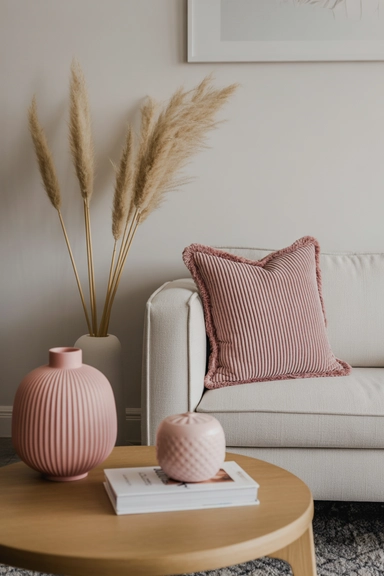
Small pink decor accents help tie the room together without clutter. Items like vases, books, or subtle decorative objects introduce color in a controlled way. This works especially well in living rooms where pink appears in multiple small touches rather than one large feature.
Limit the number of accents to avoid visual noise. Two or three pieces placed intentionally are more effective than many scattered items. Pair pink decor with neutral or natural materials to keep the look grounded. This approach ensures pink supports the room’s overall balance and style.
11. Deeper Pink Tones That Feel Rich Rather Than Sweet
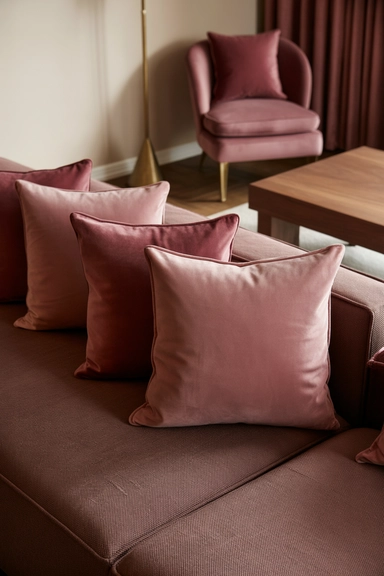
Deeper pink tones such as rose, mauve, or muted berry bring richness without leaning overly feminine. These shades work especially well in classic living rooms with traditional furniture or architectural detail, but they also add depth to modern spaces that feel too minimal. Used thoughtfully, deeper pinks feel sophisticated and grounded rather than playful.
Balance is essential when working with richer pink tones. Pair them with neutral walls, warm wood finishes, or dark accents to prevent the color from feeling heavy. Avoid combining deep pink with overly bright colors. When layered carefully, deeper pink adds elegance and visual weight while maintaining comfort.
12. Pink Combined With Wood Tones for Natural Warmth
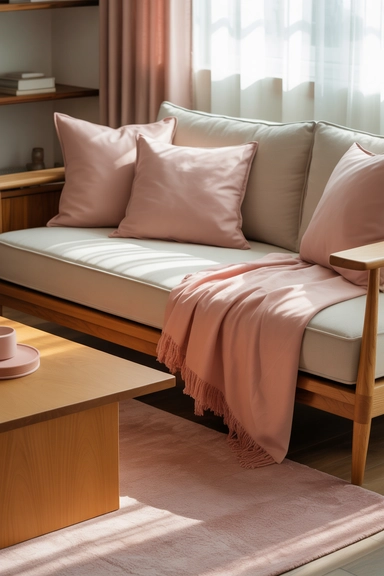
Pink pairs beautifully with wood, creating a natural and inviting living room palette. Light woods soften pink in modern interiors, while darker woods enhance its richness in classic spaces. This combination keeps pink feeling organic rather than decorative, making it easier to live with long term.
Let wood dominate larger surfaces such as floors, tables, or shelving, while pink appears through textiles or smaller furniture pieces. Avoid glossy finishes that can make pink feel artificial. Natural textures help the color blend seamlessly into the room’s overall design.
13. Pink Lighting Elements That Create a Soft Evening Glow
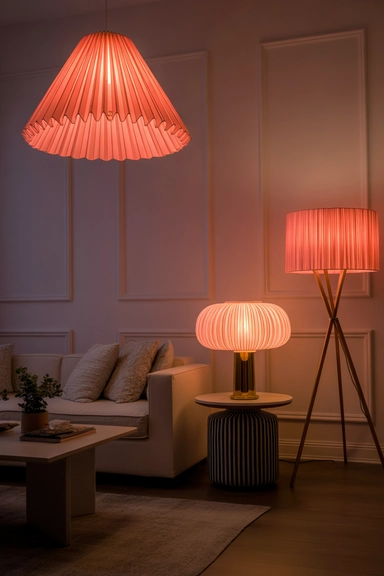
Lighting can dramatically change how pink appears in a living room. Lampshades or glass fixtures with a subtle pink tone soften artificial light, creating a warm and relaxed atmosphere in the evening. This works particularly well in classic spaces where layered lighting is already part of the design.
Keep pink lighting elements limited to one or two fixtures to avoid distorting the room’s color balance. Pair them with warm white bulbs for clarity. Thoughtful lighting allows pink to enhance comfort without making the space feel tinted or dim.
14. Pink Used in Patterned Textiles for Visual Depth
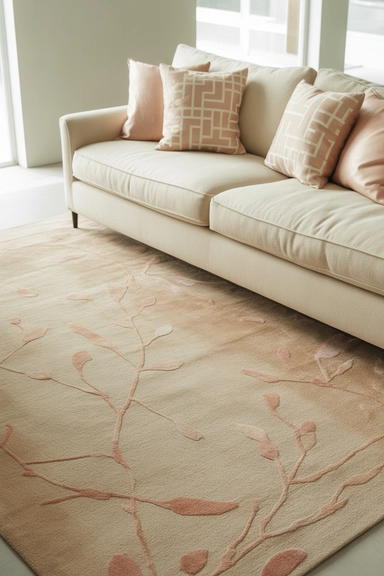
Patterned textiles offer a refined way to incorporate pink without relying on solid color blocks. Rugs, cushions, or upholstery with subtle pink patterns add depth and interest while keeping the room visually calm. This approach works equally well in modern and classic interiors.
Choose patterns with restrained color distribution and neutral backgrounds. Overly busy designs can compete with furniture and architectural details. When balanced correctly, patterned pink textiles feel layered and intentional rather than bold.
15. Pink Accents That Support a Calm, Lived-In Atmosphere
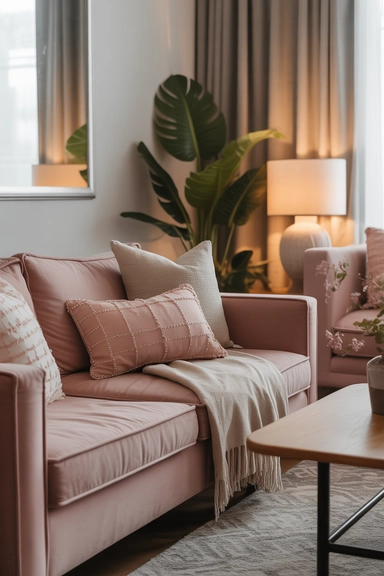
Pink accents work best when they enhance comfort rather than act as statements. Small touches such as cushions, throws, or decorative objects help soften the room and make it feel lived-in. This approach allows pink to appear naturally without dominating the design.
Focus on practicality and placement. Avoid over-styling or clustering pink elements together. When used sparingly and thoughtfully, pink supports a relaxed atmosphere that feels warm, balanced, and timeless.
16. Pink Used in Small Doses to Lift Dark or Flat Areas
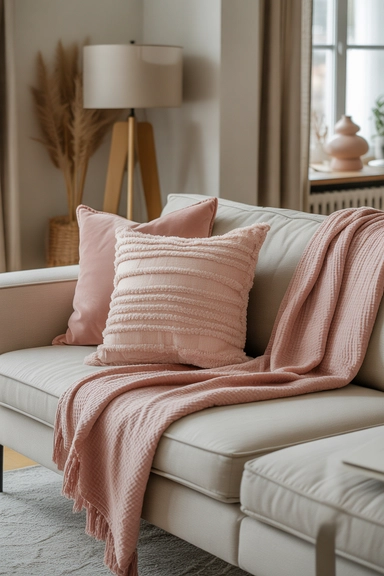
Small amounts of pink can be very effective in areas of the living room that feel flat, dark, or visually forgotten. A pink lamp base, side table, or decorative object can gently lift these spots without pulling attention away from the main seating area. This works well in both modern and classic rooms where balance and proportion matter more than bold statements.
Scale and placement are key. Avoid large pink furniture pieces in tight or dim areas, as they can feel heavy. Instead, choose compact accents and pair them with lighter walls or reflective surfaces. Used intentionally, pink brings warmth and clarity to underused spaces.
17. Pink Combined With Natural Materials for a Grounded Look
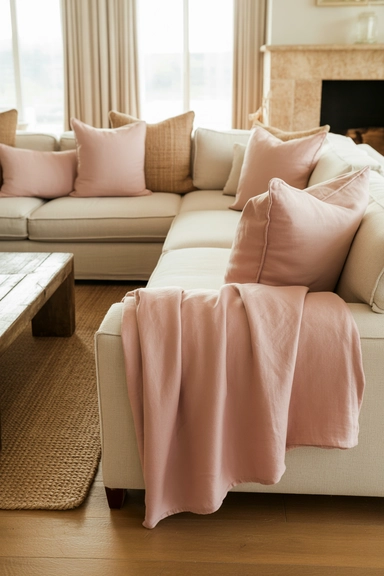
Pink feels most natural when paired with organic materials such as wood, linen, stone, or woven textures. These elements soften the color and prevent it from feeling decorative or artificial. In classic interiors, natural materials enhance pink’s warmth, while in modern spaces they add depth and comfort.
Let natural textures take up more visual space than the color itself. Pink should act as a supporting element layered into the materials rather than dominating them. Avoid pairing pink with too many glossy or synthetic finishes. Natural materials help the room feel grounded, calm, and easy to live in.
18. Pink Used in Transitional Elements Between Spaces
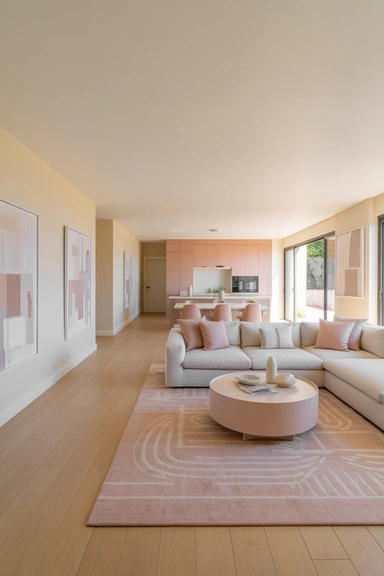
In open-plan homes, pink can help visually connect different areas without creating strong divisions. Pink works well in shared elements such as rugs, artwork, or lighting that appear across adjacent spaces. This creates a sense of flow while keeping the layout open and cohesive.
Consistency is important. Stick to one pink tone so the transition feels intentional rather than fragmented. Surround the color with neutrals to maintain balance. When applied thoughtfully, pink supports movement through the home while preserving visual harmony.
19. Pink Accents That Adapt Easily Across Seasons
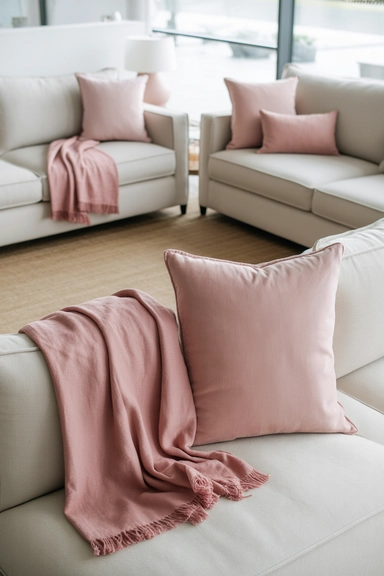
Pink is a surprisingly flexible color that adapts well throughout the year. Lighter pinks feel fresh in warmer months, while deeper or dustier tones add comfort in cooler seasons. Using interchangeable accents like cushions or throws allows easy updates without redesigning the entire room.
Keep the base palette neutral so seasonal changes feel effortless. Avoid tying pink to overly specific themes. This approach keeps the living room feeling current and uncluttered while allowing the color to evolve naturally over time.
20. Pink Used With Restraint in Minimalist Interiors
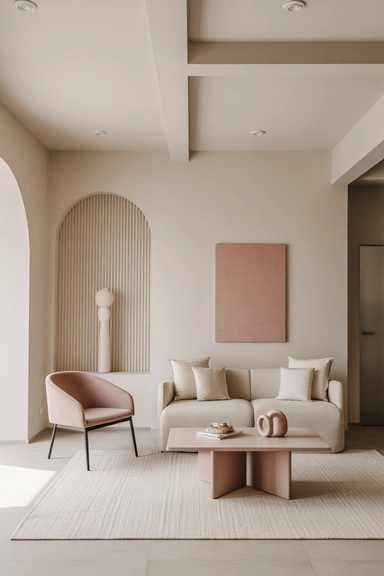
Minimalist living rooms benefit from warmth, but too much color can disrupt simplicity. Pink works best in these spaces when used sparingly, such as in a single accent chair, artwork, or textile. This softens the room without compromising clean lines or openness.
Choose quality over quantity. Well-made pieces with simple forms integrate pink seamlessly into minimalist layouts. Avoid layering multiple pink elements together. When used with restraint, pink adds character while preserving calm and clarity.
21. Using Pink Intentionally to Maintain Visual Balance
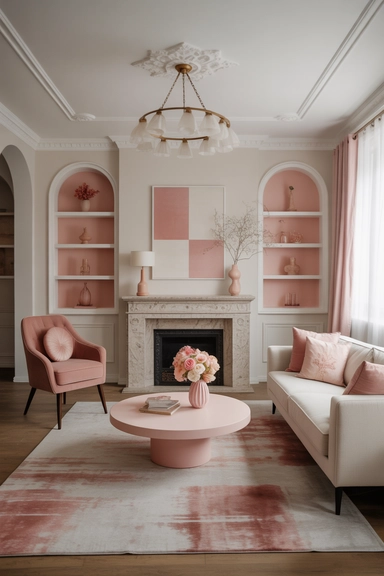
The most important principle when working with pink is intention. Pink should always serve a purpose, whether softening a modern layout, enhancing a classic room, or improving light and comfort. Random or excessive use can quickly disrupt balance.
Before adding pink, consider how it interacts with light, furniture placement, and movement. Limiting the color to key areas ensures it enhances the room rather than overwhelming it. Used thoughtfully, pink creates a living room that feels warm, balanced, and timeless.
Conclusion
Pink living room decor ideas can work beautifully in both modern and classic spaces when applied with balance and restraint. Rather than acting as a statement color, pink performs best as a supporting element that enhances warmth, texture, and comfort. Thoughtful placement, natural pairings, and controlled proportions allow pink to feel refined rather than decorative. When used intentionally, pink creates a living room that is inviting, versatile, and easy to live in over time.