22 Living Room Vase Decor Ideas That Add Balance, Height, and Visual Calm
Introduction
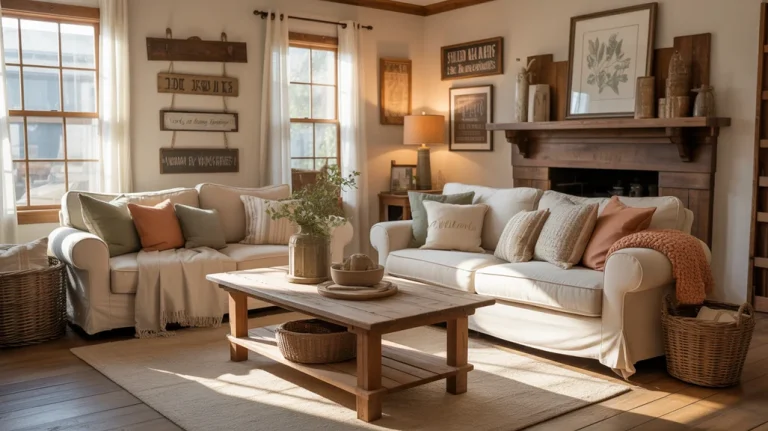
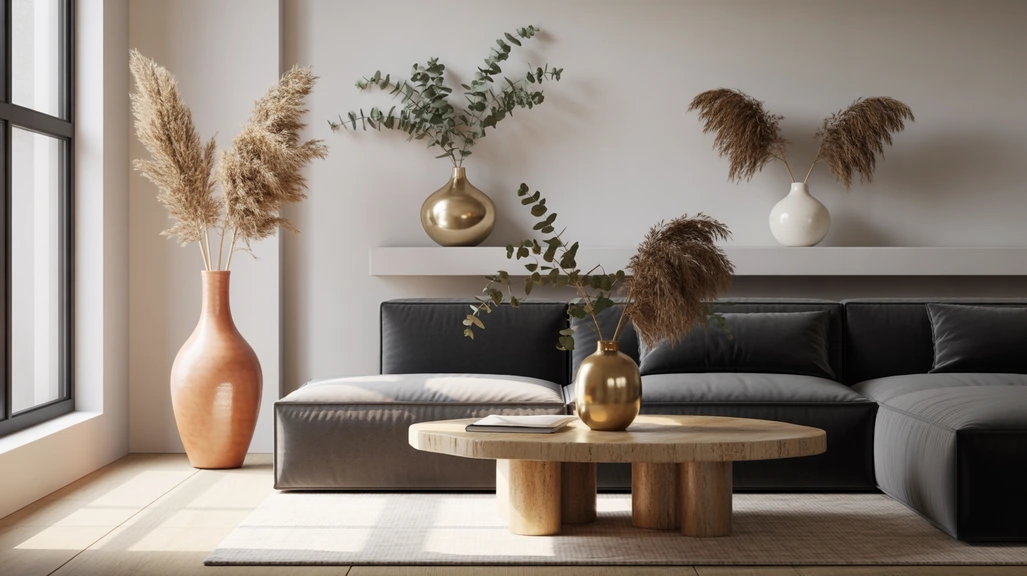
Living room vase decor ideas work best when they are guided by proportion, placement, and restraint rather than decoration alone. Vases influence how the eye moves through a space, helping balance low furniture, soften hard edges, and introduce vertical rhythm where the room feels visually flat. When chosen thoughtfully, they become quiet design tools that shape atmosphere without demanding attention. Many of these vase placements pair naturally with surfaces already doing visual work in the room, especially when styled alongside thoughtful console table decor ideas , where balance and spacing matter just as much.
1. Floor Vases That Add Height Without Overpowering the Room
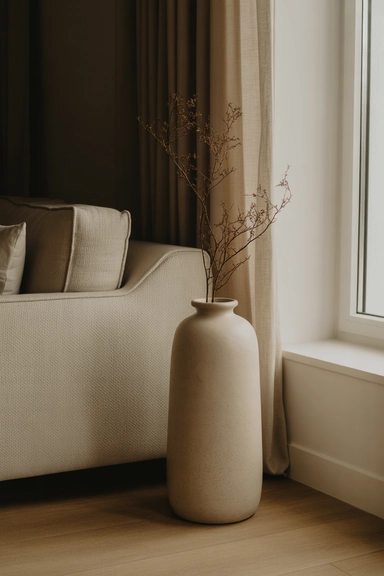
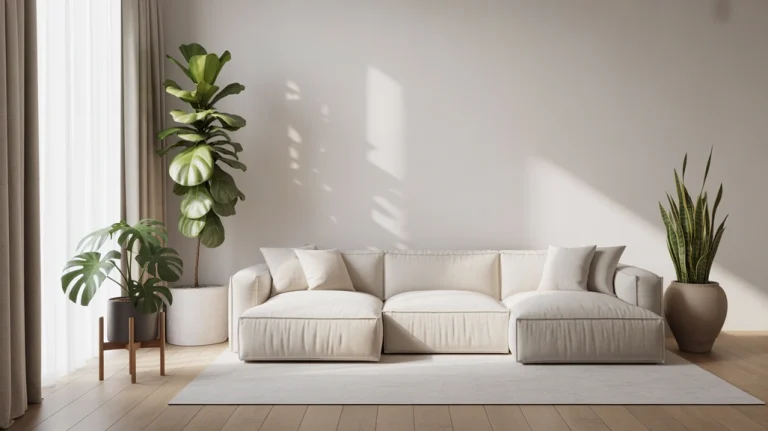
Floor vases work best when they respond to unused vertical space rather than trying to decorate it. In corners, beside sofas, or near window frames, a tall vase introduces height that visually balances wide furniture and low seating. Within thoughtful living room vase decor ideas, the floor vase should feel anchored, not placed for decoration alone. Matte ceramics, stone finishes, or softly textured clay help the vase blend into the room’s material story while still providing a strong vertical presence.
The key to success is restraint. Overfilling floor vases with dense florals often disrupts visual calm and pulls focus unnecessarily. A single branch, dried stem, or even an empty sculptural vase allows proportion to do the work. In well-executed living room vase decor ideas, the floor vase becomes a quiet architectural element, defining space and guiding the eye upward without creating visual noise.
2. Coffee Table Vases That Keep the Layout Open and Functional
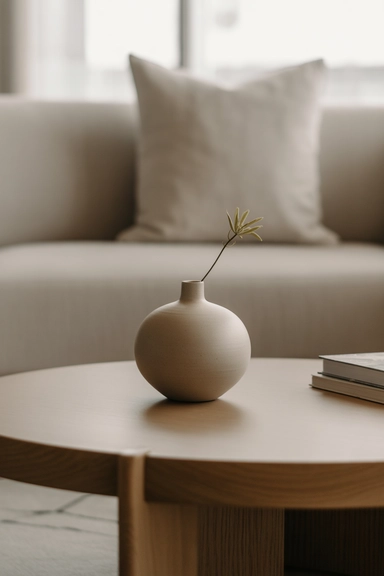
Coffee tables require vase styling that respects sightlines and daily use. A low-profile vase placed slightly off-center softens the table’s surface while maintaining openness between seating. Rounded shapes or organic silhouettes work especially well, as they contrast structured sofas and straight-edged tables. In balanced living room vase decor ideas, the coffee table vase should feel integrated into the room’s rhythm rather than acting as a focal point.
Scale matters more than decoration in this setting. A compact vase with a single stem or loose arrangement keeps the table usable and visually light. Avoid tall or crowded arrangements that interrupt conversation or block views across the room. When done correctly, coffee table vase styling enhances flow and comfort, reinforcing a living room that feels relaxed, intentional, and easy to inhabit.
3. Console Table Styling With Purposeful Vase Placement
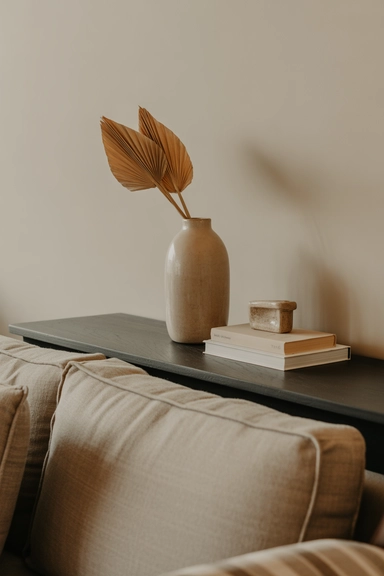
Console tables often sit along walls or behind sofas, making them ideal for structured yet subtle vase placement. A medium-height vase positioned slightly off-center prevents the surface from feeling rigid or overly symmetrical. Pairing the vase with stacked books or a low object creates a gentle visual slope that feels curated rather than staged. Strong living room vase decor ideas treat consoles as transitional zones, not display shelves.
Material choice plays a major role here. Soft-glazed ceramics, muted stoneware, or lightly textured finishes reflect light without demanding attention. Avoid placing multiple similar vases along the console, as repetition quickly feels decorative. One intentional piece provides enough visual weight while allowing negative space to keep the area calm and connected to the rest of the room.
4. Mantel Styling Using Vases as Quiet Accents
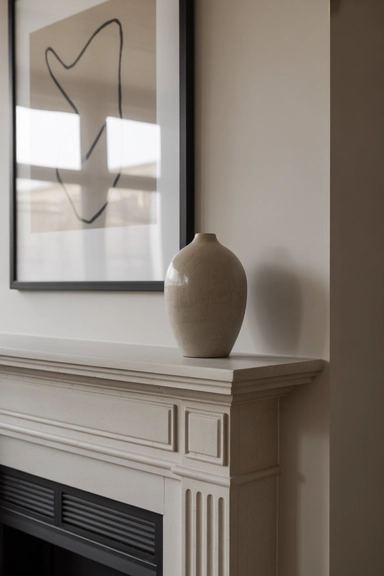
Mantels naturally draw attention, which makes restraint essential when introducing vases. A single vase placed toward one end of the mantel creates balance without forcing symmetry. Height should relate to nearby artwork or mirrors, stopping just short of overlapping visual boundaries. In refined living room vase decor ideas, the mantel vase supports the overall composition instead of competing with focal elements.
Sculptural forms work particularly well here, even without florals. This allows the mantel to remain relevant year-round without seasonal clutter. Neutral tones and simple silhouettes help the vase act as a visual pause, grounding the display. When styled with intention, mantel vases add depth and structure while preserving the calm authority of the living room’s main focal point.
5. Using Neutral Ceramic Vases to Build Texture and Calm
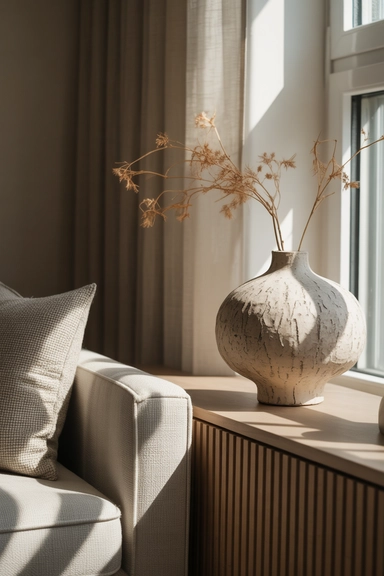
Neutral ceramic vases are among the most versatile tools in home styling because they rely on texture rather than color for impact. In living rooms with layered neutrals or muted palettes, these vases add quiet depth without disrupting harmony. Subtle imperfections, matte finishes, or hand-thrown shapes introduce warmth that feels collected rather than decorative, supporting elevated living room vase decor ideas.
Placement amplifies their effect. Positioning neutral ceramics near natural light highlights surface detail and soft shadow, giving the vase dimension without visual weight. One well-placed piece often does more than several scattered accents. Used intentionally, neutral ceramic vases strengthen the room’s material balance while maintaining the visual calm that encourages people to linger and return.
6. Glass Vases That Keep the Space Visually Light
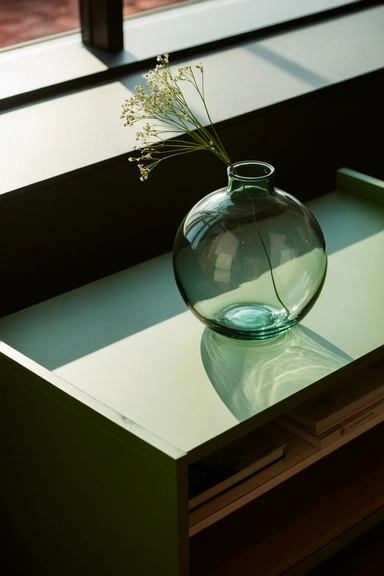
Glass vases are especially effective in rooms where furniture carries visual weight. Their transparency allows them to exist without adding density, which is useful in layouts with darker upholstery or heavy wood finishes. When applied thoughtfully within living room vase decor ideas, glass pieces soften surfaces like shelves or side tables without interrupting the room’s openness. Clear or lightly tinted glass works best, as it reflects surrounding colors rather than introducing new ones.
Restraint is essential with glass. Over-arranged florals can quickly make the vase feel busy and fragile rather than calm. A single stem, airy branch, or even an empty vessel allows light and reflection to become the design feature. Used this way, glass vases quietly enhance depth while preserving the room’s sense of ease and breathing space.
7. Side Table Vases That Support Comfort and Flow
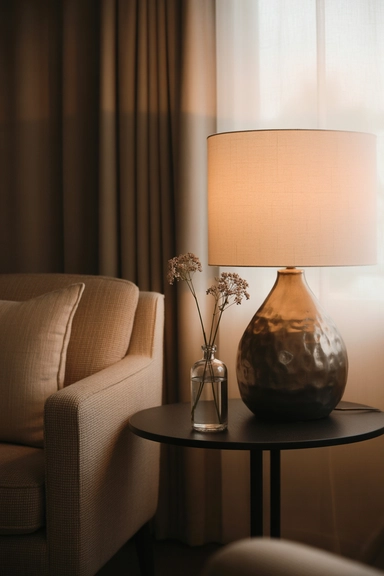
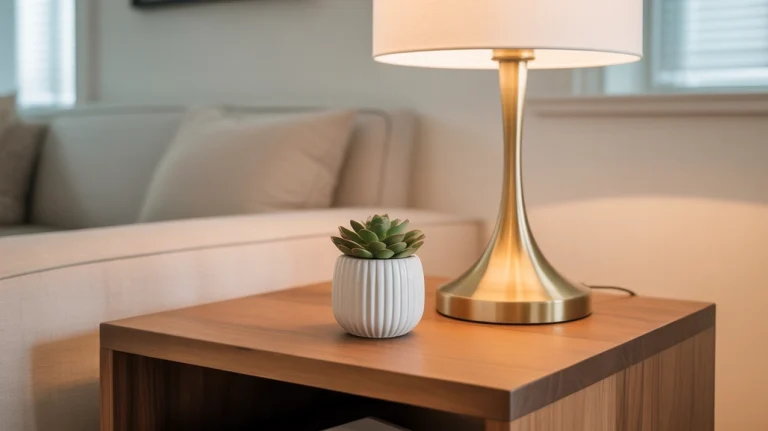
Side tables sit close to seating, which makes their styling more intimate and noticeable. A small vase placed beside a lamp or book stack adds softness without interfering with function. Rounded or gently curved forms work well here, easing the hard edges often created by sofas and armchairs. In refined living room vase decor ideas, side table vases should feel secondary to comfort, not central to decoration.
Scale and placement determine success. The vase should remain low enough to avoid blocking light or sightlines, and simple enough to coexist with daily use. Sparse arrangements maintain clarity, allowing the table to remain practical. When styled with intention, side table vases quietly enhance the seating experience rather than distracting from it.
8. Dried Botanical Arrangements That Add Texture Without Maintenance
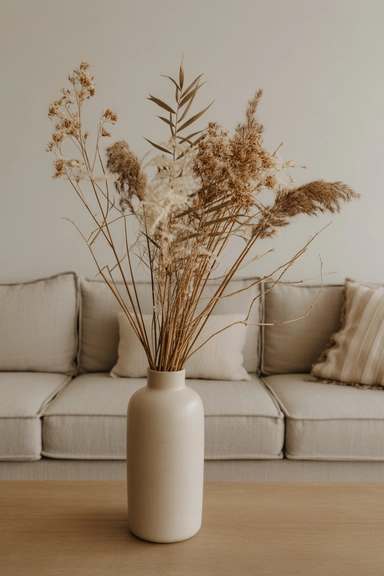
Dried botanicals introduce organic texture while avoiding the upkeep of fresh flowers. Their muted tones and natural movement complement relaxed interiors and neutral palettes. In balanced living room vase decor ideas, dried elements emphasize form and spacing rather than color. Tall grasses, seed pods, or branches work especially well when the goal is subtle height without seasonal dependency.
Spacing matters more than volume. Overfilling a vase can make dried arrangements feel heavy and dated. Allowing stems to spread naturally creates negative space that keeps the look intentional. This approach ensures the vase adds quiet character while maintaining the room’s overall calm and cohesion.
9. Shelf Styling With Vertical Vase Placement
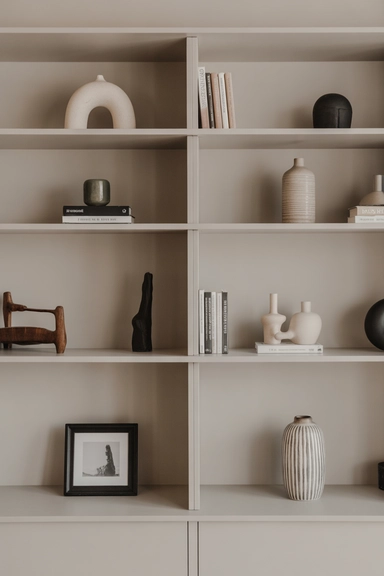
Open shelving often becomes visually flat when filled only with horizontal objects. Introducing a vertical vase breaks this pattern, guiding the eye upward and creating contrast. On shelves, vases work best when placed slightly back rather than at the edge, allowing them to integrate with books and objects. Thoughtful living room vase decor ideas treat shelves as compositions, not storage.
Variation prevents repetition. Instead of lining multiple vases together, allow one piece to stand among varied items. Neutral finishes help the vase blend while still providing structure. This layered approach keeps shelves curated and balanced, avoiding the cluttered look that comes from over-accessorizing.
10. Sculptural Vases Used as Standalone Statements
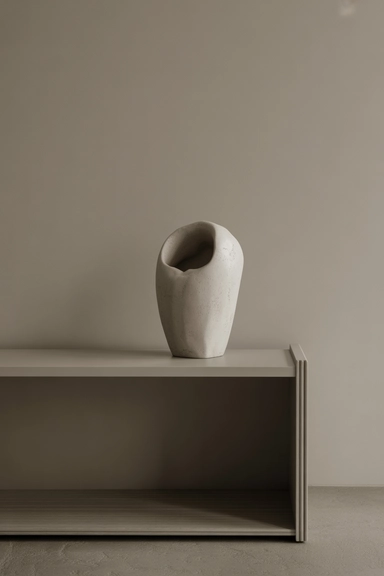
Sculptural vases function as objects of form rather than containers. Their presence relies on shape, proportion, and material instead of florals or fillers. In well-considered living room vase decor ideas, these pieces are placed where negative space enhances their impact, such as on consoles or coffee tables with minimal surrounding decor.
Isolation is key to effectiveness. Surrounding a sculptural vase with empty space allows its form to breathe and be appreciated. Using too many competing shapes weakens its impact. When chosen carefully, a single sculptural vase can define a surface, adding depth and intention without visual excess.
11. Window-Side Vase Placement That Works With Natural Light
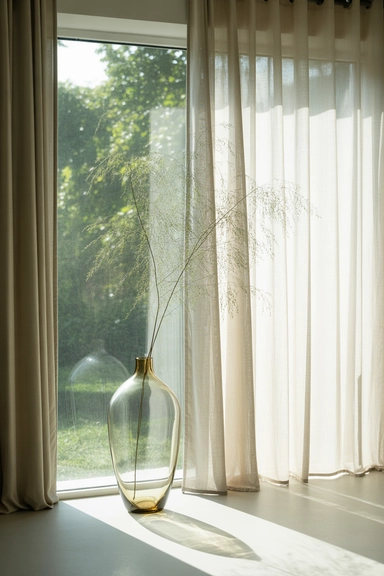
Areas near windows often feel visually unfinished, especially when furniture does not extend into those zones. A thoughtfully placed vase near a window uses natural light to enhance texture, silhouette, and material detail. In strong living room vase decor ideas, this placement is less about decoration and more about interaction with light. Soft ceramics, stoneware, or lightly frosted glass respond well to daylight, creating gentle shadow and depth without drawing focus away from the view.
The vase should complement the window rather than compete with it. Avoid bold colors or dense arrangements that block light or interrupt the openness. Tall, simple forms or lightly filled vessels work best, allowing light to pass around them. This approach keeps the space feeling intentional while preserving brightness and visual flow.
12. Monochrome Vase Groupings That Create Visual Cohesion
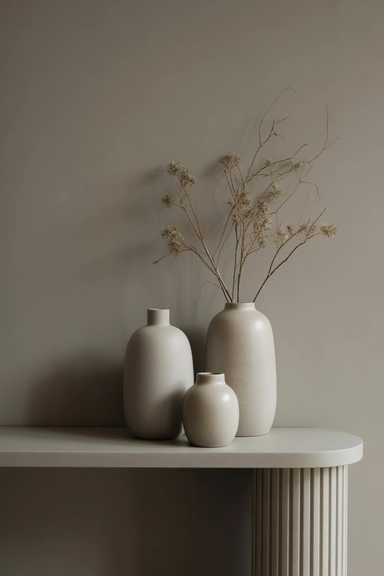
Using vases within a single color family helps maintain calm while still allowing variation through shape and texture. Monochrome groupings are especially effective on long consoles or shelving where visual unity matters. In refined living room vase decor ideas, similar tones prevent the arrangement from feeling busy while still adding depth through material differences such as matte, glazed, or lightly textured finishes.
Variation should come from form, not color. Mixing heights and silhouettes within the same palette creates movement without chaos. Spacing remains critical, as overcrowding quickly undermines the intended calm. When done thoughtfully, monochrome vase styling strengthens cohesion and makes the room feel composed rather than styled for effect.
13. Minimalist Vase Styling With Intentional Restraint
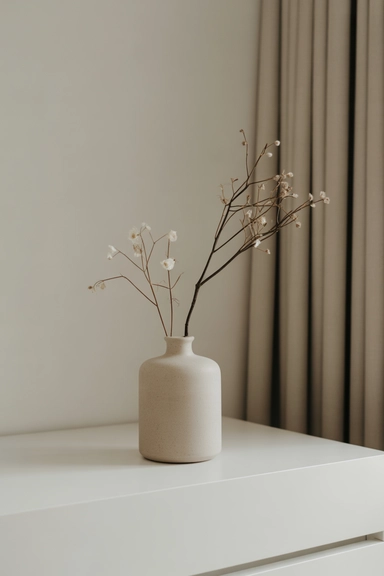
Minimalist spaces rely heavily on precision, which makes vase selection and placement especially important. A single vase can define an entire surface when chosen with care. Clean lines, simple forms, and neutral tones align well with minimalist interiors, where excess detail would feel intrusive. Effective living room vase decor ideas in minimalist settings focus on purpose rather than decoration.
Empty or lightly filled vases often work best here. Allowing the form to stand alone reinforces clarity and openness. Placement should feel deliberate, with enough surrounding space to avoid visual compression. This restraint keeps the room feeling calm, ordered, and thoughtfully resolved rather than sparse or unfinished.
14. Layering Vases by Height to Create Gentle Movement
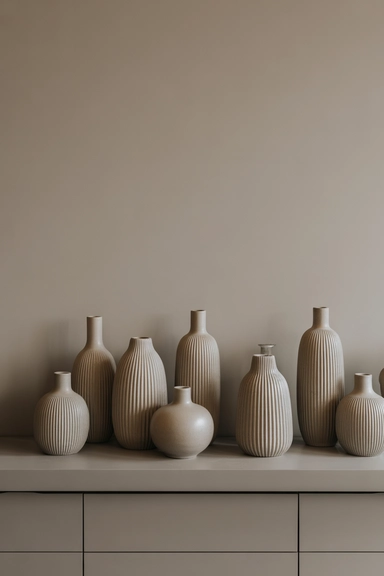
Varying vase heights introduces rhythm across surfaces that might otherwise feel flat. This technique works particularly well on wide consoles, shelving units, or low cabinets where horizontal lines dominate. In balanced living room vase decor ideas, height variation guides the eye naturally without forcing attention to any single piece.
Consistency keeps the arrangement cohesive. Using a shared material, tone, or finish prevents height differences from feeling chaotic. Spacing remains just as important as scale, allowing each vase to stand independently. When layered thoughtfully, height variation adds subtle energy while maintaining overall visual calm.
15. Using Vases to Add Depth in Neutral-Toned Rooms
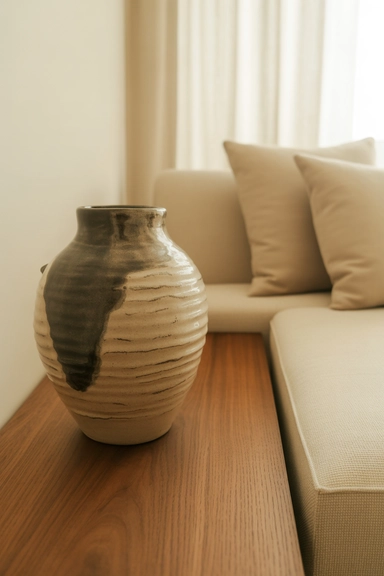
Neutral living rooms depend on texture and form to avoid feeling one-dimensional. Vases contribute by introducing tactile contrast through materials such as clay, stone, or ceramic. In layered living room vase decor ideas, these elements enrich the space without relying on color changes, supporting a calm and timeless aesthetic.
Placement near contrasting surfaces enhances impact. Positioning a textured vase against smooth wood, fabric, or painted walls creates visual interest through contrast alone. Avoid clustering too many pieces together, as restraint keeps the room feeling intentional. Used carefully, vases add depth that invites repeated appreciation rather than immediate attention.
16. Organic-Shaped Vases That Soften Structured Layouts
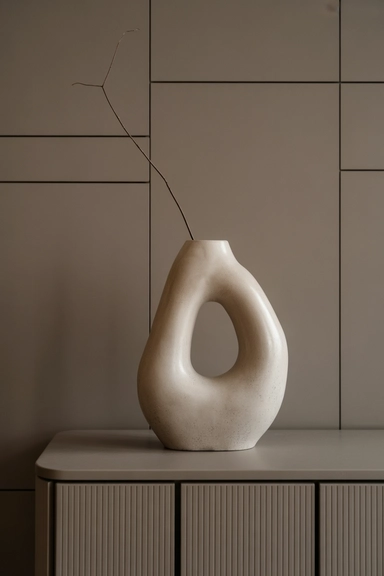
Rooms dominated by straight lines and sharp edges benefit from vases with organic, irregular forms. These shapes introduce softness that counterbalances rigid furniture profiles and architectural lines. In considered living room vase decor ideas, organic vases act as visual relief, easing transitions between structured elements like sofas, tables, and shelving. Their uneven curves create movement without requiring color or ornamentation.
Placement should remain simple to let the form speak for itself. Overstyling weakens the natural impact of organic shapes. A single piece placed on a console or table allows the silhouette to remain the focus. This restraint helps the room feel more relaxed while preserving overall balance and cohesion.
17. Slim Vases That Work Well in Smaller Spaces
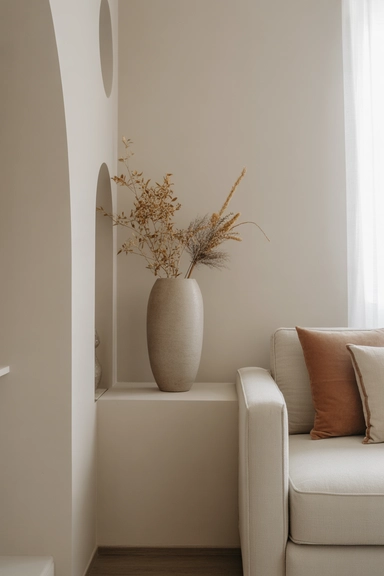
Smaller living rooms require decor that adds dimension without occupying valuable space. Slim vases are ideal for this purpose, as they introduce height while maintaining a minimal footprint. In smart living room vase decor ideas, narrow forms help draw the eye upward, subtly improving perceived proportions without crowding the layout.
Light-toned ceramics or glass work best in compact settings, as they prevent visual heaviness. Placement on shelves, consoles, or narrow corners keeps circulation clear. Avoid bulky arrangements that overwhelm scale. When used thoughtfully, slim vases enhance spatial flow while keeping the room feeling open and breathable.
18. Statement Vases Used With Intentional Isolation
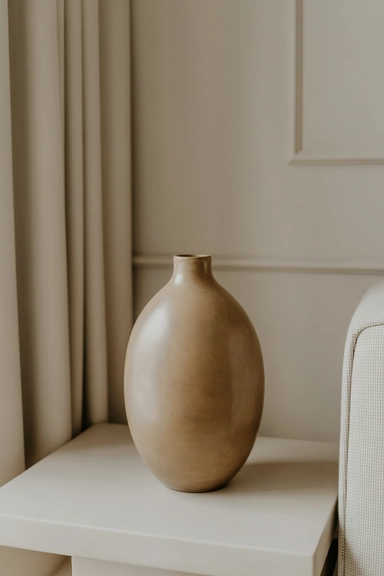
Statement vases succeed when treated as focal objects rather than decorative accents. Their impact comes from bold form, texture, or finish, not from surrounding embellishment. In refined living room vase decor ideas, statement pieces are given space to stand alone, allowing negative space to amplify their presence.
Crowding a statement vase with other decor dilutes its effect. Instead, place it on a clear surface where its shape and material can be fully appreciated. This approach keeps the room from feeling busy while still introducing a strong visual anchor that feels deliberate rather than decorative.
19. Soft-Toned Vases That Enhance Cozy Interiors
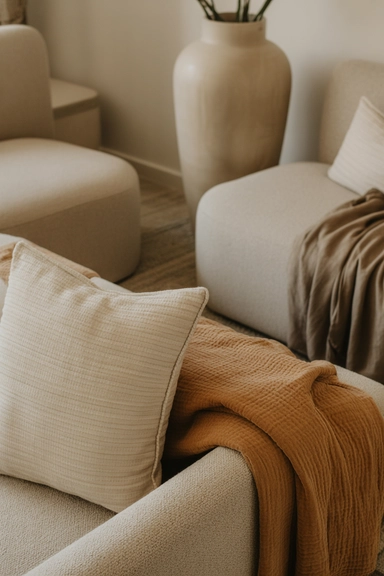
Cozy living rooms rely on warmth and subtle layering rather than contrast. Vases in soft, muted tones support this atmosphere by blending seamlessly with textiles and upholstery. Rounded forms and matte finishes echo the comfort of upholstered furniture, reinforcing a welcoming mood. In gentle living room vase decor ideas, these pieces contribute to harmony rather than standing out.
Arrangements should remain relaxed and slightly imperfect. Avoid rigid symmetry or overly styled compositions, which can feel out of place in cozy settings. A loosely arranged vase placed near seating enhances intimacy, making the room feel inviting and naturally lived-in.
20. Seasonal Adjustments That Maintain Visual Consistency
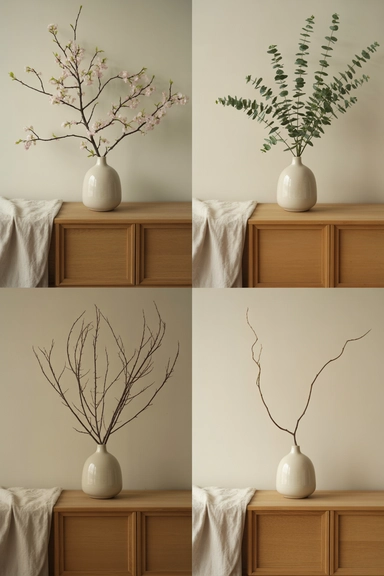
Seasonal updates often feel disruptive when they require complete decor changes. Vases offer a more restrained approach by allowing subtle shifts through stems, texture, or placement. In thoughtful living room vase decor ideas, the same vase can remain year-round while its contents change slightly to reflect the season.
Consistency preserves balance. Swapping heavy branches for lighter stems, or dried elements for bare forms, keeps the room current without visual reset. This approach maintains familiarity and calm, ensuring the living room evolves gently rather than feeling restyled every few months.
21. Corner Placement That Resolves Awkward Gaps
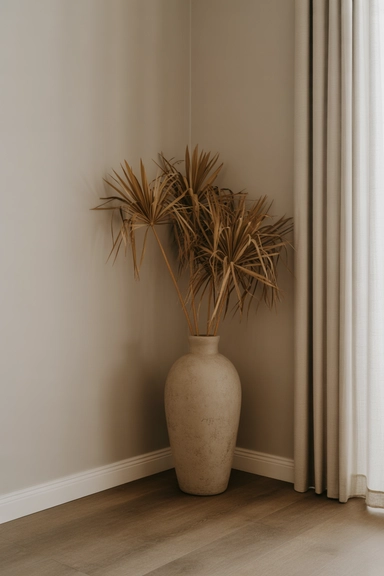
Corners often feel unresolved, especially in open living rooms where furniture floats away from walls. A well-chosen vase can define these gaps without forcing additional furniture into the layout. Tall, narrow forms work best, adding presence while keeping the footprint minimal. In practical living room vase decor ideas, corner placement is about balance, not filling space. The vase should sit slightly away from the wall to avoid looking tucked in or forgotten.
Material and restraint determine success. Neutral stone, ceramic, or softly textured finishes help the vase integrate with surrounding elements. Avoid pairing corner vases with extra decor, which can make the area feel crowded. When placed intentionally, a single vase resolves visual emptiness and brings quiet structure to overlooked zones.
22. Mixing Materials Without Disrupting Visual Calm
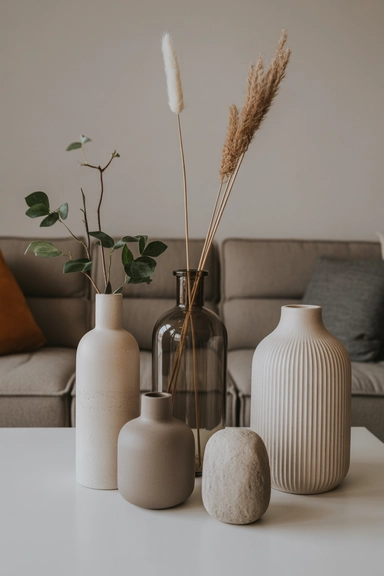
Combining different vase materials can add depth when done with control. Ceramic, glass, and stone each bring a distinct visual weight, and using them together works best when the color palette remains consistent. In refined living room vase decor ideas, material contrast replaces color contrast, allowing variety without visual noise. This approach suits layered interiors that rely on texture rather than bold accents.
Spacing is critical when mixing materials. Each vase should have room to stand independently so its surface and form are clearly visible. Avoid clustering too tightly, which blurs distinctions and feels decorative. Thoughtful separation keeps the composition balanced, ensuring mixed materials enhance the room’s character instead of overwhelming it.
Conclusion
Living room vase decor ideas are most effective when guided by proportion, placement, and restraint rather than decoration alone. A vase can add height, soften structure, or resolve empty areas when it responds to the room’s layout instead of competing with it. By focusing on scale, material, and negative space, vases become quiet design tools that support flow and balance. Used with intention, they create a living room that feels composed, calm, and inviting—one that rewards attention and encourages people to return to it again and again.