23 Living Room End Table Decor Ideas That Don’t Feel Cluttered
Introduction
Living room end table decor ideas play a subtle but important role in how finished and comfortable a seating area feels, much like the details that shape overall living room decor ideas. Because end tables sit close to sofas and chairs, they are easy to overstyle and quick to feel visually crowded, especially in spaces where coffee table decor ideas and seating arrangements already carry visual weight. When too many objects compete for attention, the space can feel messy rather than inviting. Thoughtful end table styling is less about adding decorative pieces and more about controlling scale, spacing, and purpose. The ideas below focus on end table decor that feels intentional, practical, and visually calm, helping the living room feel balanced and easy to live with.
1. Limit End Table Decor to a Few Essential Items
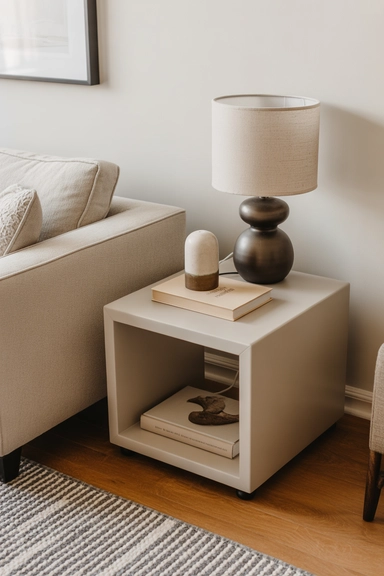
An end table works best when it holds only what is necessary for daily use and visual balance. Filling the surface with multiple decorative objects can quickly make the area feel cluttered, especially in smaller living rooms. Keeping decor limited to two or three well-chosen items allows each piece to stand out without competing for space. This restraint helps the end table feel purposeful rather than overloaded.
A simplified surface also improves usability. When items are minimal, the table remains functional for drinks, books, or lighting without constant rearranging. This balance between form and function keeps the seating area comfortable while maintaining a clean, intentional look that feels calm rather than decorative for decoration’s sake.
2. Choose Decor With the Right Scale for the Table
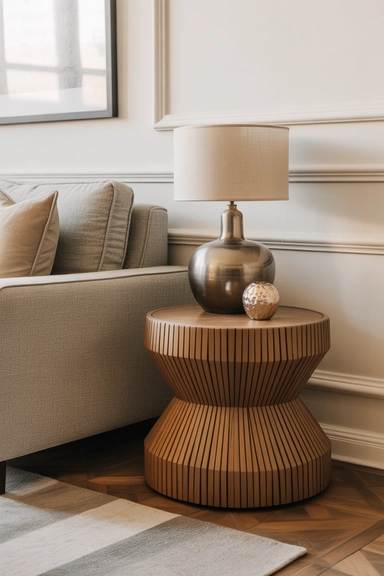
Scale is one of the most important factors in end table styling. Oversized decor can dominate a small table, while tiny objects scattered across a larger surface can feel messy and unfocused. Living room end table decor ideas work best when the size of each piece feels proportionate to the table’s dimensions and height. Proper scale creates visual harmony and prevents the table from feeling crowded.
Well-scaled decor also improves visual flow around seating areas. When objects relate naturally to the table, the eye moves comfortably without distraction. This makes the end table feel like an integrated part of the living room rather than a separate styling moment competing with nearby furniture.
3. Use One Functional Piece as the Anchor
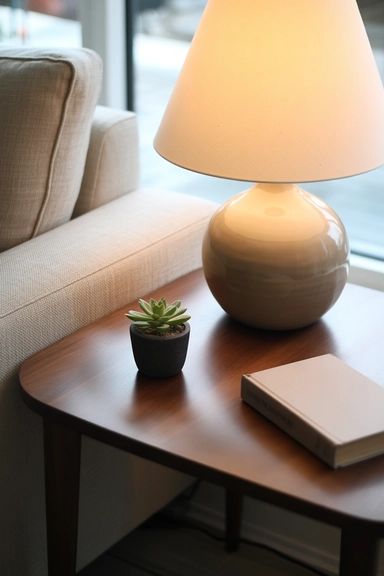
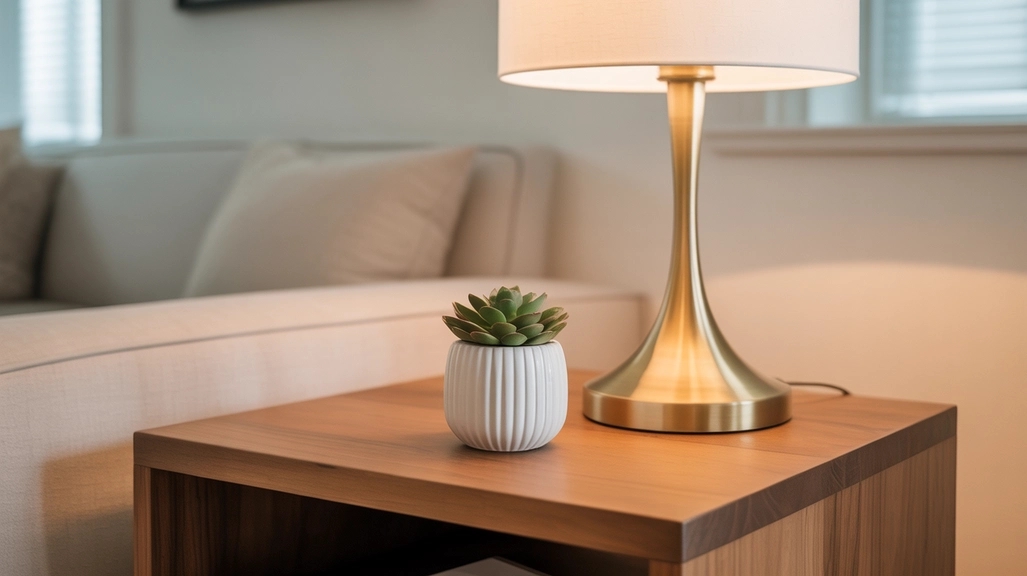
A functional anchor such as a table lamp, small tray, or compact plant helps establish structure on an end table. This anchor gives the arrangement a clear starting point and reduces the urge to add unnecessary decor. Living room end table decor ideas feel more intentional when function leads the design rather than decoration alone.
Anchoring the table with a useful item also keeps the surface practical for everyday life. When one element serves a clear purpose, the rest of the decor can remain minimal and supportive. This approach prevents clutter while ensuring the table still feels finished and thoughtfully styled.
4. Keep Decorative Heights Varied but Controlled
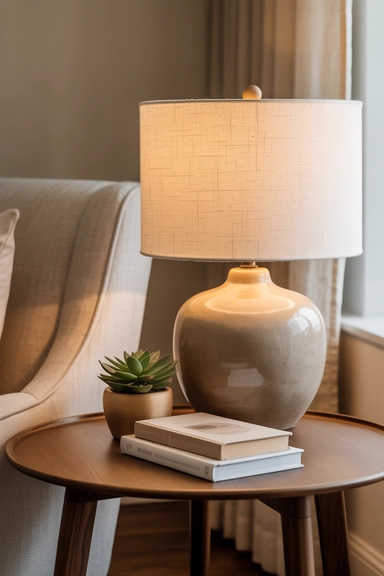
Varying height adds interest to an end table, but too much contrast can create visual chaos. Mixing one taller element with one or two lower pieces creates balance without overwhelming the surface. Living room end table decor ideas benefit from controlled height variation that feels intentional rather than random.
Keeping heights within a comfortable range also prevents decor from blocking sightlines or interfering with seating comfort. When objects are thoughtfully layered, the table feels visually dynamic yet calm. This balance allows the end table to enhance the seating area without drawing unnecessary attention.
5. Leave Open Space on the Table Surface
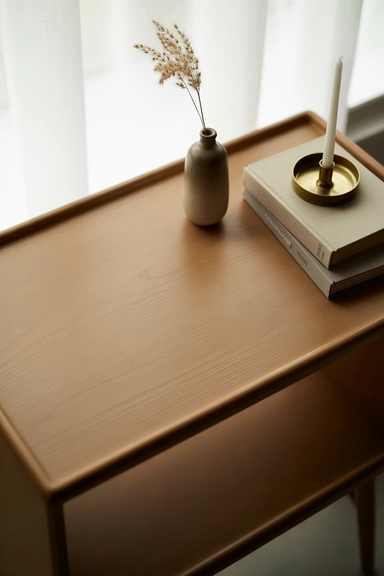
Negative space is just as important as decor when styling an end table. Leaving part of the surface open allows the table to breathe and prevents the arrangement from feeling cramped. Living room end table decor ideas that incorporate open space feel lighter and more relaxed, especially in frequently used seating areas.
Open space also improves functionality. A clear area makes it easier to place everyday items without disturbing the decor. This practical consideration keeps the table usable and visually calm, reinforcing a clutter-free look that feels comfortable rather than staged.
6. Use a Tray to Contain Smaller Objects
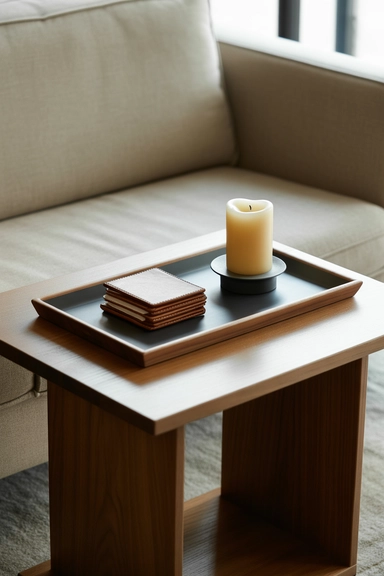
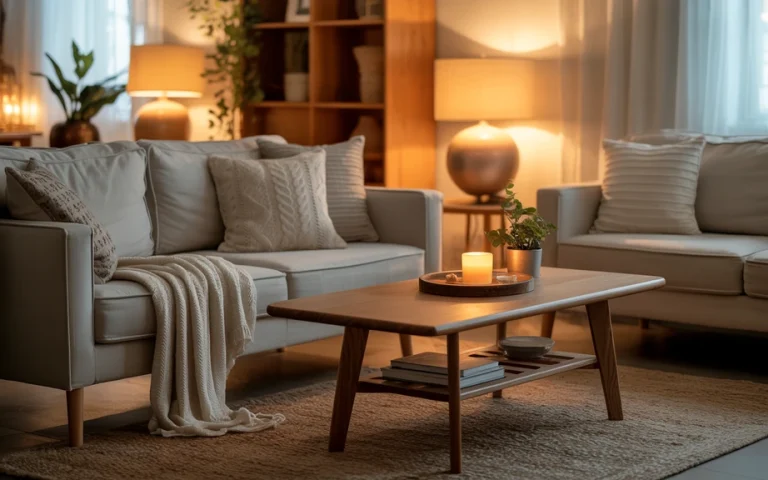
A tray is one of the most effective tools for keeping end table decor from feeling scattered. Small items like coasters, candles, or decorative accents can quickly look messy when placed individually. Grouping them inside a tray creates a clear boundary and gives the arrangement structure. Living room end table decor ideas feel more intentional when smaller pieces are visually contained rather than spread across the surface.
Using a tray also makes everyday use easier. Items can be moved together when needed, keeping the table functional without constant rearranging. This approach balances practicality and style, allowing the end table to feel organized and visually calm even with multiple objects present.
7. Choose Decor That Relates to Nearby Seating
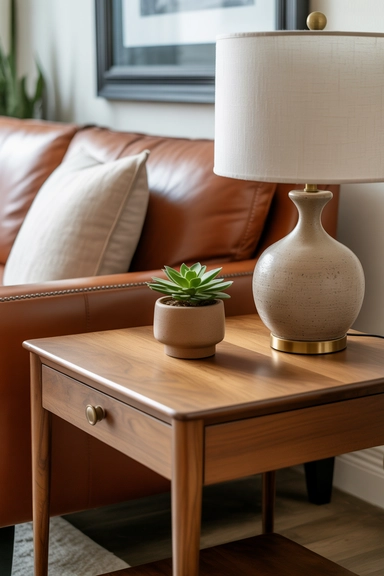
End tables sit directly beside sofas and chairs, so their decor should visually relate to nearby furniture. When colors, materials, or finishes clash, the table can feel disconnected from the seating area. Living room end table decor ideas work best when decor echoes the tone or texture of surrounding upholstery, wood finishes, or metal accents.
This visual connection creates cohesion across the seating zone. When the end table feels integrated rather than separate, the entire area looks more polished. Subtle repetition of materials helps maintain balance and prevents the table from standing out in a way that feels cluttered or unnecessary.
8. Keep Decor Low Near Armrests and Seating
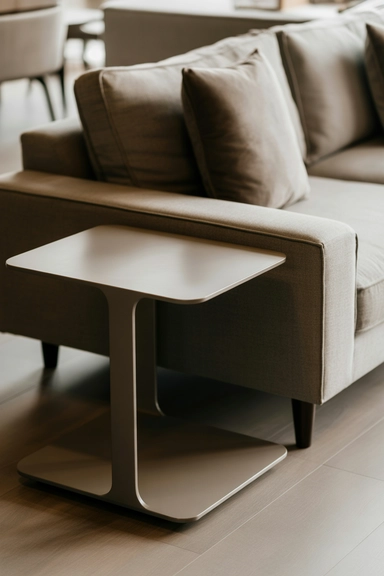
Tall decor placed close to seating can feel intrusive and uncomfortable. Lamps that are too high or decor that rises above armrest level may block views or interfere with conversation. Living room end table decor ideas benefit from keeping most items low, especially when tables sit close to sofas or chairs.
Lower decor maintains comfort and openness. It allows the table to serve its purpose without visually crowding the seating area. This approach keeps the space feeling relaxed and user-friendly while still allowing the end table to add subtle style and function.
9. Avoid Mixing Too Many Decorative Styles
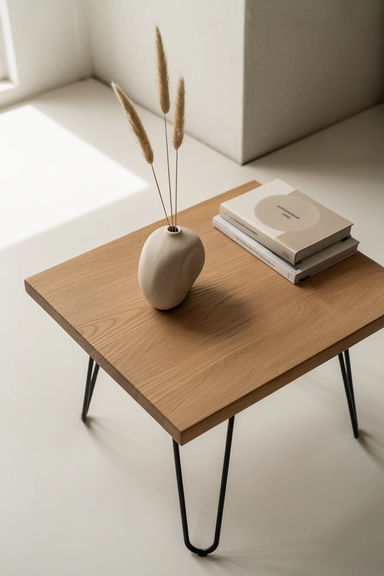
Combining multiple decorative styles on a small end table often leads to visual clutter. When too many themes compete—such as modern, rustic, and vintage elements—the surface feels busy and unfocused. Living room end table decor ideas are most effective when one clear style direction guides the selection of objects.
Sticking to a single aesthetic helps the table feel cohesive. Even a minimal arrangement looks intentional when decor shares a common visual language. This restraint prevents confusion and ensures the end table enhances the living room rather than distracting from it.
10. Use Books Sparingly for Structure, Not Decoration
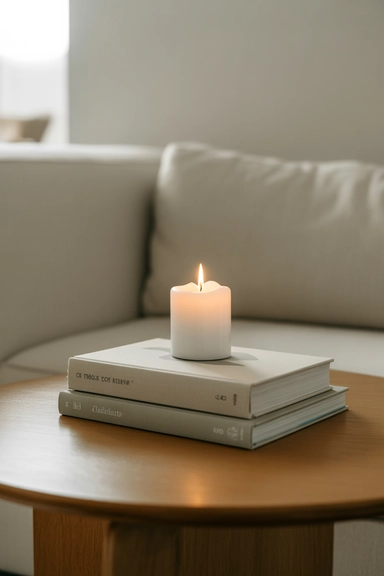
Books can add structure to an end table, but overusing them quickly creates clutter. A small stack of one or two books works well as a base for another object, such as a candle or decorative accent. Living room end table decor ideas benefit from using books as a supporting element rather than a focal point.
Keeping book stacks minimal prevents the table from feeling heavy. It also maintains flexibility, allowing the surface to remain functional. When used thoughtfully, books add texture and height without overwhelming the table or the seating area nearby.
11. Let One Decorative Item Be the Visual Focus
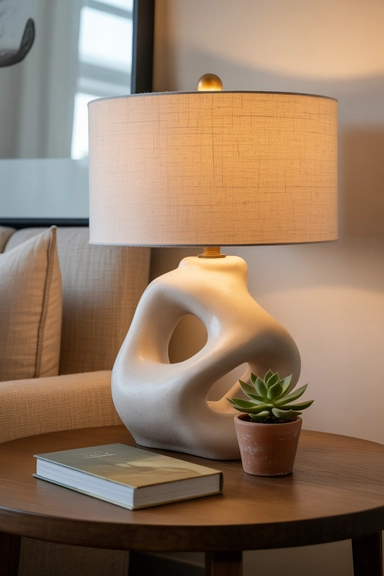
An end table feels calmer when one item clearly takes the lead visually. When several pieces compete for attention, the surface can look cluttered even if there are only a few objects. Living room end table decor ideas work best when a single item—such as a lamp, vase, or small sculpture—acts as the focal point, with other pieces playing a supporting role.
This hierarchy makes the arrangement easier to read at a glance. The eye naturally settles on the main element before moving to smaller accents. When visual roles are clearly defined, the end table feels intentional and balanced rather than busy or overstyled.
12. Keep Color Choices Soft and Coordinated
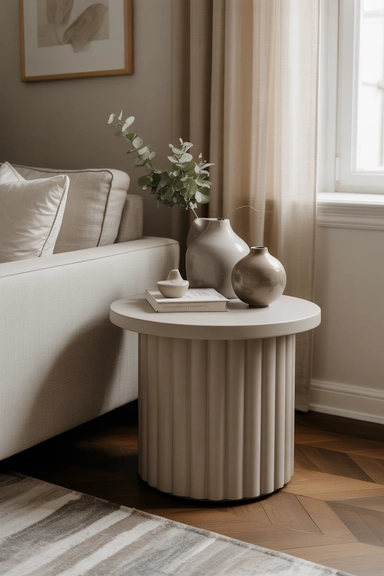
Color has a strong impact on how cluttered an end table feels. Too many contrasting colors can create visual noise, even when the decor is minimal. Living room end table decor ideas benefit from a soft, coordinated color palette that blends naturally with the surrounding seating area and walls.
Muted tones, neutrals, or closely related hues help decor feel cohesive. When colors relate to each other, the table looks calm and controlled. This approach allows texture and form to add interest without relying on bold color contrasts that can overwhelm a small surface.
13. Use Texture Instead of Extra Objects
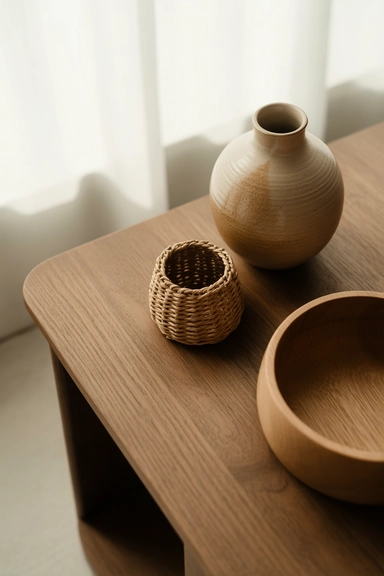
Texture can add depth to an end table without increasing the number of items on it. Materials such as ceramic, wood, glass, or fabric introduce visual interest through surface variation rather than quantity. Living room end table decor ideas feel more refined when texture replaces excess decoration.
A textured lamp base or a woven tray can provide enough character on its own. This strategy keeps the table visually engaging while maintaining restraint. When texture does the work, fewer objects are needed, helping the end table remain uncluttered and easy to live with.
14. Keep Everyday Items Part of the Design
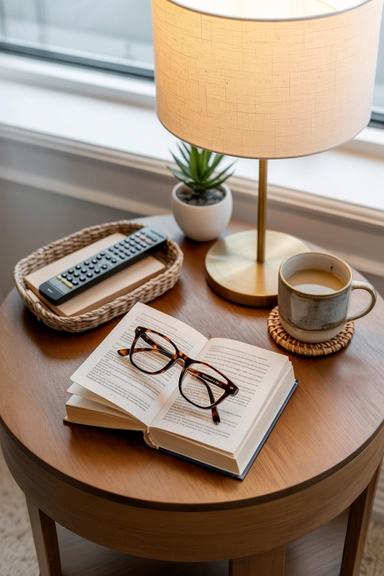
End tables are often used for practical items like remotes, glasses, or small books. When these items are ignored in the styling plan, clutter quickly builds up. Living room end table decor ideas are more successful when everyday objects are intentionally incorporated into the arrangement rather than treated as an afterthought.
Designating a specific spot for functional items helps maintain order. A small tray or defined area keeps necessities organized and visually contained. This approach ensures the table stays tidy while remaining genuinely useful for daily living.
15. Avoid Filling the Table Just to Make It Look Styled
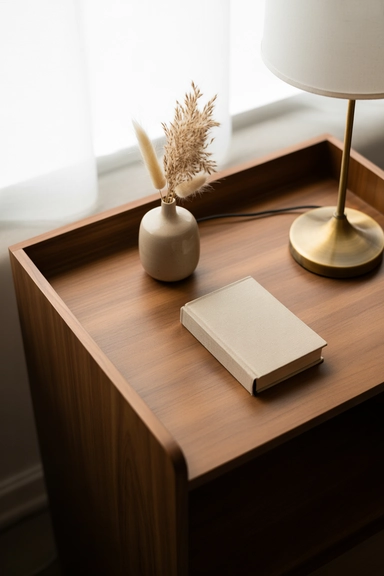
One of the most common styling mistakes is adding decor simply to avoid empty space. An end table does not need to be fully filled to look finished. Living room end table decor ideas work best when decor is chosen with purpose rather than quantity in mind.
Allowing a table to remain partially empty creates visual calm and flexibility. It also makes the space feel more relaxed and less staged. When decor is added thoughtfully instead of habitually, the end table supports the living room without contributing to clutter.
16. Keep Decor Height Comfortable for Seated Use
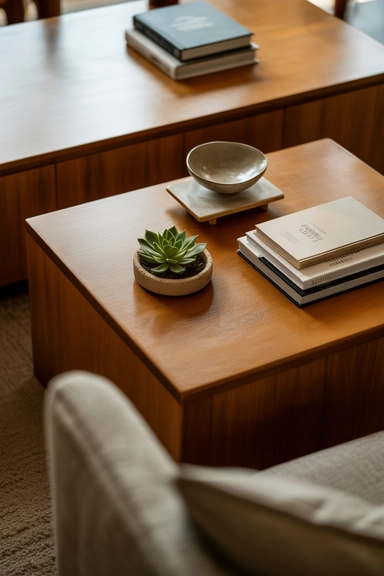
End tables are experienced from a seated position, so decor height should feel comfortable rather than imposing. Tall items placed too close to seating can block views or feel intrusive during conversation. Living room end table decor ideas work best when most objects sit below shoulder height when seated, keeping the area visually open and relaxed.
Comfortable height also improves usability. When decor does not dominate the table, it remains easy to reach and practical for everyday use. This balance ensures the end table enhances the seating area without becoming a visual or physical obstacle.
17. Match Decor Weight to the Table’s Visual Strength
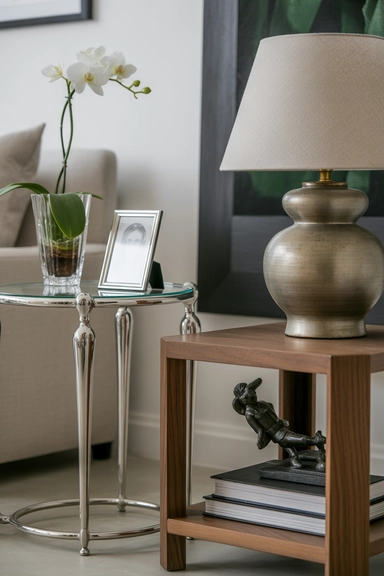
The visual weight of decor should respond to the table itself. A light, delicate table can feel overwhelmed by heavy objects, while a solid table may need slightly stronger pieces to feel balanced. Living room end table decor ideas benefit from matching the perceived weight of decor to the table’s construction and presence.
When visual weight is aligned, the table feels stable and intentional. This consideration prevents the arrangement from feeling top-heavy or insignificant. Proper balance helps the end table blend naturally into the living room rather than drawing attention for the wrong reasons.
18. Avoid Overdecorating Both End Tables at Once
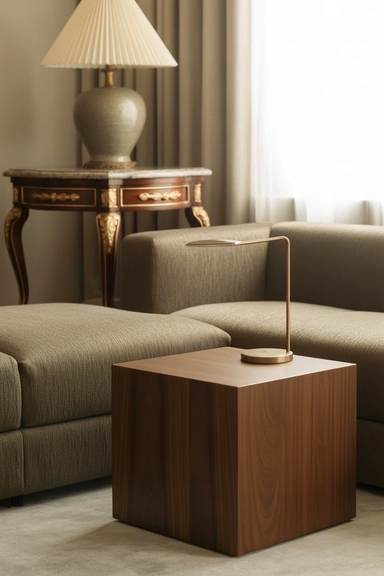
When a living room has two end tables, styling both too heavily can double the visual clutter. Living room end table decor ideas are often more effective when one table carries a slightly stronger visual role while the other remains simpler. This variation keeps the seating area from feeling overly styled.
Differentiating the two tables also adds natural rhythm to the space. One table can hold a lamp or decor cluster, while the other stays more functional. This approach maintains balance without symmetry becoming rigid or visually exhausting.
19. Edit Decor Regularly to Prevent Accumulation
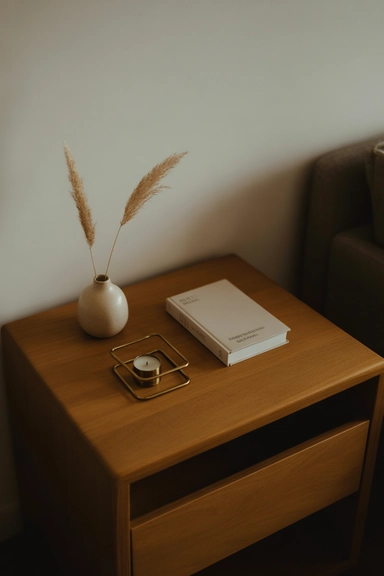
End tables are prone to collecting items over time. Even well-styled surfaces can slowly become cluttered as objects accumulate. Living room end table decor ideas stay effective when the table is revisited occasionally and unnecessary items are removed.
Regular editing restores clarity and intention. When only essential and meaningful pieces remain, the table feels calm and purposeful. This habit prevents visual overload and keeps the living room looking organized and comfortable rather than crowded.
20. Let the End Table Support the Room, Not Compete
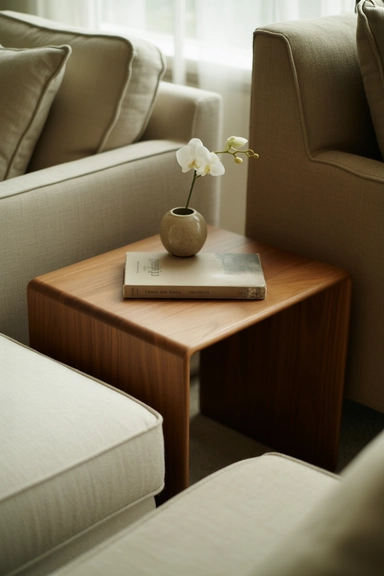
An end table should quietly support the living room rather than act as a focal point. When decor becomes too bold or elaborate, it can distract from larger elements like seating, artwork, or architectural features. Living room end table decor ideas work best when the table plays a secondary, supportive role.
Subtle styling allows the end table to enhance the space without drawing attention away from the room’s main features. This restraint keeps the living room feeling cohesive, balanced, and easy to enjoy over time.
21. Keep the Table Surface Easy to Clear When Needed
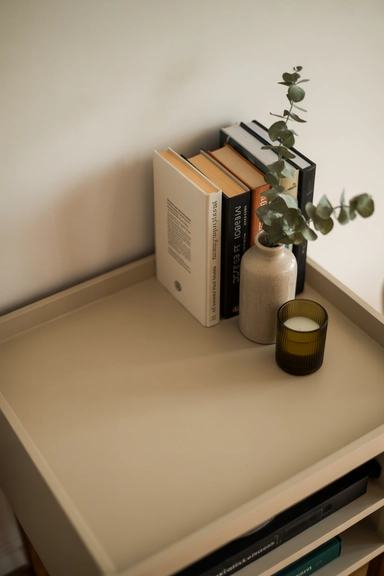
An end table should never feel so styled that it becomes difficult to use. When decor fills every inch, clearing space for a drink, book, or device becomes inconvenient. Living room end table decor ideas work best when the surface can be cleared quickly without disrupting the overall look. This usually means limiting decor to one side or keeping items easy to lift and move.
A flexible surface supports everyday living. When the table can adapt easily, it remains practical rather than purely decorative. This balance helps the living room feel comfortable and lived-in while still maintaining a tidy, intentional appearance.
22. Choose Decor That Feels Calm From Multiple Angles
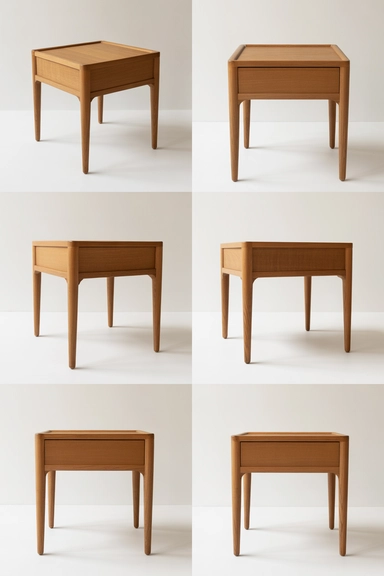
End tables are viewed from several angles throughout the room, not just from the sofa. Decor that looks balanced from one direction but cluttered from another can disrupt the flow of the space. Living room end table decor ideas benefit from arrangements that feel calm and composed from all viewpoints.
Choosing simple shapes and controlled heights helps maintain consistency. When decor reads clearly from different angles, the table integrates more smoothly into the room. This approach prevents visual distractions and keeps the seating area feeling open and cohesive.
23. Stop Styling Before the Table Feels Full
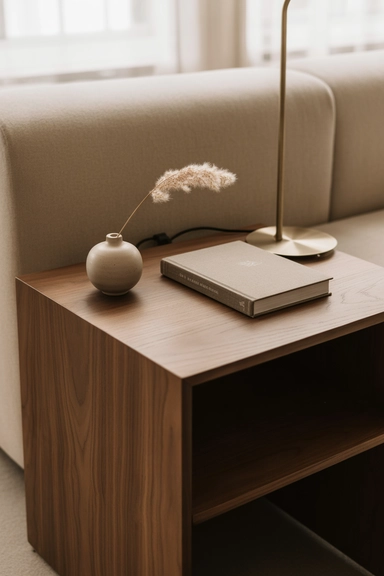
One of the most effective ways to avoid clutter is to stop adding decor before the table feels complete. When an end table looks finished but still has space, it usually means the balance is right. Living room end table decor ideas succeed when restraint guides the final decision rather than the urge to fill empty areas.
Stopping early creates breathing room. It allows the table to feel intentional without becoming busy. This mindset helps maintain a calm, polished look that supports the living room instead of overwhelming it.
Conclusion
Living room end table decor ideas are most successful when they focus on balance, purpose, and restraint. By controlling scale, height, color, and quantity, end tables can feel styled without becoming cluttered. These ideas emphasize clarity over decoration, allowing the table to remain functional and visually calm. When end table decor is edited regularly and chosen with intention, it quietly enhances the seating area and supports a comfortable, well-composed living room overall.