20 Traditional Living Room Decor Ideas for Timeless, Elegant Homes
Introduction
Traditional living room decor ideas are rooted in balance, symmetry, and a sense of permanence that goes beyond trends. This style values craftsmanship, classic proportions, and thoughtful layering to create spaces that feel refined yet comfortable. Rather than relying on bold statements, traditional interiors build depth through materials, furniture placement, and subtle decorative detail. When designed well, a traditional living room feels orderly without being rigid, elegant without being formal. The focus remains on creating a welcoming environment that supports everyday living while maintaining a polished, enduring aesthetic—an approach that also connects naturally with French country living room decor ideas that emphasize warmth and timeless charm
1. Symmetrical Layouts That Create Visual Order
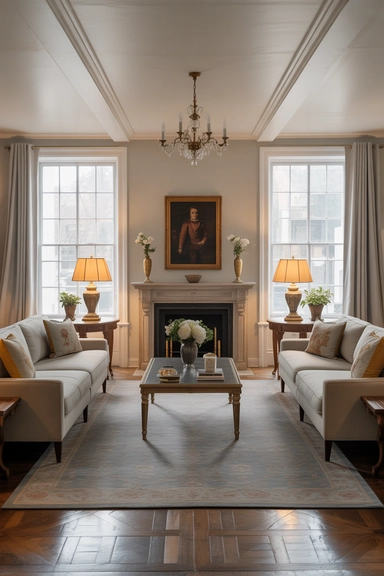
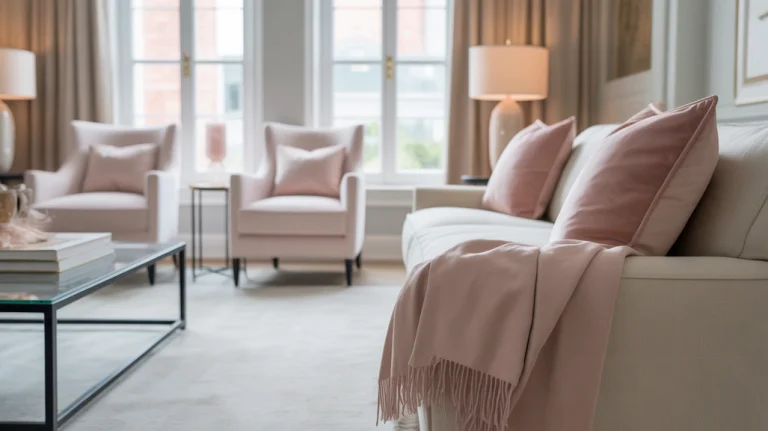
Symmetry is a defining principle in traditional living room decor ideas, helping the space feel calm and well-structured. Matching sofas, paired armchairs, or evenly spaced side tables establish balance and guide the eye naturally across the room. This sense of order makes the space feel intentional rather than casually arranged.
Symmetry does not mean rigidity. Small variations in texture or accessory placement keep the room from feeling overly formal. Lamps, artwork, and seating should mirror each other in scale rather than exact detail. When symmetry is used thoughtfully, it creates harmony while still allowing the room to feel warm and livable.
2. Classic Furniture With Refined Silhouettes
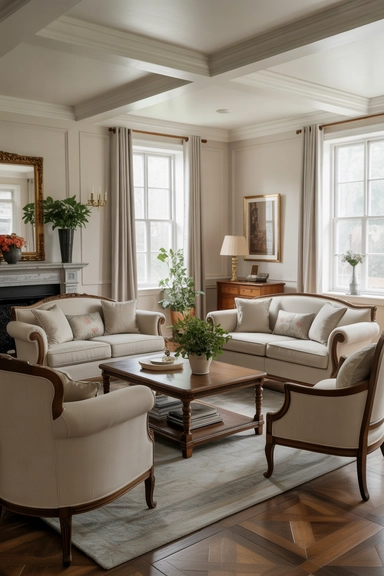
Furniture in traditional living room decor ideas is defined by timeless shapes and careful proportions. Rolled arms, gently curved backs, and solid wood frames contribute to a sense of permanence. These pieces feel substantial without overwhelming the space when scaled correctly.
Upholstery choices should emphasize comfort and durability. Neutral fabrics, subtle patterns, or soft textures work best to support long-term use. Avoid overly ornate detailing that can feel heavy. When furniture silhouettes are refined and well-proportioned, they anchor the room and allow decorative elements to evolve naturally over time.
3. Traditional Living Room Decor Ideas Using Rich Wood Tones
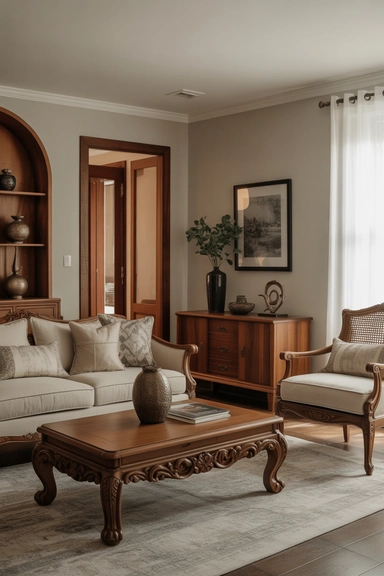
Wood plays a central role in traditional living room decor ideas, adding warmth and visual depth. Medium to dark wood tones often appear in furniture frames, coffee tables, and case goods. These finishes ground the space and reinforce its classic character.
Consistency matters more than variety. Repeating similar wood tones throughout the room creates cohesion and avoids visual fragmentation. Accents such as carved legs or subtle detailing add interest without excess. When wood is used with restraint, it enhances elegance while keeping the living room approachable and balanced.
4. Neutral Color Palettes With Subtle Warmth
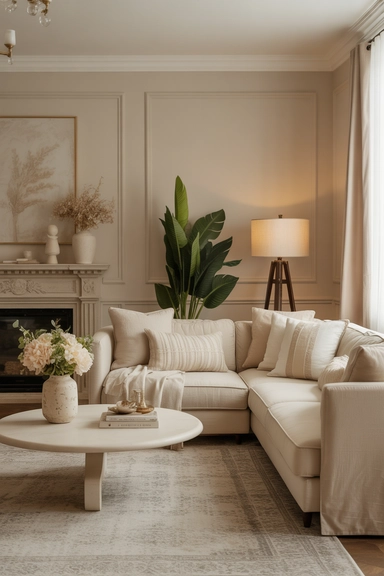
Traditional living room decor ideas favor neutral palettes that feel layered rather than flat. Creams, warm beiges, soft taupes, and muted grays create a calming backdrop for furniture and decor. These tones allow architectural details and textures to stand out naturally.
Depth comes from variation within the palette. Mixing lighter and darker neutrals across walls, upholstery, and textiles prevents monotony. Avoid stark contrasts or overly cool tones. When color is handled subtly, the living room feels cohesive, welcoming, and visually timeless.
5. Layered Textiles for Comfort and Elegance
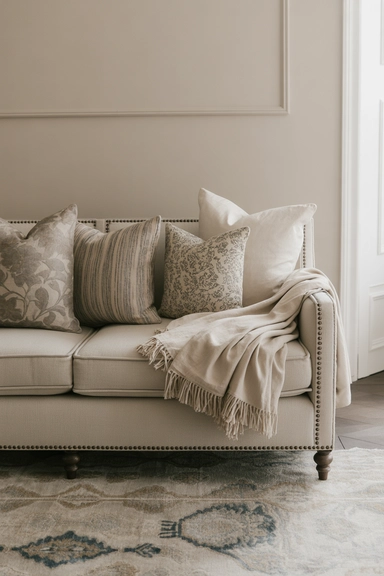
Textiles bring softness and comfort to traditional living room decor ideas while reinforcing their layered appearance. Area rugs, cushions, and upholstered seating work together to create warmth and visual richness. Patterns, if used, should be classic and understated rather than bold.
Balance is key. Too many textiles can feel heavy, while too few can make the space appear incomplete. Stick to coordinated fabrics that share similar tones or motifs. When textiles are layered thoughtfully, they enhance comfort without distracting from the room’s overall structure.
6. Thoughtful Lighting That Feels Warm and Balanced
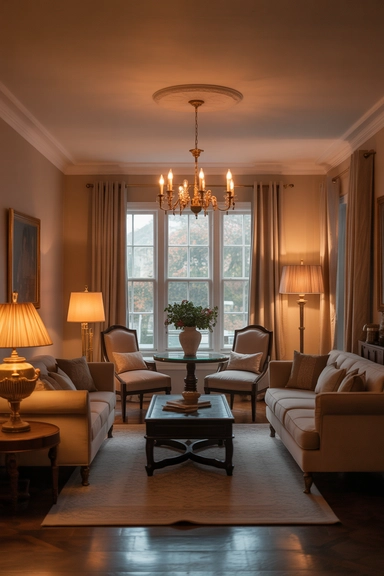
Lighting in traditional living room decor ideas should support the room’s sense of elegance and order. Table lamps, floor lamps, and chandeliers with classic forms create a warm, even glow. Harsh or overly modern fixtures can disrupt the traditional feel.
Layered lighting ensures both function and atmosphere. Ambient light establishes brightness, while accent lighting highlights seating areas and decor. Warm light temperatures soften materials and finishes. When lighting is carefully planned, it enhances comfort and reinforces the timeless quality of the space.
7. Traditional Living Room Decor Ideas Built on Balanced Proportions
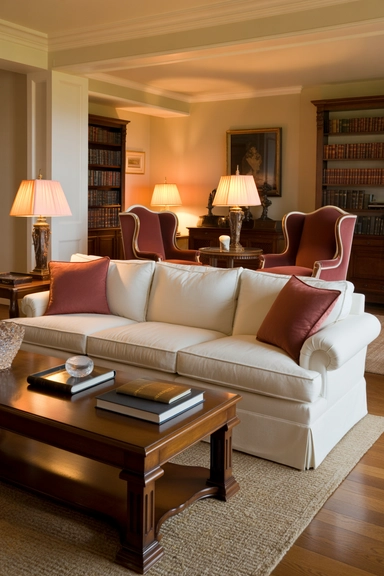
Proportion is what separates well-designed traditional living room decor ideas from spaces that feel heavy or outdated. Furniture size, ceiling height, and room width must work together so nothing feels oversized or visually cramped. Traditional interiors rely on harmony between elements rather than dramatic contrast, which makes proportion especially important.
Large sofas should be balanced with substantial coffee tables, while smaller rooms benefit from scaled-down silhouettes with similar detailing. Visual weight should feel evenly distributed across the room. When proportion is handled carefully, the living room feels composed and elegant instead of crowded or overly formal.
8. Elegant Window Treatments That Frame the Room
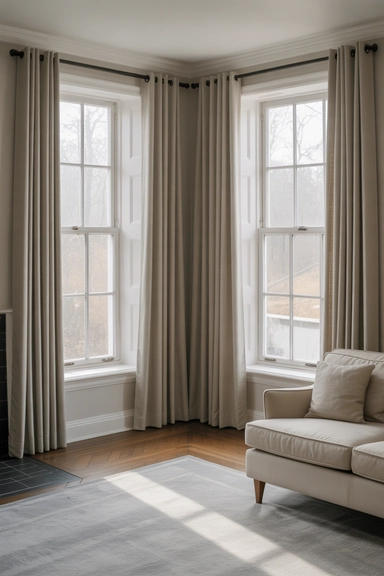
Window treatments play a structural role in traditional living room decor ideas, acting as visual frames rather than decorative afterthoughts. Drapery should extend from near the ceiling to the floor to emphasize height and create a sense of refinement. Fabrics like linen blends, cotton, or subtle jacquards work well without feeling ornate.
Color and pattern should remain understated. Neutral or softly patterned curtains allow furniture and architectural elements to remain the focus. Hardware should feel classic and proportional. When window treatments are chosen with intention, they enhance symmetry and reinforce the room’s polished appearance.
9. Wall Decor That Feels Structured and Intentional
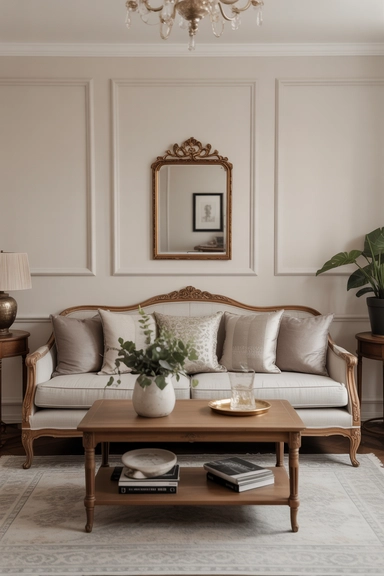
Wall decor in traditional living room decor ideas should support the room’s order rather than compete with it. Artwork, mirrors, or paneling work best when centered and aligned with furniture placement. This alignment reinforces symmetry and helps the room feel thoughtfully arranged.
Large-scale pieces are often more effective than clusters of smaller items. Frames should feel classic and consistent in tone. Leaving some wall space open prevents visual overload. When wall decor is structured and restrained, it adds elegance without disrupting the room’s calm rhythm.
10. Storage Pieces That Add Character Without Clutter
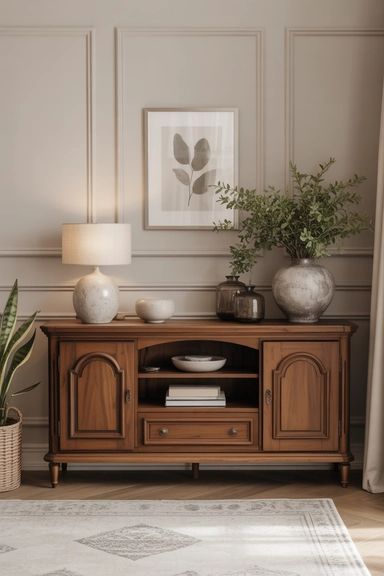
Traditional living room decor ideas often incorporate storage furniture that doubles as design elements. Sideboards, consoles, and display cabinets add depth and function while reinforcing the room’s classic feel. These pieces should feel substantial but not bulky.
Closed storage is especially important for maintaining visual order. Wood finishes, paneled fronts, or subtle detailing add interest without ornamentation. Placement should respect symmetry and circulation paths. When storage is thoughtfully integrated, the living room remains organized and visually balanced.
11. Area Rugs That Anchor and Define Seating
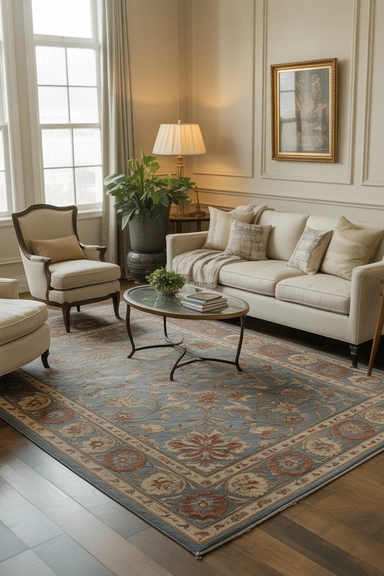
Area rugs are essential in traditional living room decor ideas because they ground furniture arrangements and add warmth. Rugs should be large enough to fit under key seating pieces, creating a unified layout rather than floating elements. Patterns, if used, should be classic and muted.
Material choice affects both comfort and durability. Wool or blended fibers work well for long-term use. Colors should complement the room’s palette without dominating it. When rugs are scaled and placed correctly, they reinforce structure and improve overall cohesion.
12. Decorative Accents Used With Restraint
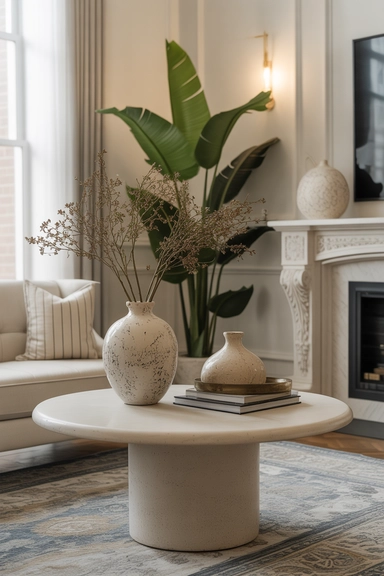
Decorative accents in traditional living room decor ideas should feel purposeful rather than ornamental. Objects such as lamps, books, ceramics, or trays add layers when chosen carefully. The goal is to enhance the room’s character without creating visual noise.
Grouping accents in small, balanced arrangements works better than spreading many items throughout the space. Materials should echo those used elsewhere in the room. When accents are limited and intentional, they support elegance while keeping the living room refined and comfortable.
13. Traditional Living Room Decor Ideas With Timeless Color Pairings
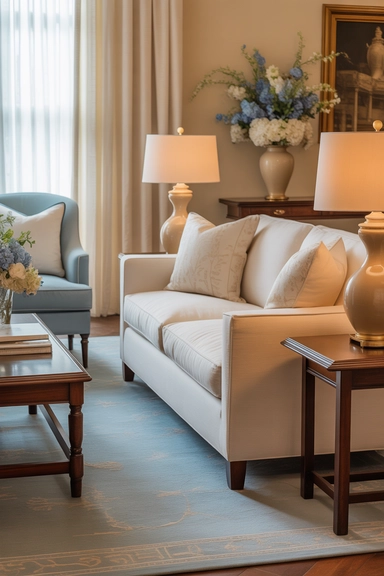
Color in traditional living room decor ideas is used to reinforce harmony rather than create contrast. Timeless pairings such as cream and taupe, soft gray and warm beige, or muted blue with ivory help the room feel settled and composed. These combinations age well and support long-term flexibility in decor.
The key is balance across surfaces. Walls, upholstery, and textiles should share related undertones so nothing feels disconnected. Accent colors work best when repeated subtly through cushions, artwork, or rugs. When color choices feel coordinated rather than decorative, the living room maintains its refined, enduring appeal.
14. Coffee Tables and Side Tables With Classic Presence
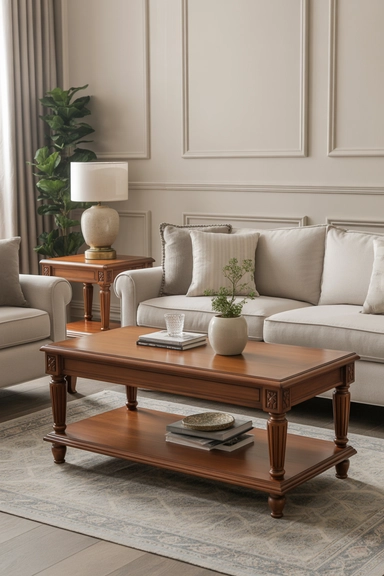
Tables play a central role in traditional living room decor ideas by anchoring seating and reinforcing proportion. Coffee tables and side tables should feel substantial enough to hold the arrangement together without appearing bulky. Wood, stone, or wood-and-metal combinations with classic profiles work particularly well.
Shape matters as much as material. Rectangular or oval tables often suit traditional layouts, especially when aligned with seating symmetry. Decorative styling should remain minimal and purposeful. When tables are chosen with scale and function in mind, they support both daily use and visual balance.
15. Seating That Prioritizes Comfort and Structure
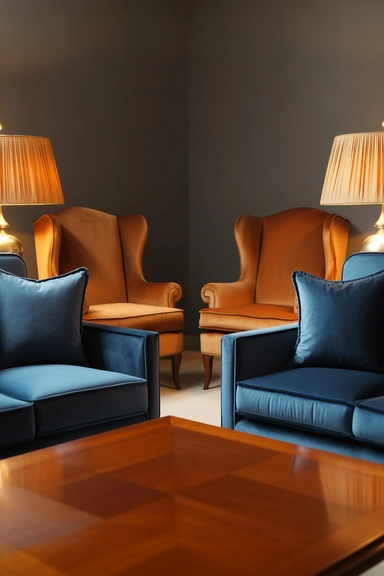
Comfort is essential in traditional living room decor ideas, but it should never compromise structure. Seating should feel supportive, with cushions that hold their shape and frames that provide visual stability. Sofas and chairs with classic arms and well-defined backs help maintain order within the layout.
Arrangement reinforces comfort. Seating should encourage conversation while respecting symmetry and circulation. Avoid pushing furniture too far apart or overcrowding the space. When seating feels structured yet inviting, the living room supports everyday use without losing its composed character.
16. Artwork and Mirrors Used to Reinforce Symmetry
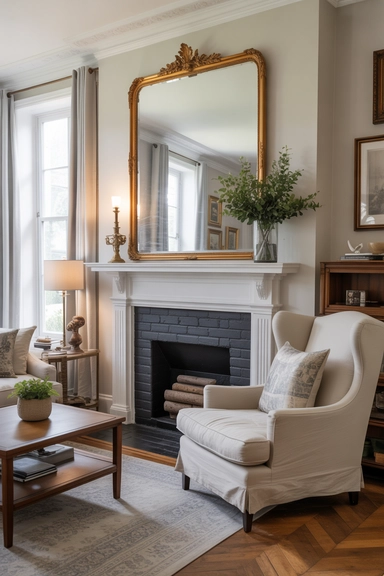
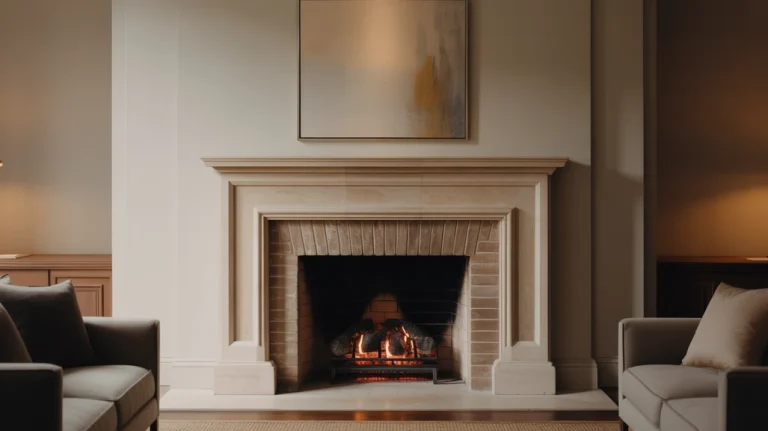
Artwork and mirrors in traditional living room decor ideas are most effective when they reinforce balance. Centered placement above sofas, fireplaces, or consoles creates visual alignment and strengthens the room’s structure. Oversized pieces often work better than multiple small items scattered across the walls.
Frames should feel classic and cohesive with other finishes in the room. Mirrors can also enhance light while maintaining formality when placed symmetrically. When wall elements are positioned with intention, they contribute to the room’s elegance rather than acting as standalone features.
17. Subtle Pattern Mixing That Feels Refined
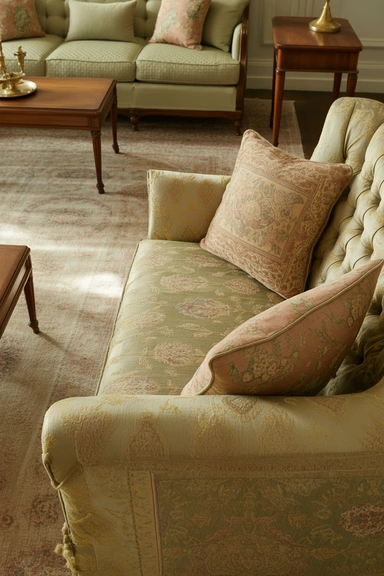
Patterns can add richness to traditional living room decor ideas when handled with restraint. Stripes, florals, or geometric motifs should remain muted and complementary rather than bold. Mixing patterns works best when they share a similar color palette or scale.
Patterns are most effective when distributed thoughtfully across rugs, cushions, or upholstery rather than concentrated in one area. This creates visual interest without overwhelming the room. When pattern mixing is subtle and controlled, it enhances depth while preserving the room’s calm, polished feel.
18. A Layout That Encourages Order and Flow
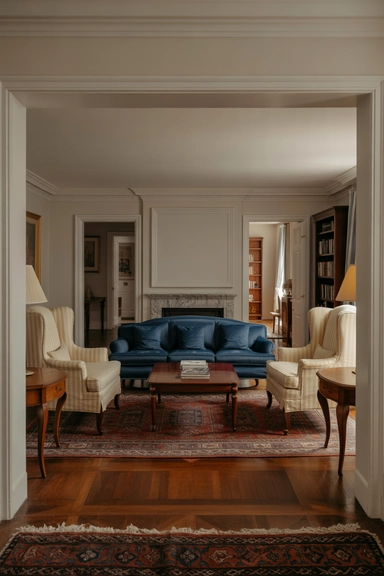
Traditional living room decor ideas depend on layouts that feel orderly while supporting natural movement. Furniture should be arranged to create clear pathways and well-defined seating zones. This prevents the room from feeling either rigid or awkwardly spaced.
Symmetry often guides placement, but flexibility is still important. The layout should respond to the room’s architecture and how it is used daily. When order and flow are balanced, the living room feels composed, functional, and comfortable over time.
19. Traditional Living Room Decor Ideas That Age With Grace
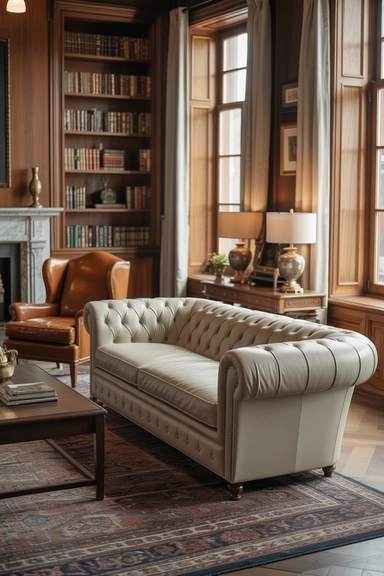
One of the defining strengths of traditional living room decor ideas is their ability to remain relevant as years pass. By relying on classic proportions, neutral palettes, and quality materials, these spaces avoid feeling tied to a specific moment in time. This longevity allows homeowners to update accessories or textiles without reworking the entire room.
Durability plays a role here as well. Solid wood furniture, well-constructed upholstery, and timeless finishes maintain their appeal even with daily use. When a living room is designed to age gracefully, it feels dependable and composed rather than temporary or trend-driven.
20. Cohesive Design That Supports Everyday Living
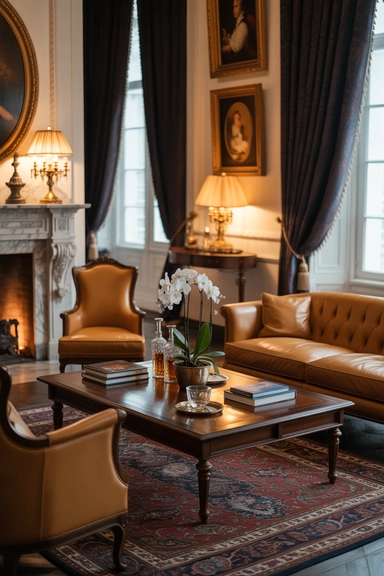
The most successful traditional living room decor ideas prioritize cohesion across every element. Furniture, lighting, textiles, and decor should feel connected through consistent scale, tone, and material choices. Nothing should stand out unnecessarily or feel unrelated to the overall design.
At the same time, the room must support everyday life. Seating should be comfortable, layouts practical, and surfaces functional. When cohesion and usability work together, the living room becomes a space that feels polished yet genuinely livable, supporting both quiet routines and shared moments.
Conclusion
Traditional living room decor ideas offer a thoughtful approach to creating spaces that feel elegant, balanced, and enduring. By focusing on symmetry, proportion, and classic materials, this style builds comfort without sacrificing structure. Rather than chasing trends, traditional interiors rely on cohesion and quality to remain relevant over time. When each element is chosen with intention and allowed to work together, the living room becomes a welcoming environment that supports daily life while maintaining a refined, timeless character.