22 Living Room Focal Point Ideas That Make the Room Feel Complete
Introduction
Living room focal point ideas are not about decoration alone; they are about creating visual order. A living room without a clear focal point often feels unsettled, even when it contains good furniture and finishes, because the eye has no clear place to rest. A focal point establishes hierarchy, helping the room feel intentional rather than loosely assembled. When the focal point aligns with how the space is used and viewed, it naturally guides furniture placement, lighting decisions, and decorative restraint—principles that connect closely with living room layout ideas that feel balanced and functional. The result is a living room that feels balanced, resolved, and complete instead of visually scattered.
1. Using the Sofa Wall as the Primary Visual Anchor
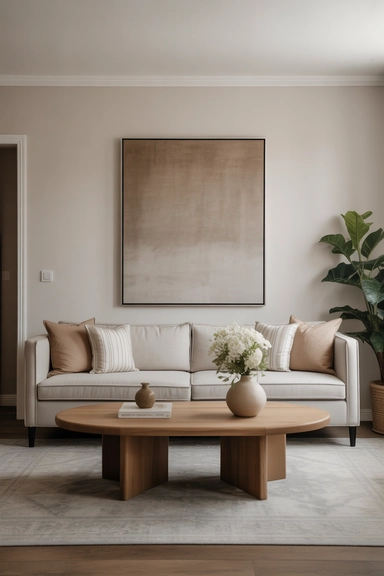
In many living rooms, the wall behind the main sofa naturally sits at the center of attention because it falls directly within the primary line of sight. Treating this wall intentionally prevents the room from feeling directionless. When the sofa wall is visually grounded, the rest of the layout gains clarity, making furniture placement feel deliberate rather than improvised.
The key is scale and restraint. Any focal treatment on this wall should relate directly to the width and height of the sofa, not exceed it. Large artwork, a mirror, or a controlled composition works best when it supports the seating rather than competes with it. Once this wall is established as the anchor, the living room immediately feels more structured.
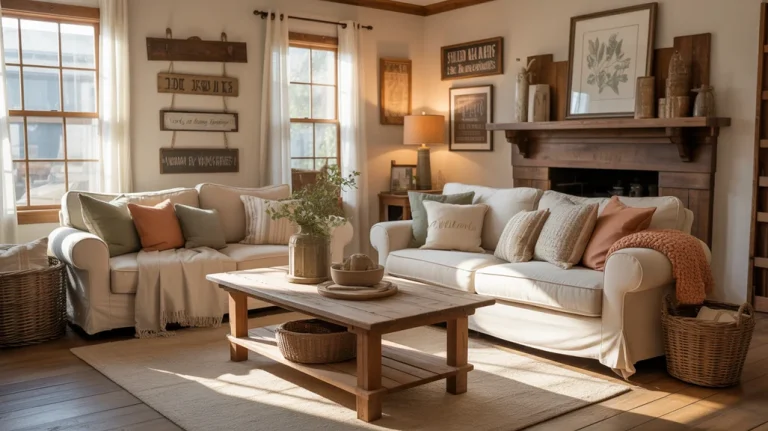
2. Letting a Fireplace Naturally Define the Center of the Room
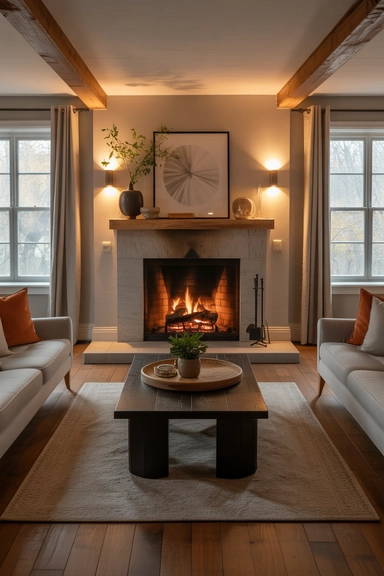
A fireplace already carries architectural authority, which makes it one of the strongest natural focal points in a living room. When the fireplace is acknowledged rather than ignored, it brings instant order to the space. Seating arrangements that face or subtly orient toward the fireplace reinforce its role and help the room feel grounded.
Overdecorating the fireplace area often weakens its impact. One well-proportioned element above the mantel supports the focal point better than layered accessories. When the fireplace is treated as the visual center instead of a background feature, the room gains hierarchy, making the entire space feel calmer and more resolved.
3. Creating a Focal Point With Oversized Artwork
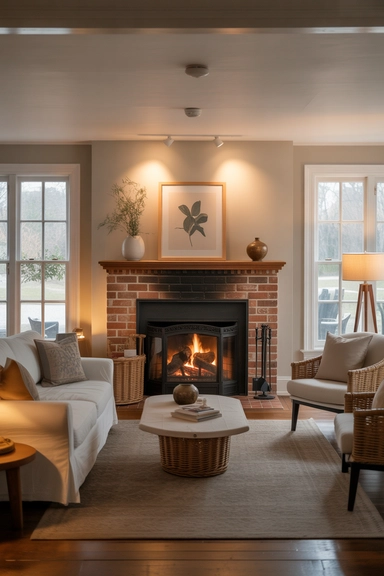
Oversized artwork works exceptionally well as a focal point because it establishes scale immediately. Instead of scattering attention across multiple smaller pieces, one large artwork gives the eye a clear destination. This approach is especially effective in living rooms without fireplaces or built-in features.
The artwork should feel integrated with the furniture below it rather than floating independently. Proportion matters more than style; the piece should neither overwhelm nor disappear. When oversized art is used intentionally, it simplifies the room visually and helps every other element fall into place more easily.
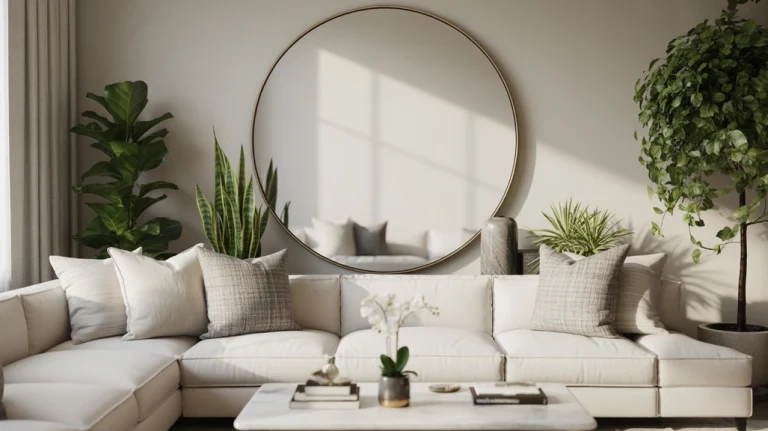
4. Using a Large Mirror to Add Focus and Depth
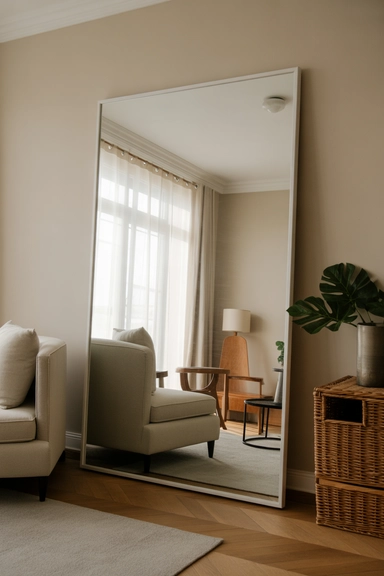
A large mirror can serve as a focal point while also improving light and spatial perception. In living rooms that lack strong architectural features, a mirror provides both visual interest and function. When positioned correctly, it adds depth and creates a sense of openness without requiring additional decor.
The mirror should have enough presence to stand on its own. Thin frames or overly decorative designs often weaken the focal effect. When a mirror is chosen with scale and placement in mind, it anchors the room visually and helps it feel complete rather than unfinished.
5. Allowing the Television to Act as a Controlled Focal Point
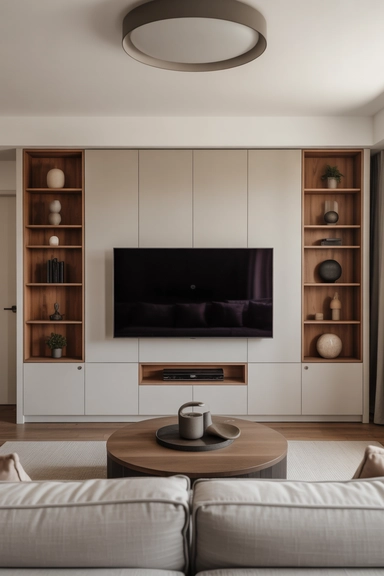
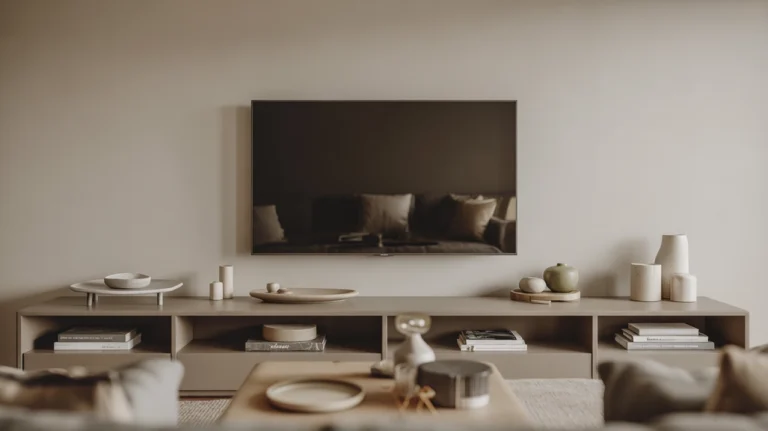
In many homes, the television inevitably becomes the focal point, whether planned or not. Treating it deliberately prevents it from overpowering the room. When the television is integrated thoughtfully into the layout, it can anchor the space without dominating it visually.
This requires discipline around scale, placement, and surrounding elements. Media consoles, subtle wall treatments, or built-ins help the television feel intentional. Avoiding excessive decor around it reduces visual noise. When the TV is acknowledged as a focal point instead of hidden awkwardly, the living room feels honest, functional, and complete.
6. Using a Statement Light Fixture to Establish Visual Hierarchy
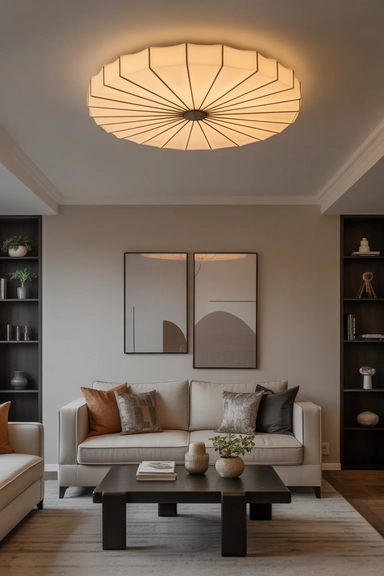
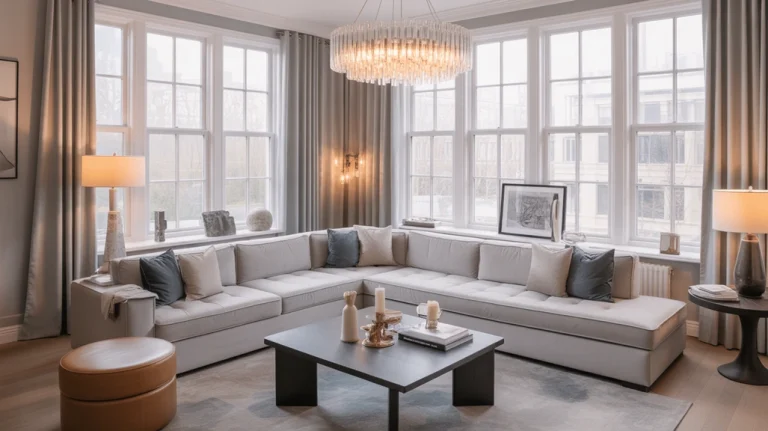
A statement light fixture can act as a focal point when it is properly scaled and positioned. In rooms with higher ceilings or open layouts, lighting naturally draws the eye upward, helping define the room’s center. A well-chosen fixture gives the space structure without relying on walls or furniture.
The fixture should complement the room rather than demand attention on its own. When scale, material, and placement align with the overall design, the light fixture becomes a unifying element. This overhead focal point helps the living room feel cohesive and thoughtfully designed.
7. Making Built-In Shelving the Visual Center
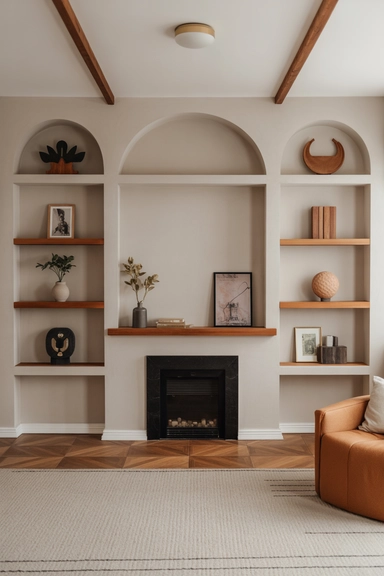
Built-in shelving naturally attracts attention because it introduces structure and depth that freestanding furniture cannot. When shelving frames a wall or anchors one side of the living room, it establishes a strong focal point that feels architectural rather than decorative. This works especially well in rooms that lack fireplaces or large windows, where visual weight is needed to ground the space.
The focal strength comes from the structure itself, not from filling every shelf. Leaving negative space allows the built-ins to read clearly and avoids visual overload. When styled with restraint, built-in shelving brings order and permanence to the room, making it feel complete rather than loosely arranged.
8. Highlighting Existing Architectural Features
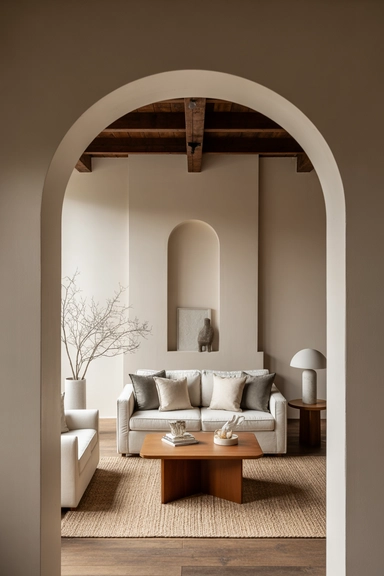
Many living rooms already contain architectural details that can serve as focal points but are often overlooked. Exposed beams, columns, alcoves, or distinctive ceiling lines provide natural visual interest without adding new elements. Emphasizing these features brings authenticity and character to the room.
Lighting, subtle contrast, or simplified surrounding decor can help these features stand out. The goal is not to decorate around them excessively, but to let them lead visually. When architectural elements are treated as focal points, the living room feels grounded and intentional because the emphasis comes from what already belongs to the space.
9. Using a Bold Area Rug to Anchor the Layout
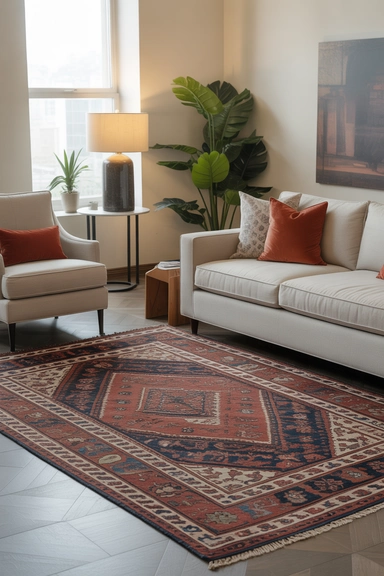
A bold area rug can function as a focal point by anchoring furniture and defining the living room’s center. This approach works well in open or neutral spaces where walls are kept simple. The rug draws the eye downward and gives structure to seating arrangements that might otherwise feel scattered.
Correct sizing is essential. The rug should connect major furniture pieces rather than isolate them. When the rug carries visual weight through color, pattern, or texture, other decor can remain restrained. This balance helps the room feel cohesive and visually settled.
10. Centering the Room Around a Coffee Table With Presence
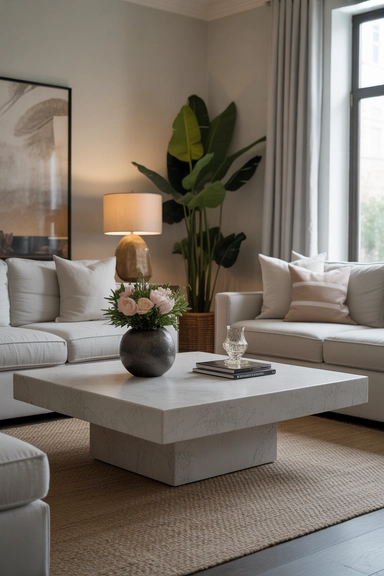
The coffee table often sits at the heart of the living room, making it a natural candidate for a focal point. When chosen with strong proportions or distinctive material, it anchors the layout without relying on wall-based features. This works particularly well in rooms where walls are intentionally minimal.
The table’s scale should relate to the surrounding seating to avoid feeling undersized or intrusive. Simple styling reinforces its presence rather than distracting from it. When the coffee table acts as the focal point, furniture placement feels more intentional and the room gains a clear center.
11. Using a Feature Wall to Establish Visual Hierarchy
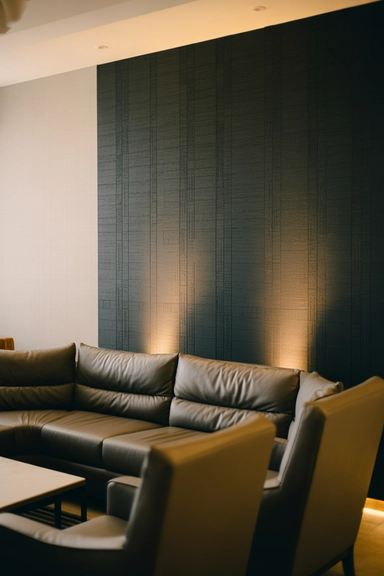
A feature wall works as a focal point when it is treated as a single moment of emphasis rather than one of many competing surfaces. Subtle color shifts, texture, or material changes help differentiate the wall without overwhelming the room. This creates hierarchy and gives the eye a place to land.
The feature wall should align with the room’s main seating or viewing direction. When it supports the layout, it reinforces structure rather than acting as decoration alone. A well-executed feature wall adds clarity and makes the living room feel deliberately composed.
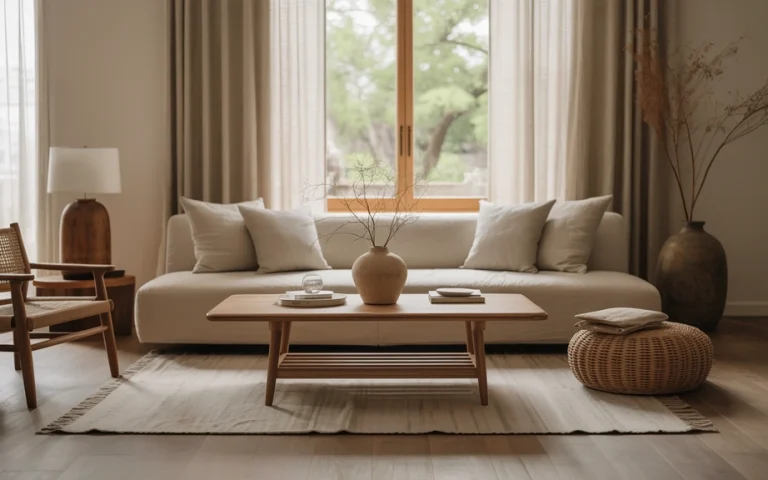
12. Letting Large Windows Act as the Focal Point
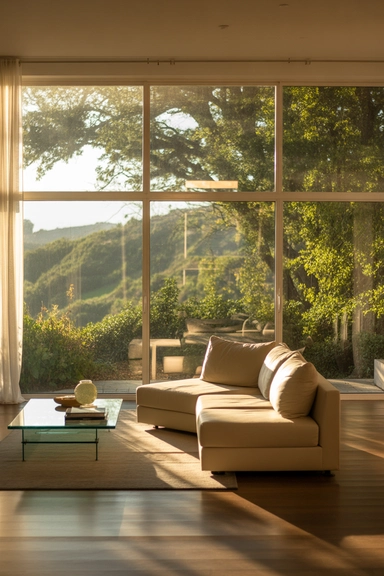
In living rooms with large or well-positioned windows, the view itself can become the focal point. Natural light and outdoor scenery provide visual interest that no added decor can replicate. When windows lead visually, furniture placement should respect sightlines rather than block them.
Window treatments should remain minimal so they do not compete with the view. This approach creates openness and calm, especially in rooms where natural light is abundant. Allowing windows to act as the focal point helps the room feel balanced and complete.
13. Creating a Focal Point With a Gallery Wall
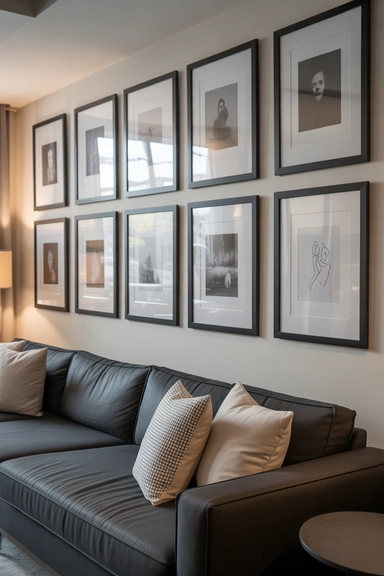
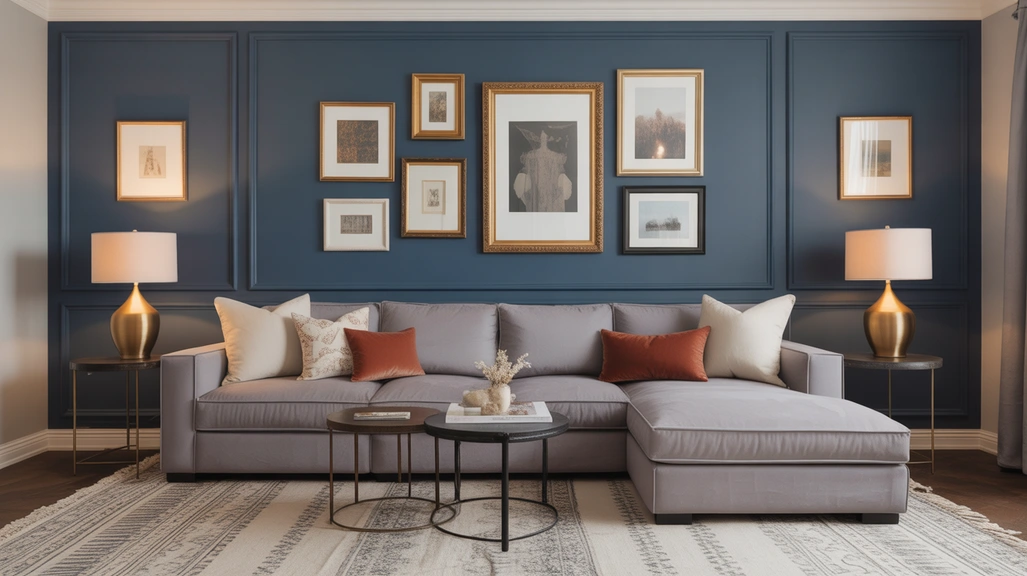
A gallery wall can function as a focal point when it is cohesive and thoughtfully composed. Instead of filling a wall randomly, grouping artwork with consistent spacing and related tones creates a unified visual statement. The focal effect comes from composition rather than quantity.
Scale matters. The gallery should relate proportionally to the furniture below it so it feels anchored rather than floating. When planned carefully, a gallery wall adds personality while still giving the room a clear visual center.
14. Using Texture as the Primary Visual Focus
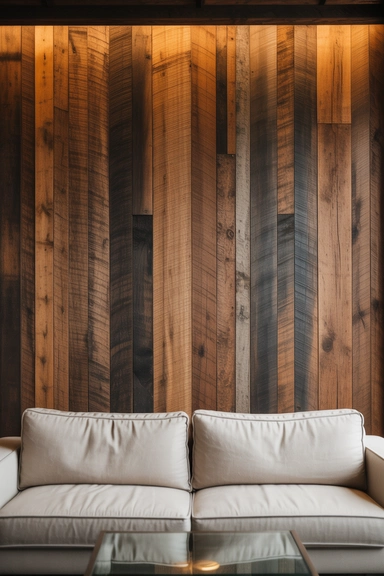
Texture can act as a focal point even in rooms with neutral color palettes. Materials such as stone, wood paneling, or textured plaster draw attention through depth rather than color. This approach adds interest without introducing visual noise.
Lighting plays an important role in supporting textural focal points. Soft, angled light enhances depth and shadow without overpowering the surface. When texture leads visually, the living room feels layered and complete without relying on bold decorative elements.
15. Anchoring the Room With a Statement Furniture Piece
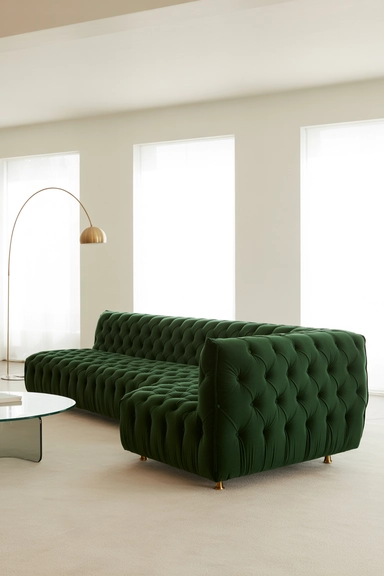
A single statement furniture piece can act as a powerful focal point when it carries enough visual weight to organize the room around it. This is not about choosing something trendy or decorative, but selecting a piece with strong form, proportion, or material presence. A distinctive sofa, sculptural chair, or substantial console can give the room a clear center of gravity.
For this approach to work, surrounding furniture must step back visually. Supporting pieces should be quieter in color and form so the focal piece can lead. When one furniture element is given room to breathe, the living room gains hierarchy and feels intentionally composed rather than crowded.
16. Highlighting the Ceiling as an Unexpected Focal Point
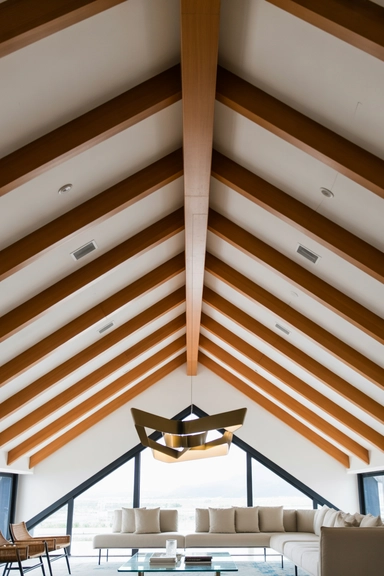
Ceilings are often overlooked, yet they offer an opportunity to create a focal point without competing with furniture or walls. Beams, subtle ceiling color shifts, wood paneling, or a thoughtfully scaled light fixture can draw the eye upward and add dimension to the room. This works especially well when wall space is limited or already visually active.
The ceiling focal point should feel integrated, not decorative for its own sake. When ceiling treatment aligns with the room’s proportions and style, it enhances balance. This upward emphasis can make the living room feel taller, more complete, and architecturally resolved.
17. Using Symmetry to Reinforce the Focal Area
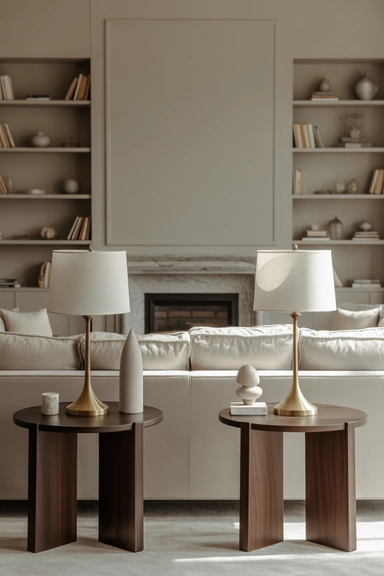
Symmetry naturally creates visual stability, which makes it an effective tool for reinforcing a focal point. Matching lamps, chairs, shelving, or decor placed on either side of a focal element strengthen its presence and guide the eye toward it. This technique works particularly well around fireplaces, sofa walls, or feature walls.
Symmetry should be controlled to avoid stiffness. The goal is balance, not rigidity. When used selectively around the focal area, symmetry helps the living room feel organized and settled, giving the space a sense of calm completion rather than visual tension.
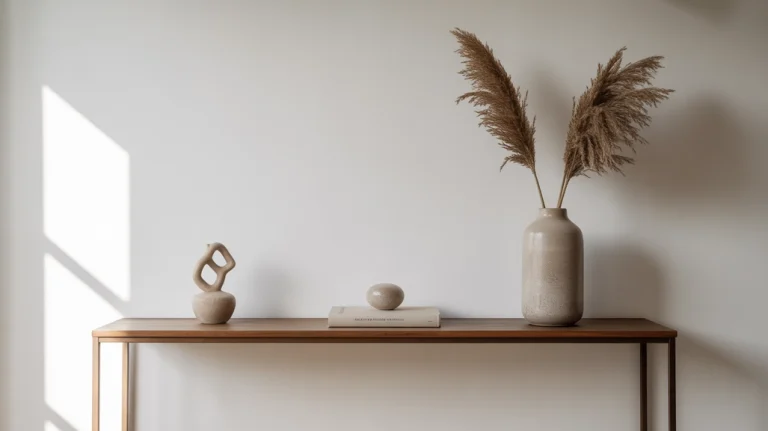
18. Allowing Negative Space to Frame the Focal Point
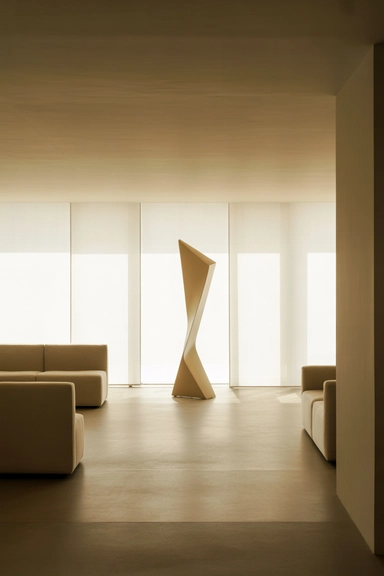
A focal point loses strength when it is surrounded by too many competing elements. Negative space plays a critical role in allowing the focal feature to stand out clearly. Leaving surrounding walls, surfaces, or areas intentionally open gives the eye room to rest and recognize hierarchy.
Negative space is not emptiness; it is a framing device. By simplifying what surrounds the focal point, its impact increases without adding anything new. This restraint often separates well-designed rooms from overdecorated ones and helps the living room feel resolved rather than visually noisy.
19. Using Lighting to Direct Attention With Intention
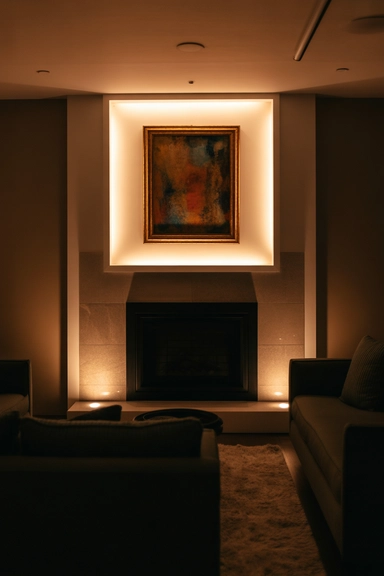
Lighting is one of the most effective tools for reinforcing a focal point because it controls where the eye naturally travels. Accent lighting, picture lights, or directional lamps can subtly highlight the main feature without overpowering the room. This guidance feels natural and does not require bold decor.
Lighting should support the focal point, not compete with it. Soft, controlled illumination enhances depth and presence. When lighting is used intentionally to guide attention, the living room gains clarity and visual flow, making the focal area feel deliberate and complete.
20. Avoiding Multiple Competing Focal Points
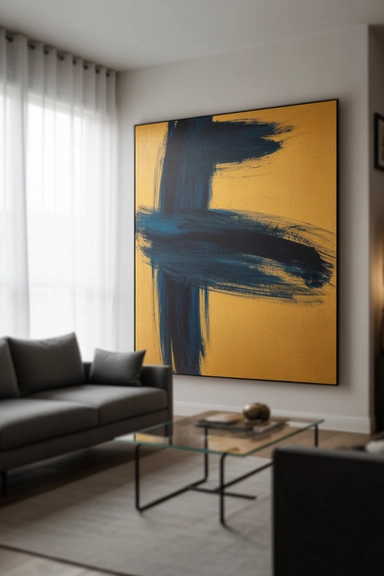
One of the most common mistakes in living room design is creating too many focal points. When multiple elements demand attention, none of them succeed. The room feels restless because the eye has no clear hierarchy to follow. A living room should have one primary focal point and, at most, a secondary supporting feature.
Editing is essential here. Removing or simplifying secondary elements allows the main focal point to lead. This restraint brings calm and cohesion, helping the room feel balanced rather than visually fragmented.
21. Letting the Focal Point Guide Furniture Placement
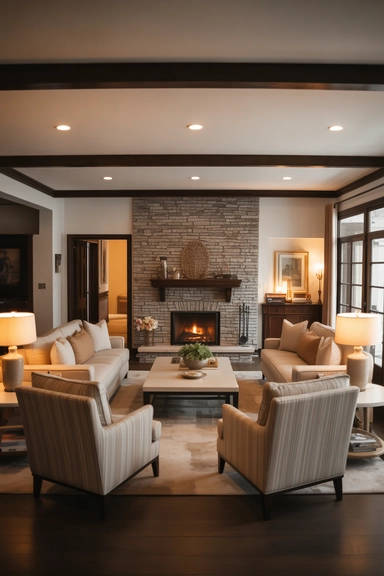
Once a focal point is established, furniture placement becomes more intuitive. Seating should acknowledge the focal feature either directly or indirectly, reinforcing its importance. When furniture ignores the focal point, the room often feels misaligned and uncomfortable.
Orienting seating and circulation around the focal point improves both function and visual flow. This alignment makes the living room feel purposeful and easy to use. When layout decisions follow the focal hierarchy, the space feels complete rather than improvised.
22. Choosing a Focal Point That Matches How the Room Is Used
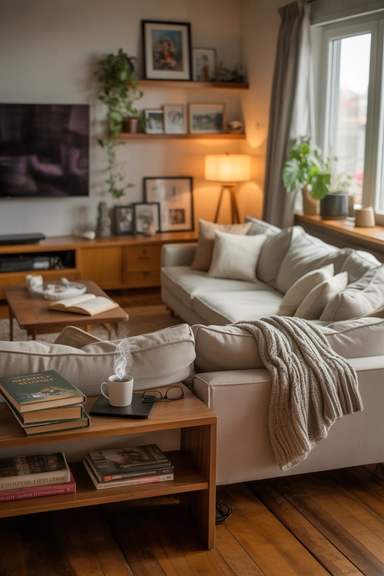
The most effective focal point is one that supports how the living room is actually used. A conversation-focused room may benefit from a seating-centered focal point, while a media-focused space may naturally center around the television. Function should always guide visual hierarchy.
When the focal point aligns with daily use, the room feels natural rather than staged. This connection between function and focus brings everything together, making the living room feel finished, comfortable, and thoughtfully designed.
Conclusion
Living room focal point ideas are about creating order, not decoration. A strong focal point gives the eye direction, helps establish hierarchy, and simplifies every design decision that follows. When one element is allowed to lead visually and is supported with restraint, lighting, and layout, the entire room feels balanced and complete. By choosing a focal point that aligns with function and allowing it space to stand out, a living room moves from visually scattered to intentionally designed.