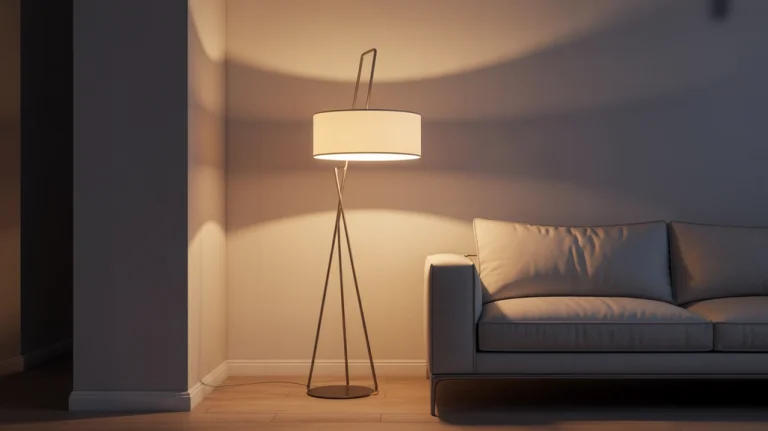
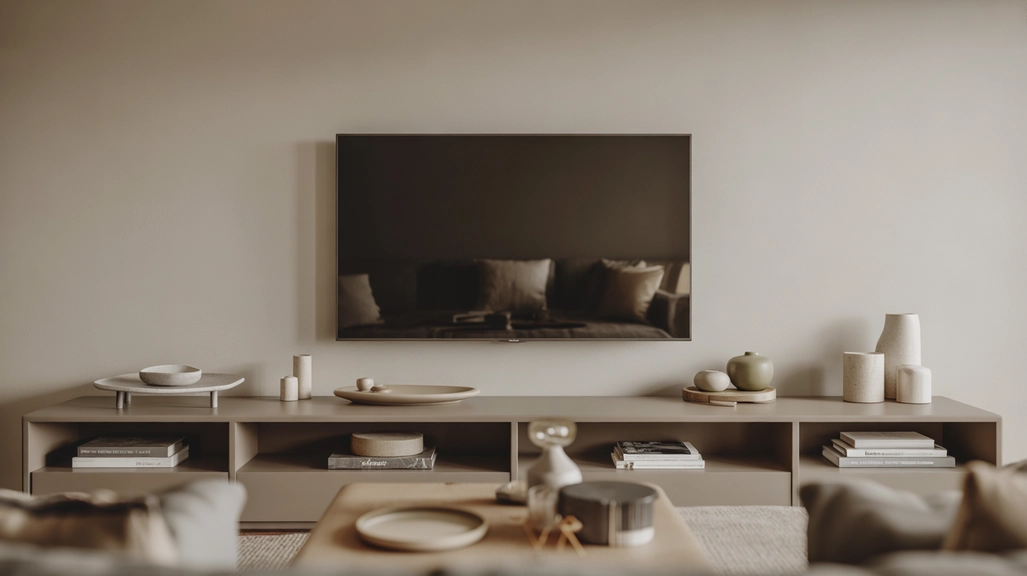
23 Living Room TV Stand Decor Ideas That Don’t Compete With the TV
Introduction
Living room TV stand decor ideas often focus on styling the visual anchor of the space, yet this area is also one of the easiest to overstyle. When decor around the screen feels too busy, the entire room can lose its sense of calm and balance, similar to what happens when wall elements like gallery walls or living room art decor are not carefully proportioned. Thoughtful TV stand styling is less about adding more items and more about controlling proportion, spacing, and visual weight. The ideas below focus on living room TV stand decor that supports the screen rather than fighting it, helping the space feel intentional, grounded, and visually settled instead of cluttered or distracting.
1. Keep the Living Room TV Stand Decor Lower Than the Screen
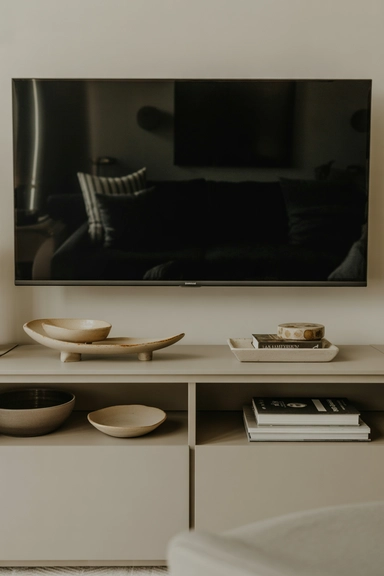
A common mistake in living room TV stand decor is allowing objects to rise too close to the bottom edge of the screen. When decor overlaps the TV’s visual space, the setup starts to feel crowded and visually tense. Keeping decor clearly lower than the screen establishes hierarchy, making it obvious that the TV is the focal point. This spacing also prevents visual competition, especially in rooms where the TV is mounted slightly lower than ideal.
Lower decor creates a calmer viewing experience overall. The eye naturally moves from the grounded elements on the stand up toward the screen without interruption. This approach works particularly well in smaller living rooms, where vertical clutter is more noticeable. Even minimal adjustments in height can dramatically improve balance, making the entire wall feel more intentional and easier to visually process.
2. Use Asymmetry to Avoid a Stiff TV Stand Arrangement
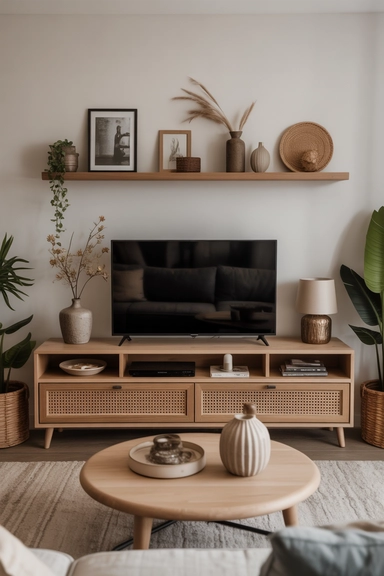
Perfect symmetry around a TV stand can feel rigid and overly formal, especially in casual living rooms. Asymmetrical living room TV stand decor allows for visual interest without overwhelming the space. By placing decor with varied sizes and weights on one side while keeping the opposite side lighter, the setup feels relaxed and natural. This technique works well when the TV itself already provides strong central structure.
Asymmetry also helps prevent repetition fatigue. When both sides of the TV mirror each other too closely, the eye stops engaging with the details. A slightly unbalanced arrangement encourages movement and keeps the setup feeling lived-in rather than staged. The key is maintaining visual balance through scale and spacing rather than exact duplication, which keeps the TV stand visually grounded without feeling forced.
3. Limit Decorative Colors to Support the Screen
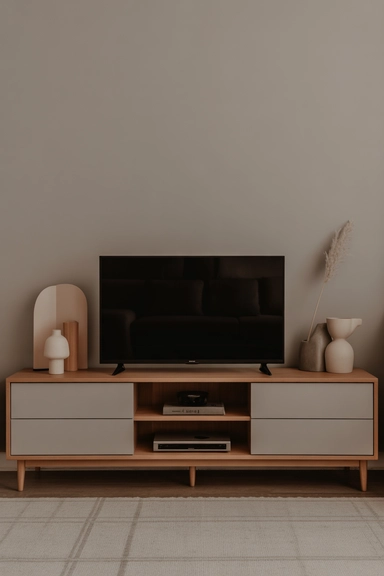
Color overload is one of the fastest ways for living room TV stand decor to compete with the TV. Bright or high-contrast colors placed directly beneath or beside the screen can pull attention away during viewing. Limiting decor to a restrained color palette helps the TV visually recede when not in use and stay dominant when it is on. Neutral, muted, or tone-on-tone decor blends more naturally into the background.
This does not mean the TV stand has to feel dull or flat. Texture, material variation, and subtle tonal shifts can add depth without introducing visual noise. When decor colors echo nearby furniture or wall tones, the entire setup feels cohesive. This approach creates a calmer environment where the TV integrates smoothly instead of feeling like a competing visual element.
4. Use Books Strategically in Living Room TV Stand Decor
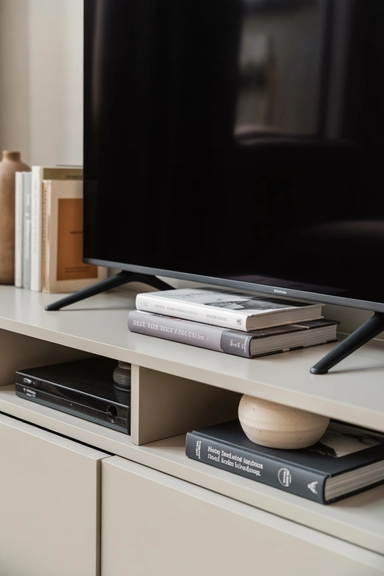
Books are one of the most versatile tools in living room TV stand decor, but they require careful placement. Large, upright stacks can easily compete with the screen if positioned incorrectly. Instead, horizontal book stacks work better beneath the TV, creating visual weight without vertical distraction. Books also provide a stable base for smaller decor pieces, helping anchor the arrangement.
Choosing books with neutral spines or subtle covers further reduces visual noise. The goal is to use books as structure rather than focal points. When placed thoughtfully, they introduce texture and depth while keeping attention where it belongs. Books should support the TV stand composition, not demand separate attention or disrupt the viewing experience.
5. Create Breathing Room Between Decor Groups
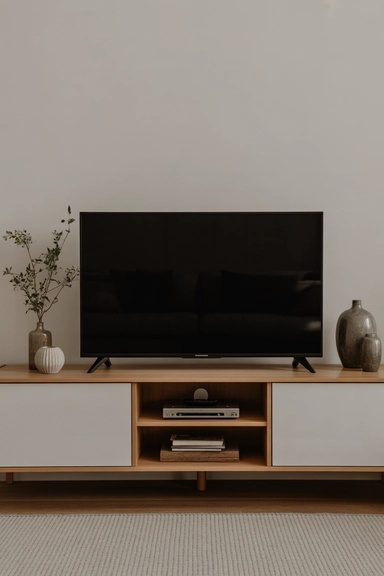
Crowding is a common issue with living room TV stand decor, even when individual items are attractive. Grouping decor too tightly creates visual clutter that competes with the TV. Leaving intentional space between decor clusters allows each group to feel deliberate. This negative space is just as important as the objects themselves and plays a major role in visual clarity.
Breathing room also improves flexibility. When decor is not packed tightly together, pieces can be swapped or adjusted easily without disrupting the entire setup. This makes seasonal updates simpler and keeps the TV stand feeling fresh over time. A well-spaced arrangement reads as calm and confident, reinforcing the TV as the main visual anchor.
6. Ground the TV Stand With Visually Heavy Elements
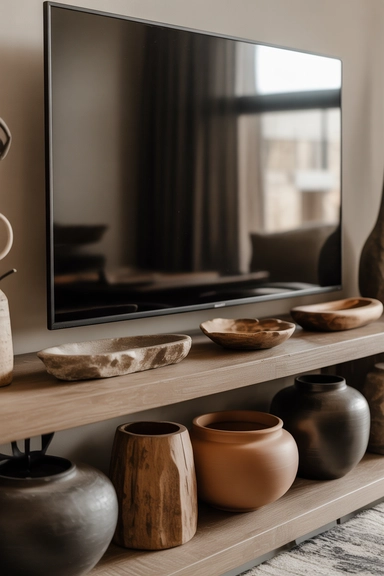
A TV mounted on the wall can sometimes feel disconnected from the furniture below if the stand lacks visual weight. Grounding the setup with heavier-looking decor helps anchor the TV stand and stabilizes the entire wall composition. Items such as stone trays, solid ceramic bowls, or thick wood objects introduce density at the base, preventing the arrangement from feeling top-heavy. These grounded elements visually “hold” the TV in place, even when the screen itself feels large.
The key is perceived weight rather than physical size. Matte finishes, dense materials, and darker tones naturally feel heavier to the eye. When used sparingly, they create balance without clutter. Grounded decor works especially well in open-plan living rooms, where visual stability helps define the TV area as a cohesive zone rather than a floating element within the space.
7. Keep Decor Depth Shallow Near the Screen
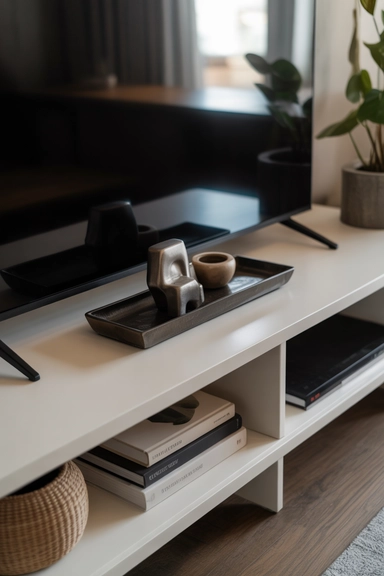
Depth matters just as much as height in living room TV stand decor. Deep objects placed close to the screen can create shadows, reflections, or visual congestion that distracts during viewing. Shallow decor—such as slim trays, low-profile sculptures, or thin book stacks—keeps the foreground clean and unobtrusive. This allows the TV to remain visually dominant without feeling boxed in or crowded by surrounding elements.
Shallow decor also improves sightlines, particularly in rooms where seating is spread across different angles. When items stay closer to the surface of the stand, the setup reads clearly from multiple viewpoints. This approach creates a refined, intentional look that feels practical for everyday use while maintaining a polished appearance that does not interfere with the TV’s presence.
8. Use Texture Instead of Height for Visual Interest
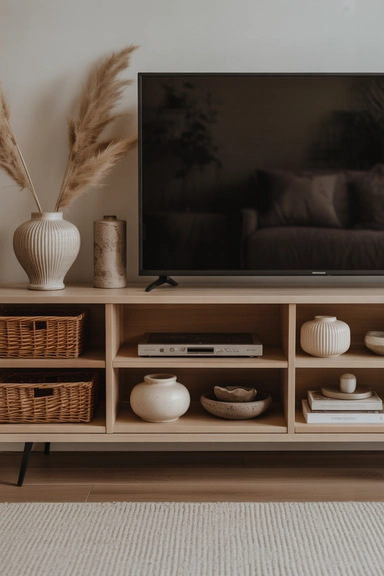
When decorating around a TV, texture is often more effective than vertical variation. Tall objects tend to compete with the screen, while textured pieces add interest without breaking the visual hierarchy. Materials like woven baskets, ribbed ceramics, natural wood grain, or matte stone introduce richness at a low visual level. These textures create depth through surface detail rather than height, keeping attention grounded.
Texture-based living room TV stand decor also photographs well for Pinterest without overwhelming the composition. It adds warmth and dimension while maintaining restraint. Mixing a few contrasting textures—smooth with rough, matte with subtle sheen—keeps the setup engaging. This strategy allows the TV to remain central while the stand still feels thoughtfully styled and complete.
9. Align Decor With the Width of the TV Stand
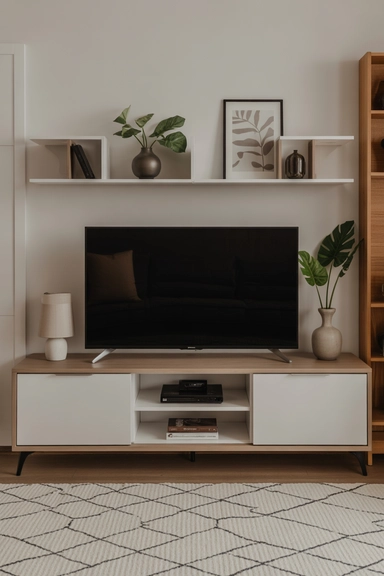
Decor that ignores the horizontal proportions of the TV stand can make the setup feel unbalanced. Items clustered too narrowly beneath a wide TV often look disconnected, while decor spread too far can feel scattered. Aligning decor roughly within the width of the TV or stand helps reinforce visual cohesion. This alignment creates a clear relationship between the screen, the furniture, and the objects placed on it.
Horizontal alignment also improves flow across the wall. When decor follows the same visual width as the TV stand, the entire composition feels unified rather than fragmented. This principle is especially important for long, low consoles, where vertical emphasis can easily disrupt balance. Keeping decor visually aligned supports a calm, structured appearance.
10. Rotate Decor Seasonally Instead of Adding More
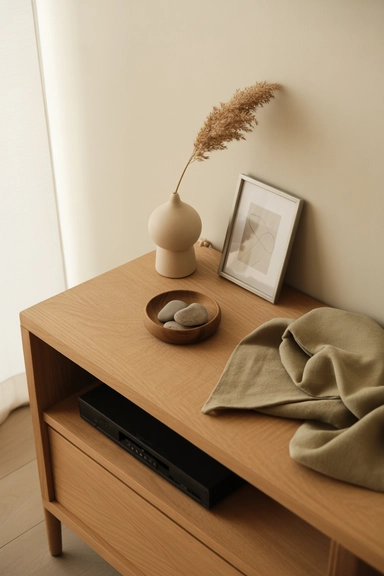
One reason TV stands become cluttered is the habit of layering new decor on top of existing pieces. Instead of adding, rotating decor seasonally keeps the setup fresh without increasing visual noise. Swapping a few key items—such as books, trays, or small objects—allows the living room TV stand decor to evolve while maintaining clarity and balance.
Seasonal rotation also encourages restraint. When you know decor will be changed rather than accumulated, each piece earns its place. This approach supports long-term visual consistency and prevents overcrowding. The TV remains the focal point year-round, while subtle changes keep the setup engaging and reflective of the season without overwhelming the space.
11. Keep Decorative Items Below Eye Level When Seated
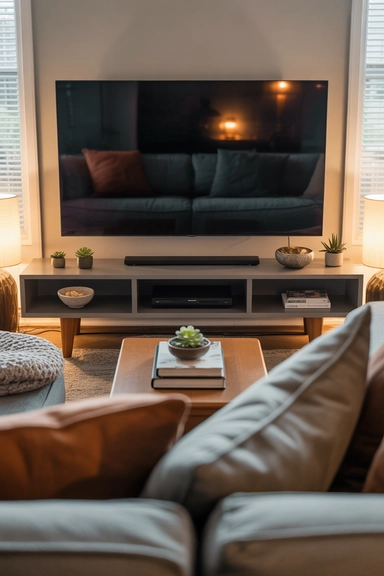
Living room TV stand decor should be evaluated from a seated position, not standing height. Items that feel balanced while standing can become visually intrusive once you sit down, especially if they rise into the screen’s lower visual zone. Keeping decor below seated eye level ensures that nothing interferes with the viewing experience. This is particularly important in rooms with low sofas or sectional seating.
Designing for seated sightlines also creates a more relaxed atmosphere. When decor remains visually quiet from the main seating position, the TV area feels intentional rather than overstimulating. This approach prioritizes comfort and usability without sacrificing style. It also helps prevent visual fatigue during extended viewing, which is often overlooked in decorative planning.
12. Use Repetition to Create Visual Order
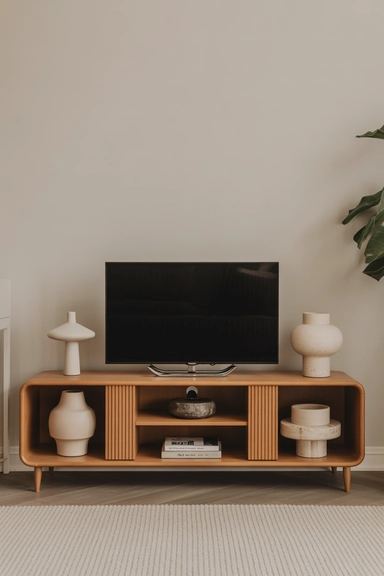
Repetition is a subtle but powerful tool in living room TV stand decor. Using similar shapes, materials, or finishes across decor pieces helps establish rhythm and visual order. For example, repeating ceramic finishes or wood tones creates cohesion without needing symmetry. This consistency allows the eye to move smoothly across the TV stand instead of jumping between unrelated elements.
Repetition also reduces the need for excessive decor. When a few elements relate visually, they feel intentional rather than sparse. This is especially useful when styling minimal TV stands, where every object needs to contribute to the overall structure. Thoughtful repetition supports calm design while keeping the setup visually engaging and balanced.
13. Keep the Center Area of the TV Stand Visually Quiet
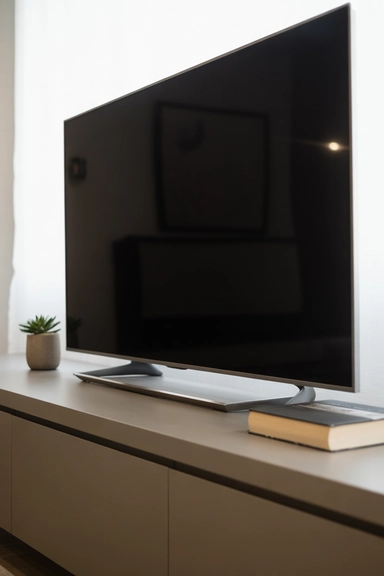
The area directly beneath the TV is the most sensitive zone in living room TV stand decor. Overstyling this space can quickly draw attention away from the screen. Keeping the center area visually quiet—using either no decor or very subtle, low-profile pieces—helps reinforce the TV as the focal point. This creates a clear visual pause that improves overall balance.
Decor placed toward the outer edges of the stand naturally feels less intrusive. By shifting visual interest outward, the composition feels intentional and structured. This technique works well for both mounted TVs and those sitting directly on the stand. A quiet center anchors the entire setup and prevents visual overload in the most important viewing area.
14. Use Closed Storage to Reduce Visual Noise
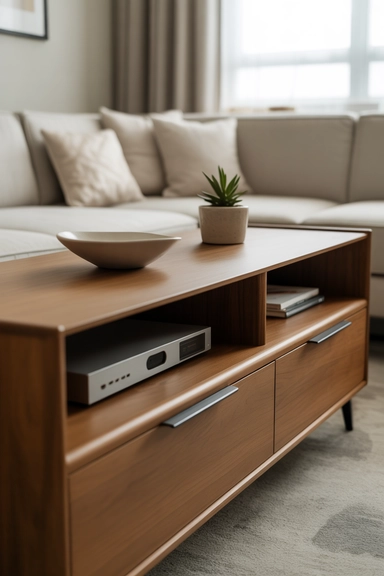
Open shelving beneath a TV stand can easily become cluttered, even with neatly arranged items. Closed storage helps control visual noise and keeps attention focused upward toward the screen. Cabinets or drawers allow everyday items to disappear, maintaining a clean and composed look. This is especially beneficial in family living rooms where practicality matters as much as aesthetics.
Closed storage also supports long-term styling consistency. When functional items are hidden, decorative pieces can be fewer and more intentional. This balance prevents the TV stand from feeling chaotic over time. A visually calm base reinforces the screen as the primary element while still allowing the stand to contribute to the room’s overall design.
15. Match Decor Scale to the Size of the TV
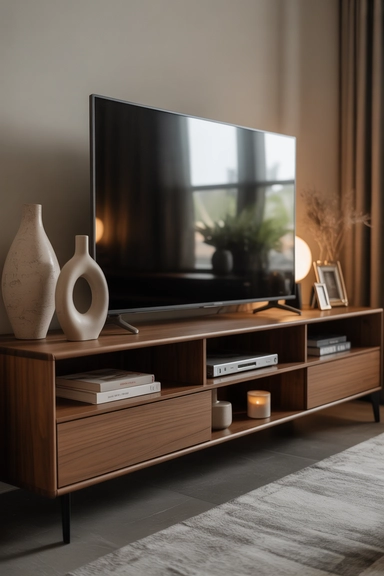
Decor scale should always respond to the size of the TV itself. Small decorative items placed beneath a large screen often feel insignificant and disconnected. Conversely, oversized decor beneath a smaller TV can dominate the setup and shift focus away from the screen. Matching decor scale to TV size creates proportional harmony across the entire wall.
Larger TVs benefit from fewer but more substantial decor pieces, while smaller screens work better with restrained, lighter elements. This proportional thinking keeps the composition grounded and intentional. When scale is handled correctly, the TV stand decor supports the screen naturally instead of competing with it for attention.
16. Use Living Room TV Stand Decor to Echo Nearby Furniture
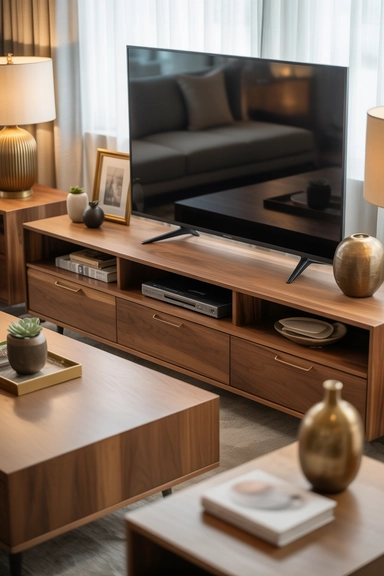
A TV stand should never feel visually isolated from the rest of the living room. One effective way to achieve cohesion is by echoing materials, finishes, or tones already present in nearby furniture. When living room TV stand decor reflects the wood tone of a coffee table, the metal finish of a floor lamp, or the fabric texture of seating, the space feels intentionally connected rather than pieced together.
This visual echo does not need to be exact. Subtle references are often more effective than perfect matches. A similar undertone or texture is enough to establish harmony. This approach helps the TV stand feel like part of a larger design conversation rather than a standalone element competing for attention.
17. Avoid Reflective Surfaces Near the Screen
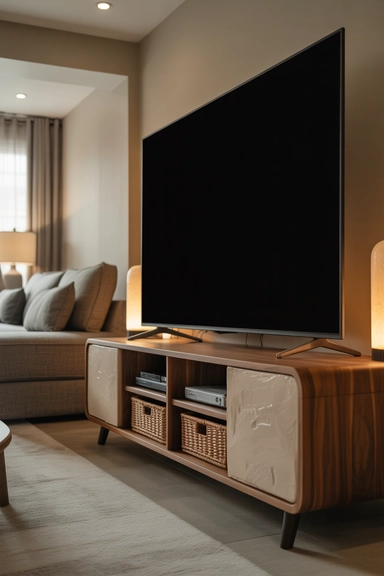
Glossy or reflective decor placed near a TV can introduce unwanted glare and distraction, especially when the screen is on. Shiny finishes bounce light unpredictably, pulling attention away from the content on the screen. Living room TV stand decor is most effective when it absorbs light rather than reflects it, keeping the viewing area calm and controlled.
Matte ceramics, textured stone, unfinished wood, or fabric-based elements work far better in this zone. These materials reduce visual noise and support a more comfortable viewing experience. By minimizing reflection, the TV stand feels quieter and more intentional, allowing the screen to remain the dominant visual element without interference.
18. Use Negative Space as a Design Tool
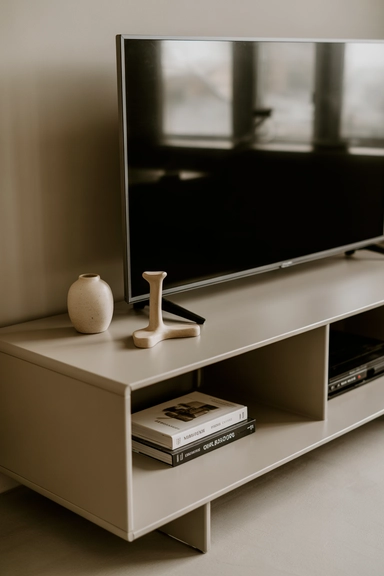
Negative space is not empty space by accident; it is a deliberate design choice. In living room TV stand decor, leaving areas unfilled helps define which elements matter most. When every inch of the stand is occupied, the eye struggles to find focus. Strategic emptiness restores clarity and gives decorative pieces room to breathe.
Negative space also enhances flexibility. A restrained setup can adapt easily to seasonal changes or subtle updates without feeling overcrowded. This approach communicates confidence and control in styling. Rather than feeling unfinished, a TV stand with intentional negative space reads as thoughtful, balanced, and visually composed.
19. Keep Decorative Objects in Simple Groupings
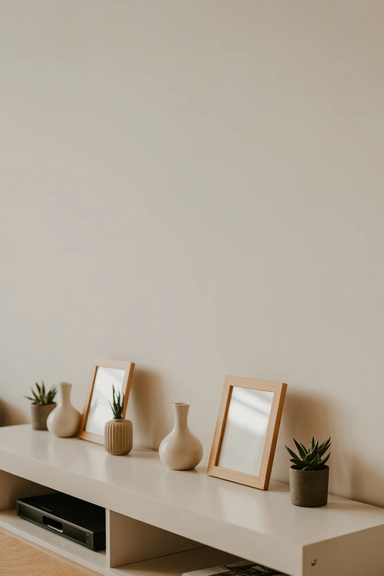
Complex arrangements may look interesting in isolation, but around a TV they often create distraction. Simple groupings—usually two or three related items—are more effective for living room TV stand decor. These small clusters allow the eye to register decor quickly without lingering, keeping attention where it belongs. Grouping by material or tone helps reinforce this simplicity.
Simple groupings also reduce visual fatigue. When decor clusters are easy to read, the TV area feels calmer and more welcoming. This approach works well for both minimal and layered interiors, as it keeps styling intentional without becoming sparse or overly decorative.
20. Let the TV Stand Decor Sit Back Visually
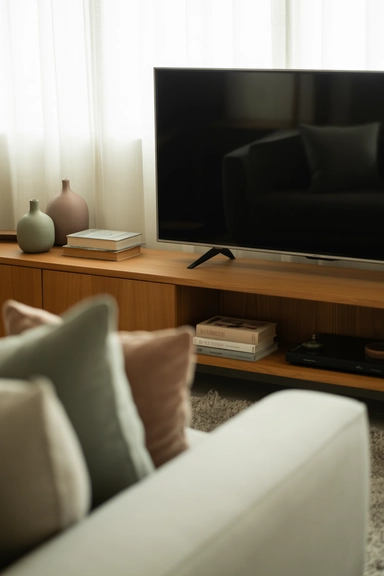
Not every decorative element needs to stand out. In fact, the most successful living room TV stand decor often sits back visually, supporting the room rather than drawing attention to itself. Soft colors, muted finishes, and understated shapes allow decor to blend into the background while still adding depth and texture.
When decor visually recedes, the TV naturally becomes the focal point without effort. This balance creates a relaxed, lived-in feel that works well for everyday use. A TV stand that feels supportive rather than performative helps the entire living room feel settled, calm, and thoughtfully arranged.
21. Keep Decor Functional as Well as Visual
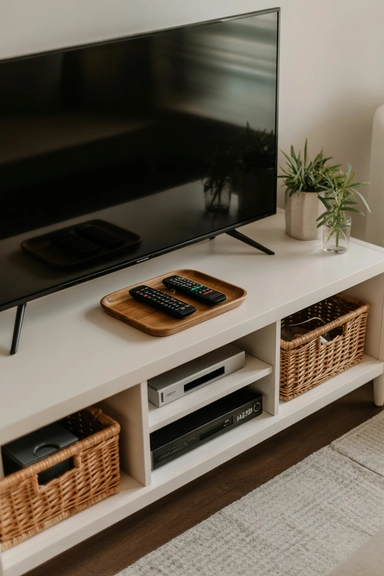
Living room TV stand decor performs best when it serves a subtle function alongside its visual role. Decorative trays that organize remotes, books that hide cable boxes, or baskets that store small accessories help maintain order without introducing clutter. Functional decor reduces the need for additional storage elsewhere, keeping the area around the TV streamlined and visually calm.
When decor has a purpose, it earns its place on the stand. This prevents random accumulation and encourages intentional styling choices. Functional pieces also make everyday use easier, reinforcing the idea that a well-styled TV stand should support daily life rather than interrupt it. The result feels practical, refined, and thoughtfully considered.
22. Adjust Decor Placement Based on Viewing Distance
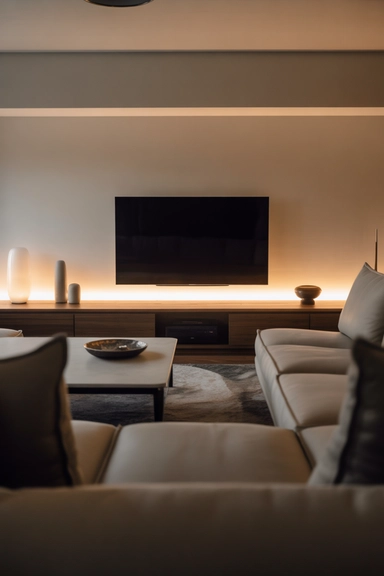
Viewing distance plays a larger role in TV stand styling than many realize. In living rooms where seating is close to the TV, decor needs to be especially restrained. Objects that feel acceptable from across the room can become visually intrusive at closer range. Living room TV stand decor should be adjusted based on how near the primary seating is to the screen.
In larger rooms with more distance, slightly bolder decor choices can work without distraction. Understanding this relationship helps prevent visual overload and keeps the setup comfortable for actual use. Styling decisions grounded in real viewing conditions always feel more natural and user-friendly than purely aesthetic choices.
23. Edit the TV Stand Decor Regularly
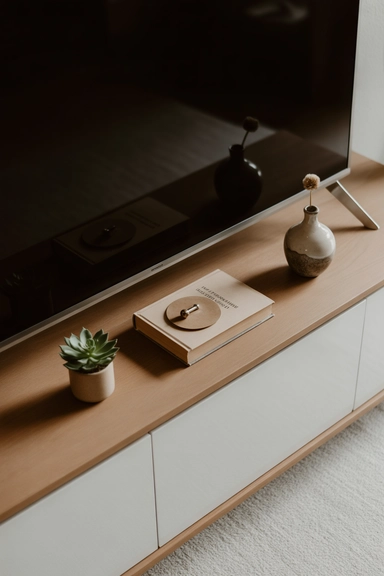
Even well-designed TV stand setups benefit from regular editing. Over time, decor tends to accumulate, often without intention. Periodically removing one or two items helps restore clarity and balance. Living room TV stand decor should evolve through subtraction as much as addition, keeping the setup visually fresh and controlled.
Editing also sharpens design judgment. When fewer items remain, each piece has more impact. This practice prevents clutter from creeping back in and ensures the TV remains the dominant focal point. Regular editing reinforces a calm, confident look that continues to feel deliberate long after the initial styling is complete.
Conclusion
Living room TV stand decor works best when it supports the screen rather than competing with it. Through controlled height, thoughtful spacing, grounded materials, and intentional restraint, the TV area becomes visually calm and cohesive. These ideas focus on clarity, proportion, and real-world use, helping the setup feel settled instead of styled. When decor is edited regularly and chosen with purpose, the TV stand naturally blends into the room while enhancing the overall living space.