18 Low Light Living Room Decor Ideas That Feel Warm and Balanced
Introduction
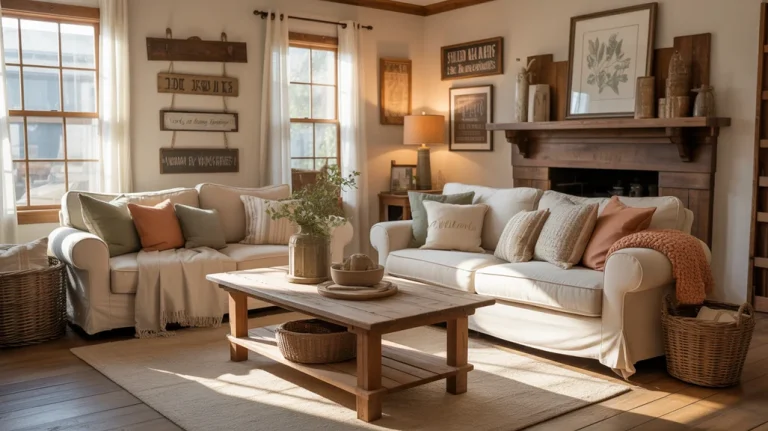
Low light living room decor ideas require a different mindset than decorating bright, sun-filled spaces. When natural light is limited, common design shortcuts often fail, making rooms feel heavy, flat, or visually unsettled. The solution is not forcing brightness, but building warmth, balance, and clarity through layout, material choice, and controlled lighting. A well-designed low light living room feels intentional rather than compromised because every element supports how light behaves in the space. When decor decisions respond to these conditions thoughtfully, the room becomes calm, comfortable, and visually complete throughout the day—an approach closely aligned with Modern Luxury Living Room Decor Ideas, where comfort and balance matter more than brightness.
1. Choosing Wall Colors That Support Low Light Conditions
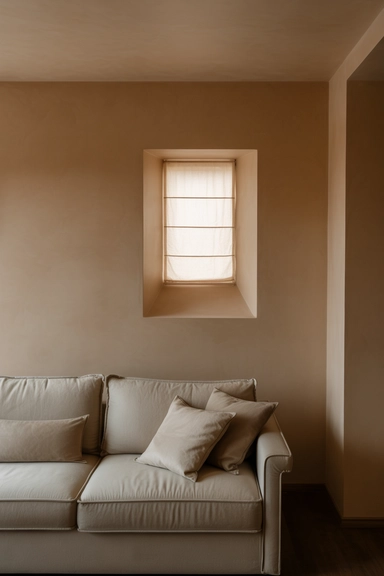
Wall color becomes a structural element in low light living room decor ideas because it determines how limited light is absorbed or reflected. Cool whites and gray-heavy shades often drain warmth and exaggerate shadows, causing the room to feel colder than it actually is. Softer neutrals with warm undertones help light spread evenly, preventing harsh contrast and visual heaviness. These tones create a gentle backdrop that allows furnishings and textures to stand out without relying on brightness.
Finish selection matters just as much as color. Matte and eggshell finishes diffuse light softly, reducing glare and visual fatigue. Slight tonal variation between walls, trim, and ceiling helps define the room without breaking cohesion. When wall color works with low light instead of against it, the entire living room feels calmer and more balanced.
2. Using Furniture Layout to Preserve Natural Light Flow
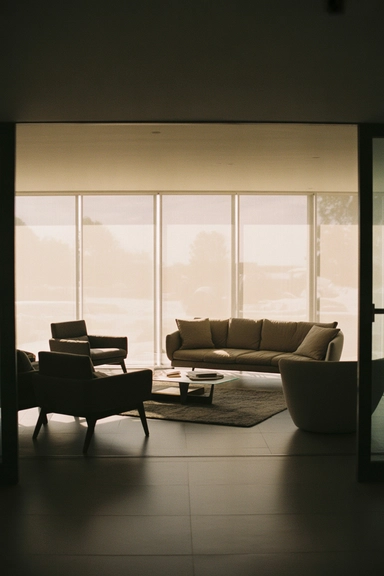
Furniture placement directly affects how daylight moves through a low light living room, yet it is often overlooked. Large pieces positioned too close to windows block valuable light and create dense shadow zones. Rearranging furniture to keep window areas visually open allows even small amounts of daylight to travel deeper into the room. This simple adjustment can change how the entire space feels without adding new decor.
Lower-profile seating near windows helps maintain openness, while floating furniture arrangements prevent light from being trapped along the perimeter. Clear sightlines allow light to move horizontally rather than stopping abruptly. When layout decisions prioritize light flow, the room feels more open and balanced, even with limited natural illumination.
3. Building Warmth Through Layered Lighting Instead of Brightness
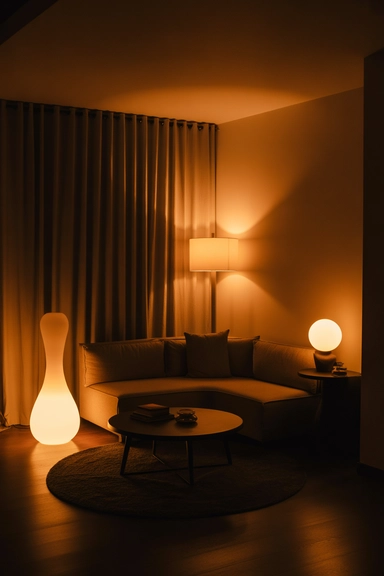
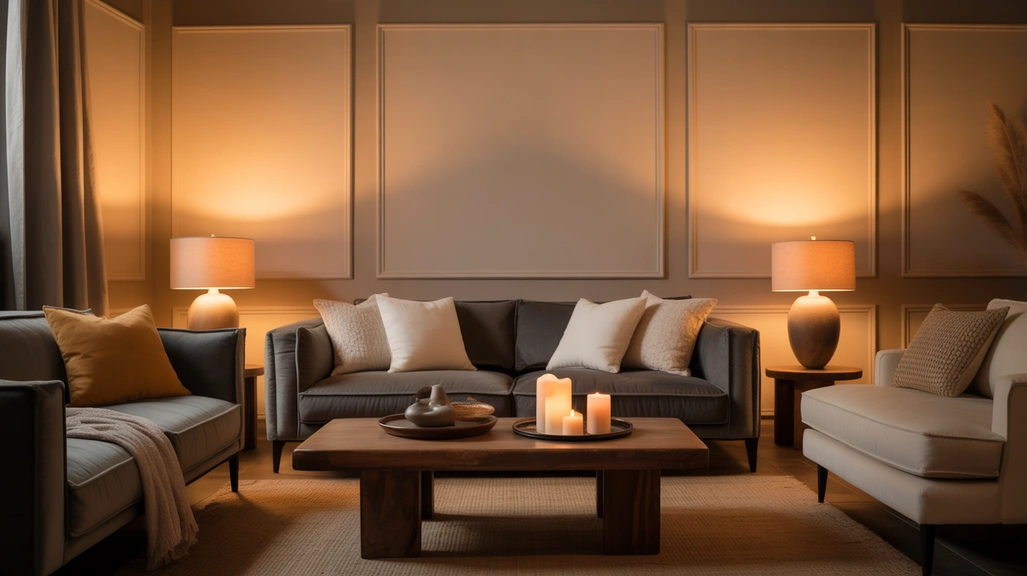
Layered lighting is essential in low light living room decor ideas because it replaces the role of natural daylight. A single overhead fixture produces flat illumination and deep shadows, making the room feel uneven. Introducing multiple light sources at different heights creates depth and visual rhythm, which is more important than brightness alone.
Floor lamps, table lamps, and corner lighting should work together using consistent warm light temperatures. Warm bulbs soften edges and enhance natural materials like wood and fabric. When lighting is layered thoughtfully, the room feels welcoming and intentional rather than dim, supporting comfort throughout the day and evening.
4. Selecting Materials That Reflect Light Softly
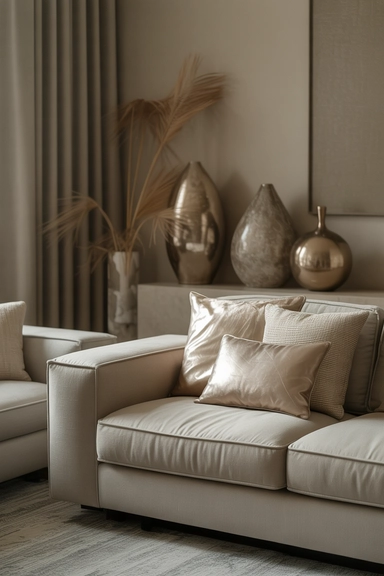
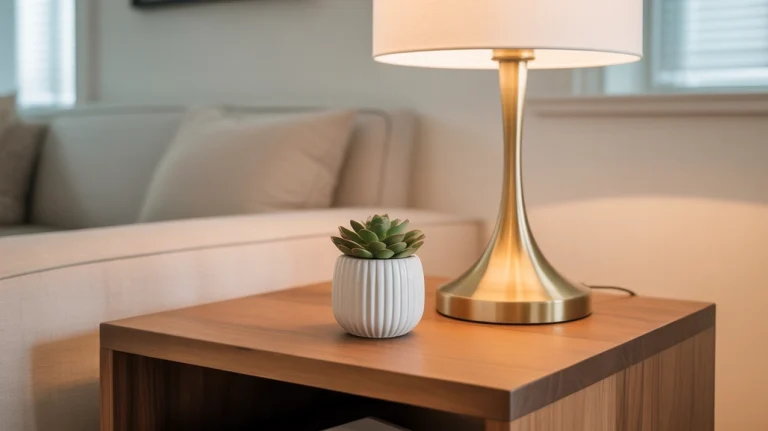
Material choice has a quiet but powerful influence in low light living room decor ideas. Highly glossy finishes can cause glare and visual discomfort, while overly dark or absorbent materials make the space feel heavy. The most effective materials reflect light gently, adding warmth without sharp contrast. Soft metals, glazed ceramics, and lightly textured fabrics interact well with limited light.
Reflective elements should be placed where they catch light sources rather than face windows directly. Subtle sheen adds depth without overpowering the room. When materials are chosen to cooperate with light behavior, the living room feels visually stable and well-composed.
5. Using Warm Neutrals to Prevent a Cold or Flat Look
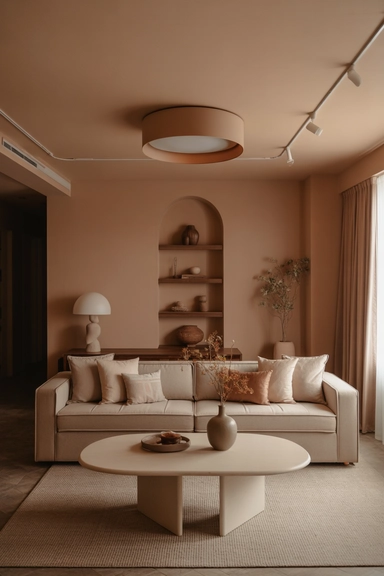
Warm neutrals play a central role in low light living room decor ideas because they maintain visual comfort under artificial lighting. Cool grays and stark whites often appear dull or lifeless when daylight is limited. Beige, taupe, and soft clay tones retain warmth and prevent the room from feeling sterile.
These tones also create smoother transitions between walls, furniture, and textiles, reducing visual breaks. When color changes are subtle, the eye moves comfortably across the space. Warm neutrals support cohesion and balance, allowing the room to feel inviting without relying on brightness.
6. Introducing Mirrors to Extend Available Light
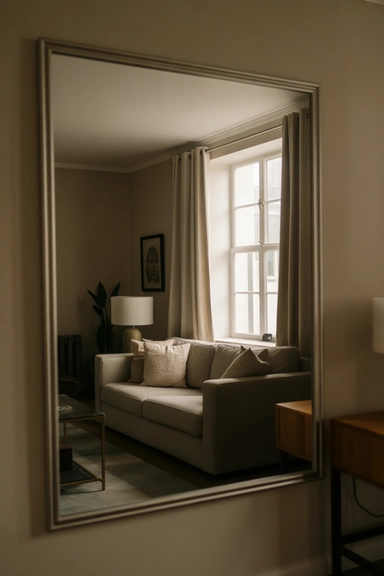
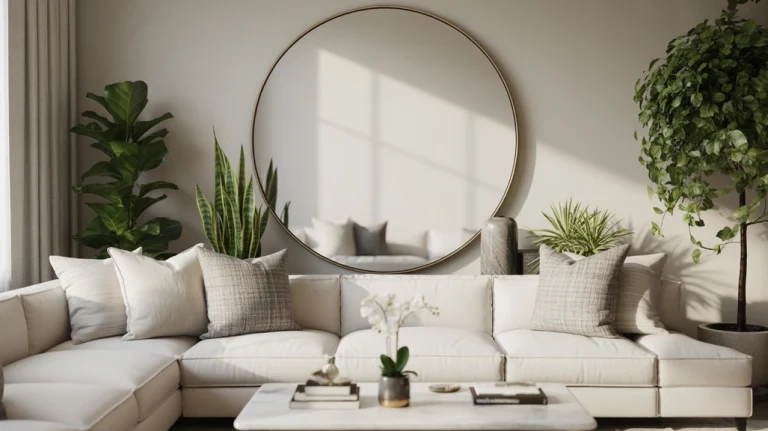
Mirrors are one of the most effective tools in low light living room decor ideas when used with intention. Rather than placing mirrors randomly, positioning them to reflect windows, lamps, or open sightlines helps distribute light more evenly across the room. This improves brightness perception without adding fixtures or increasing wattage.
Larger mirrors tend to work better than multiple small ones because they reduce visual clutter and create openness. Simple frames keep attention on reflection rather than decoration. When mirrors are placed strategically, they enhance both light flow and spatial balance.
7. Choosing Upholstery That Holds Warmth Without Feeling Heavy
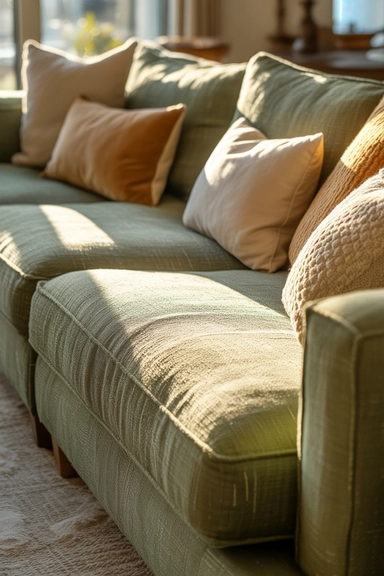
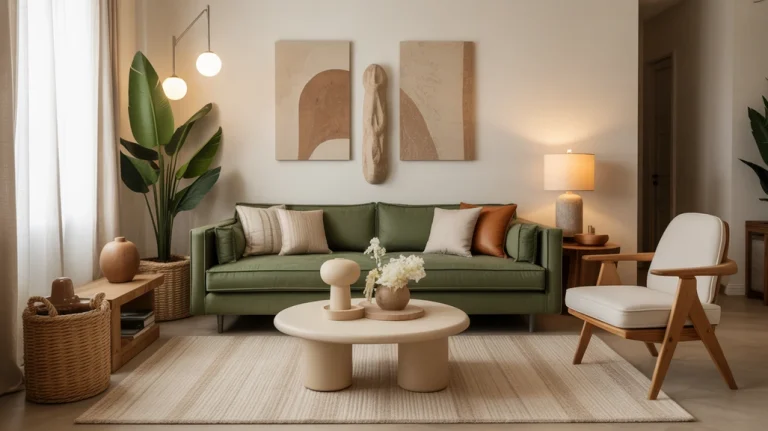
Upholstery plays a critical role in low light living room decor ideas because large fabric surfaces strongly influence how light is absorbed. Very dark, dense fabrics can visually weigh down seating areas, especially when natural light is already limited. On the other hand, overly pale fabrics may look flat and lifeless in dim conditions. Mid-tone upholstery with warm undertones provides balance, absorbing light gently while maintaining visual depth.
Texture is just as important as color. Fabrics with subtle weave or softness respond better to layered lighting and create a more inviting feel. Linen blends, brushed cotton, or textured synthetics help seating feel comfortable rather than dense. When upholstery choices align with lighting conditions, the living room feels warmer and more stable without appearing dull.
8. Relying on Texture Instead of Bright Color for Visual Interest
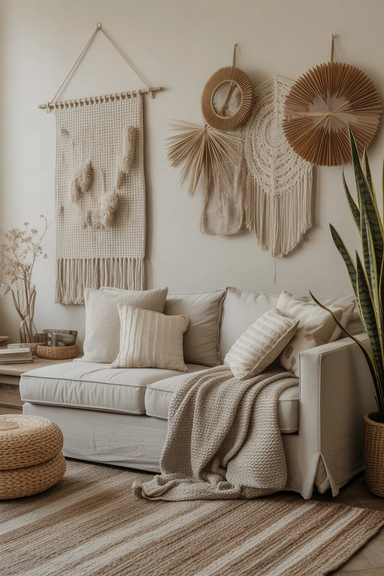
In low light spaces, texture becomes more effective than color for creating visual interest. Bright or saturated colors often rely on strong light to appear vibrant, which can lead to disappointment in dim rooms. Low light living room decor ideas benefit from layered textures that catch and soften light instead of reflecting it sharply.
Rugs, cushions, throws, and wall elements with tactile variation add dimension even when illumination is limited. Combining smooth surfaces with rougher materials creates contrast the eye can still register. When texture leads the design rather than color, the room feels rich and intentional without needing brighter conditions.
9. Keeping Window Treatments Light to Protect Available Daylight
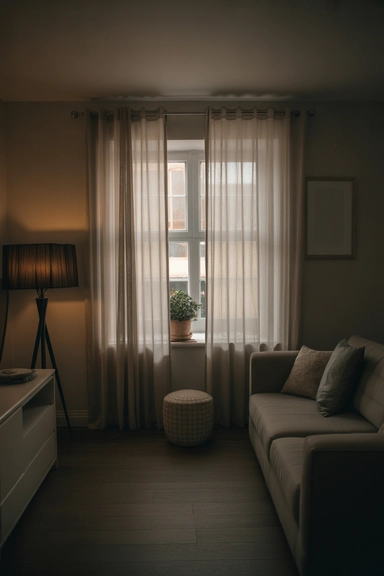
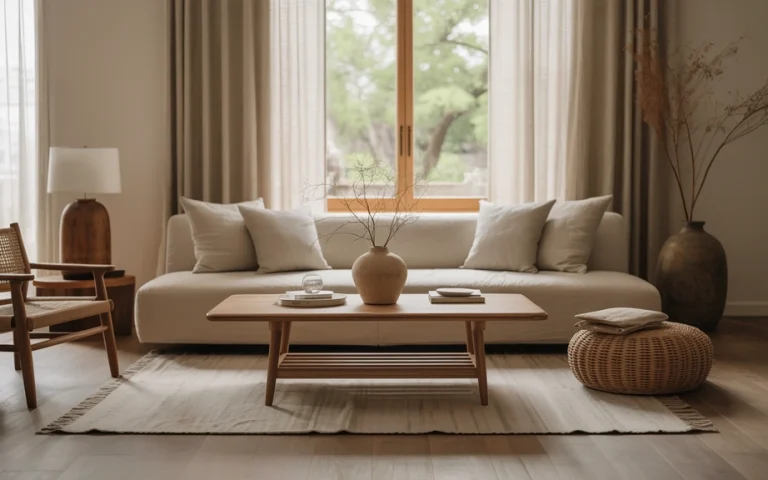
Window treatments can either support or restrict the little natural light a room receives. Heavy drapes or dark fabrics near windows reduce brightness and add unnecessary visual weight. Low light living room decor ideas work best with light, breathable window coverings that allow maximum daylight while maintaining privacy.
Sheer or softly woven fabrics help diffuse light rather than block it. Mounting curtains higher than the window frame also improves proportion and draws attention upward. Neutral tones prevent harsh contrast around windows. When window treatments are handled lightly, they preserve balance and prevent the room from feeling enclosed.
10. Using Accent Lighting to Shape the Space
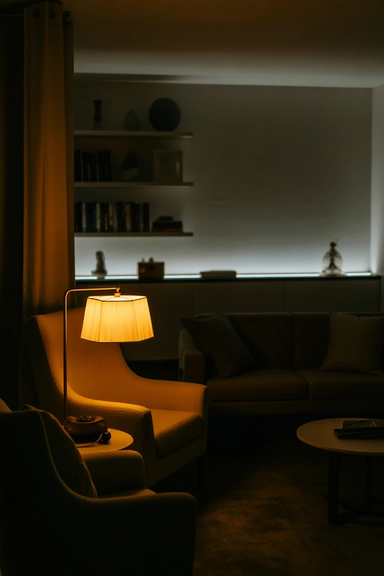
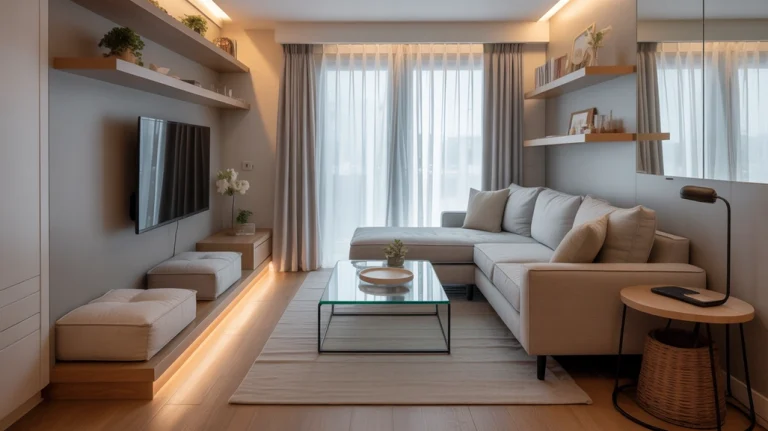
Accent lighting helps define structure in low light living room decor ideas by guiding attention instead of increasing overall brightness. Small lamps placed near seating areas, shelves, or corners create focused pools of light that establish purpose within the room. This zoning effect prevents the space from feeling undefined or shadowy.
Accent lighting should support function rather than decoration. Its role is to clarify how the room is used and where activity occurs. When light is distributed thoughtfully across zones, the living room feels balanced and intentional instead of unevenly lit.
11. Selecting Rugs That Add Warmth Without Darkening the Floor
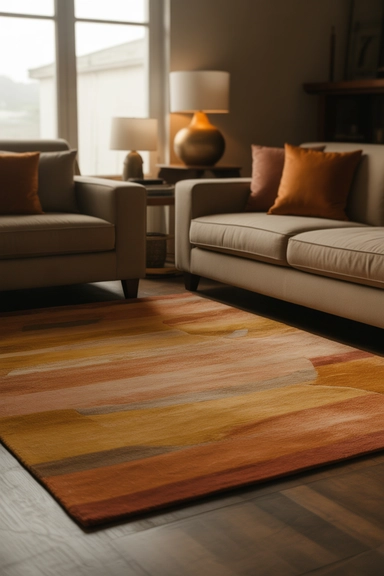
Rugs influence how grounded or heavy a low light living room feels. Very dark rugs tend to absorb light and visually compress the space, especially when floors are already dim. Mid-tone rugs with warm undertones provide anchoring without overpowering the room.
Material choice matters here as well. Wool blends and flat weaves maintain depth without shine, responding well to soft lighting. Proper sizing also matters; a rug that fits the seating area prevents visual fragmentation. When rugs support warmth rather than contrast, the room feels cohesive and settled.
12. Letting Wood Tones Bring Natural Warmth Into the Room
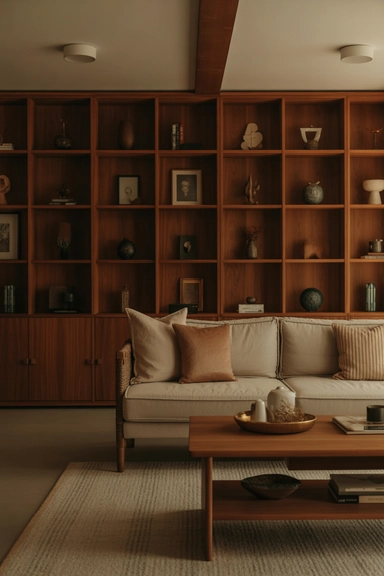
Wood tones introduce warmth that does not depend on brightness, making them especially valuable in low light living room decor ideas. Cool or gray-toned finishes often appear dull in dim rooms, while warm woods add comfort and visual stability. Furniture, shelving, or decor in oak, walnut, or medium brown tones naturally counteract the absence of daylight.
Consistency across wood finishes is essential. Mixing too many tones creates visual tension that becomes more noticeable in low light. When wood elements are cohesive, they provide structure and warmth that make the room feel inviting without additional lighting.
13. Using Dark Accents to Create Depth Without Making the Room Feel Heavy
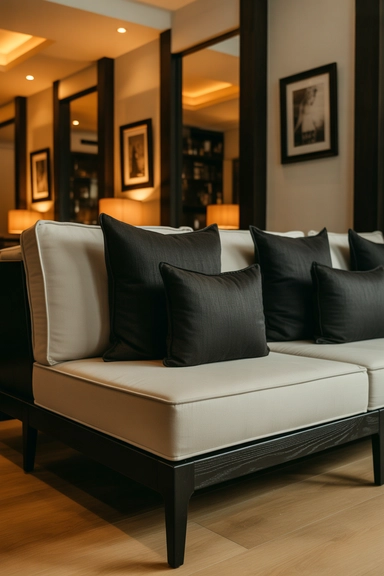
Dark accents can be effective in low light living room decor ideas when they are used with restraint and purpose. Completely avoiding darker tones often leads to a flat, unfinished look, but allowing them to dominate can make the space feel closed in. The balance lies in using dark accents as grounding elements rather than focal surfaces. Small doses of depth help lighter materials stand out and prevent the room from feeling washed out.
Placement matters more than color choice. Dark accents work best in controlled areas such as furniture legs, frames, or select accessories. When paired with warm lighting and lighter surrounding surfaces, they add dimension instead of absorbing all available light. This controlled contrast helps the room feel layered and visually stable.
14. Avoiding High-Contrast Color Combinations in Dim Spaces
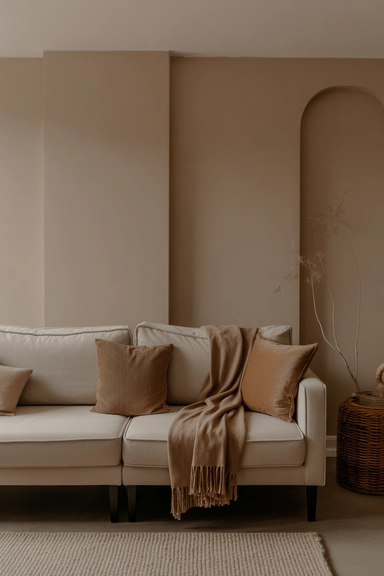
High-contrast color schemes often struggle in low light environments because they rely on brightness to read clearly. Sharp transitions between light and dark surfaces can feel abrupt and disjointed when illumination is limited. Low light living room decor ideas benefit from smoother tonal transitions that allow the eye to move comfortably across the space.
Keeping colors within a close tonal range reduces visual strain and supports cohesion. Contrast should come from texture and material rather than color alone. This approach maintains depth without overwhelming the room, allowing it to feel calm and balanced even in dim conditions.
15. Styling Surfaces With Restraint to Reduce Visual Noise
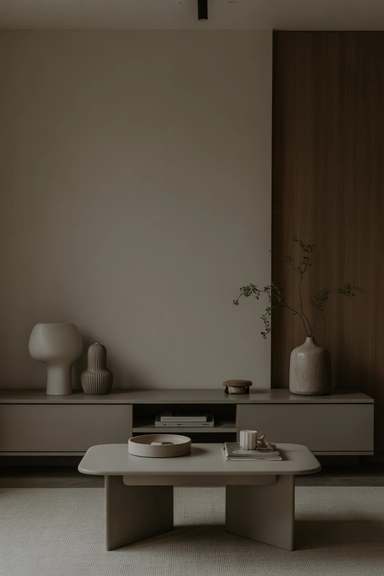
Clutter becomes more noticeable in low light spaces because shadows exaggerate visual complexity. Over-styled surfaces disrupt balance and make the room feel unsettled. Low light living room decor ideas rely on restraint to allow light to move freely and surfaces to read clearly.
Choosing fewer objects with defined shapes improves clarity. Leaving intentional gaps between items allows each piece to stand on its own. Negative space becomes an active design element, helping the room feel organized and refined rather than crowded.
16. Using Vertical Elements to Balance Limited Horizontal Light
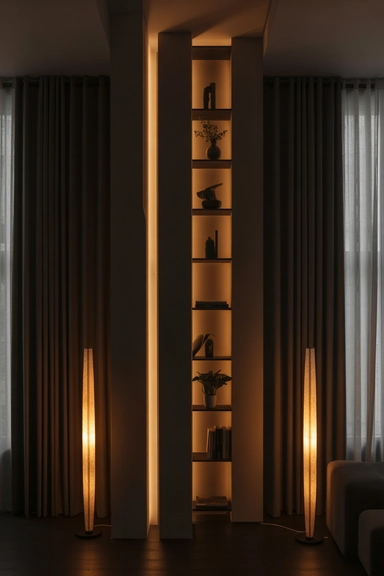
In low light living rooms, daylight often enters horizontally through small or shaded windows, leaving the upper portions of the room visually inactive. Vertical elements help redistribute attention and correct this imbalance. Tall lamps, floor-length curtains, or vertical shelving guide the eye upward and improve proportion.
These elements do not increase brightness, but they add structure and visual movement. When vertical lines are introduced thoughtfully, the room feels taller and more composed instead of compressed. This balance is essential for warmth and visual comfort.
17. Keeping Decor Finishes Consistent to Maintain Visual Calm
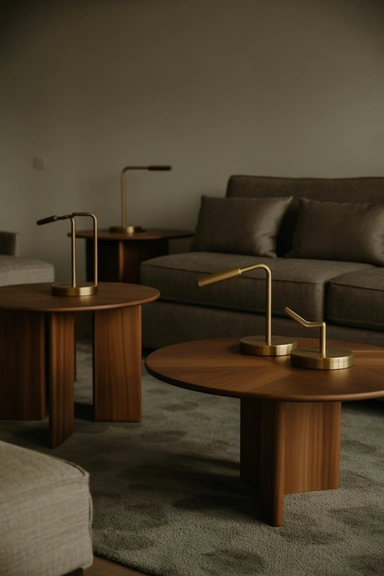
Consistency becomes more important in low light living room decor ideas because uneven lighting makes mismatched finishes more noticeable. Mixing too many metals, textures, or styles creates visual friction that disrupts balance. Limiting finishes helps the room feel cohesive and intentional.
Repeating materials or tones across different elements creates rhythm and calm. The space reads as deliberate rather than assembled over time. When finishes are consistent, the room feels settled even when lighting conditions are uneven.
18. Designing Around Low Light Instead of Fighting It
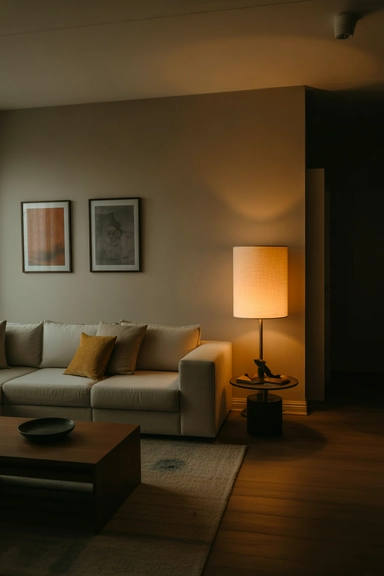
The most effective low light living room decor ideas begin with acceptance rather than correction. Trying to force brightness often results in harsh lighting and uncomfortable contrast. Designing around low light prioritizes warmth, balance, and comfort instead of intensity.
When natural conditions are respected, decisions become clearer and more refined. Warm materials, layered lighting, and restraint work together to create a living room that feels intentional rather than compromised. Embracing low light allows the space to feel complete and livable.
Conclusion
Low light living room decor ideas succeed when balance replaces brightness as the guiding principle. By working with light instead of against it, decor choices feel cohesive and purposeful. Warm tones, thoughtful materials, layered lighting, and restraint transform dim spaces into calm, inviting environments. When every decision supports balance and comfort, a low light living room can feel complete and welcoming regardless of how much natural light it receives.