18 Tiny Living Room Decor Ideas That Make Small Spaces Feel Open
Introduction
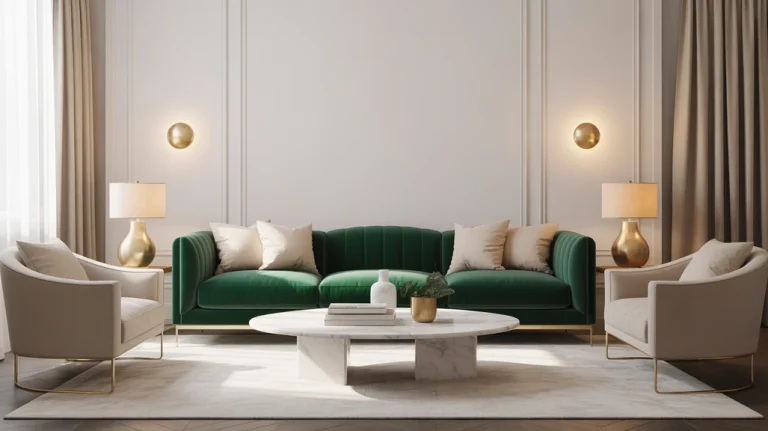
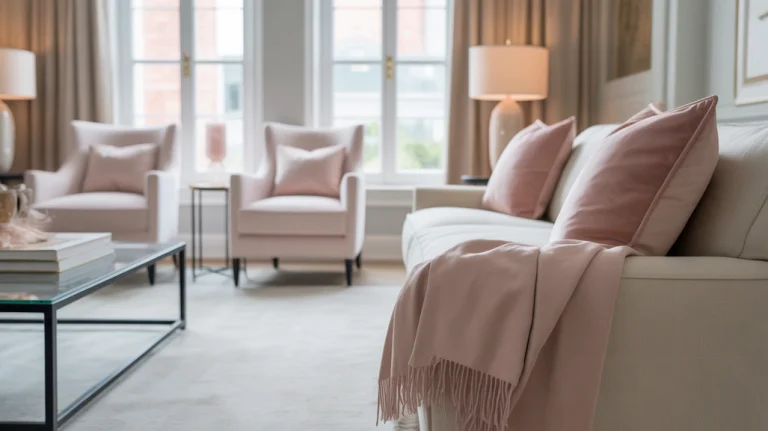
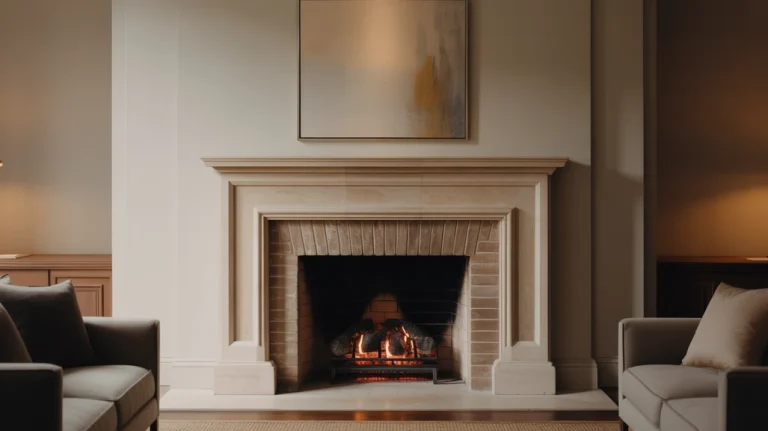
Tiny living room decor ideas succeed when the focus shifts from adding more to using space more intelligently. Small living rooms feel cramped not because of size alone, but because layout, scale, and visual flow are often mismanaged. When furniture, lighting, and surfaces compete for attention, the room quickly feels crowded. An open feel comes from restraint, proportion, and deliberate choices that allow the eye to move easily—principles that also define cozy small living room decor ideas , where comfort and clarity matter more than filling every inch. When decor supports movement, light, and function, even the smallest living room can feel balanced, comfortable, and thoughtfully designed rather than tight or overwhelming.
1. Prioritizing Layout Before Choosing Any Decor
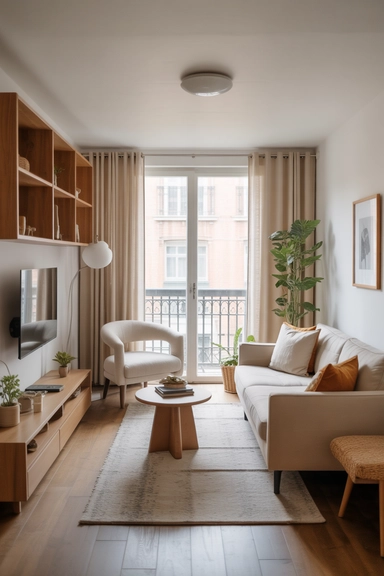
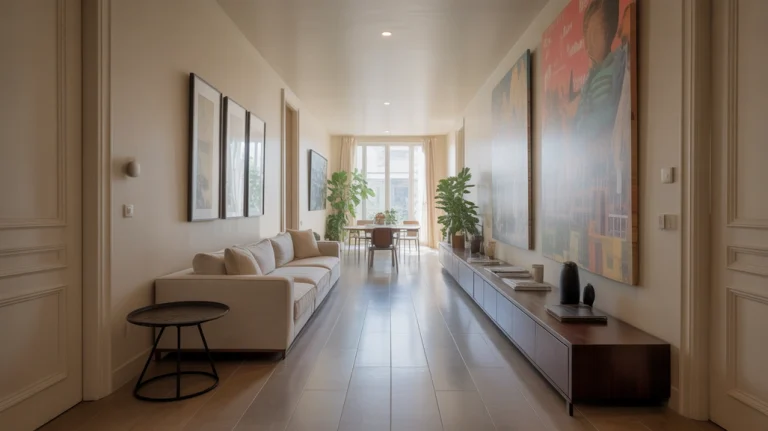
In tiny living room decor ideas, layout decisions matter more than decorative choices. A poor layout can make even a well-styled room feel boxed in, while a thoughtful arrangement can instantly improve openness. Furniture pushed randomly against walls or clustered without purpose disrupts flow and creates dead zones. Starting with layout ensures that walking paths remain clear and seating feels intentional rather than forced.
Arranging furniture to support how the room is actually used helps reduce visual friction. Floating key pieces slightly inward, aligning seating with focal points, and avoiding unnecessary furniture all contribute to a calmer feel. When layout is resolved first, decor choices become clearer and the room naturally feels more open.
2. Choosing Furniture Scaled for Small Spaces
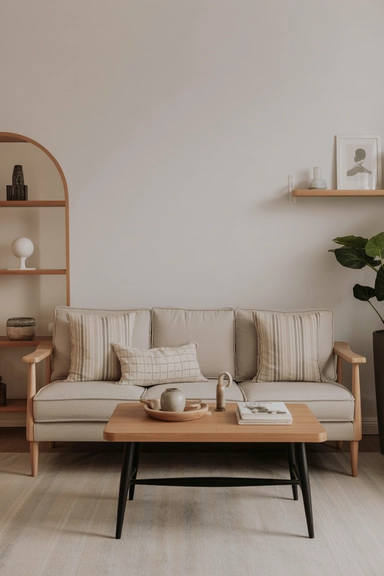
Oversized furniture is one of the fastest ways to overwhelm a tiny living room. Tiny living room decor ideas rely on pieces that match the scale of the space rather than filling it completely. Sofas with slim arms, exposed legs, and lower profiles allow light and air to move through the room. This visual lightness prevents the space from feeling blocked.
Proper scale also improves function. Smaller pieces are easier to reposition and adapt as needs change. Choosing fewer but better-proportioned items reduces clutter and gives the room breathing room. When furniture respects the size of the space, openness becomes easier to achieve.
3. Keeping the Floor as Visible as Possible
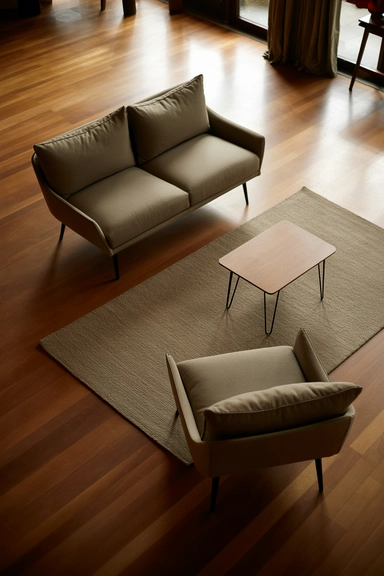
Visible floor space plays a major role in how open a tiny living room feels. Too many furniture legs, rugs that are too small, or excessive floor decor break up the visual plane and make the room feel fragmented. Tiny living room decor ideas work best when the floor reads as a continuous surface.
Using a properly sized rug that fits the seating area helps unify the room instead of dividing it. Furniture with raised legs allows the floor to remain visible underneath, enhancing openness. When the floor feels uninterrupted, the room appears larger and more breathable.
4. Using Light Colors to Reduce Visual Weight
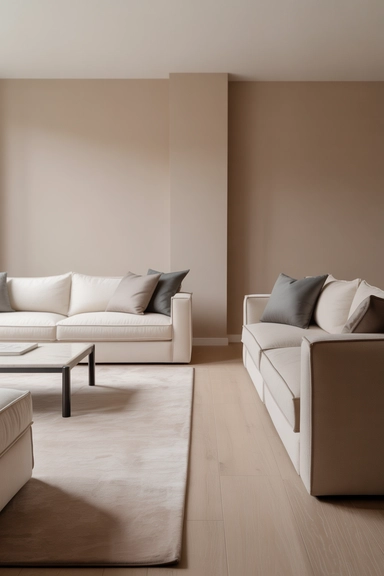
Color choice has a direct impact on perceived openness in small spaces. Dark or highly saturated colors tend to pull walls inward, making a tiny living room feel smaller. Tiny living room decor ideas often rely on light, neutral tones that reflect available light and soften edges.
This does not mean everything must be white. Warm neutrals, soft grays, and muted tones create depth without heaviness. Keeping walls, large furniture, and rugs within a similar tonal range reduces visual breaks. When color transitions are gentle, the room feels more expansive.
5. Limiting Decor to What Adds Real Value
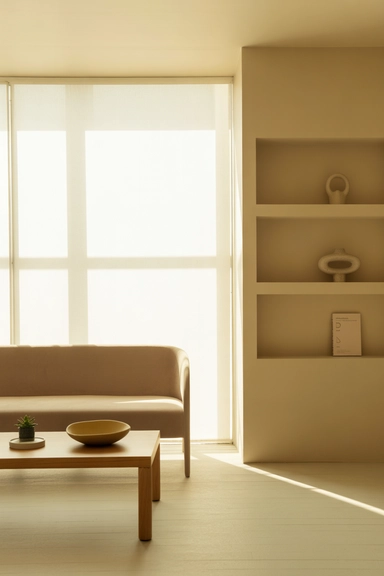
In tiny living rooms, every decorative item carries visual weight. Too many accessories create clutter quickly, making the space feel busy rather than styled. Tiny living room decor ideas emphasize editing rather than layering endlessly. Each decor piece should either serve a function or strengthen the overall balance of the room.
Leaving negative space is essential. Clear surfaces and open areas allow the eye to rest and help the room feel intentional. When decor is limited to what truly adds value, the space feels calmer, more open, and easier to live in.
6. Using Multi-Functional Furniture to Reduce Visual Clutter
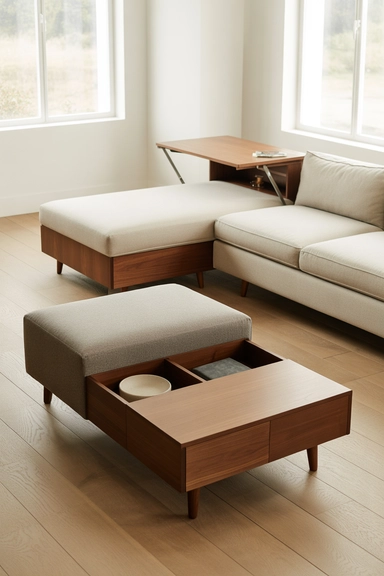
Multi-functional furniture is essential in tiny living room decor ideas because it reduces the total number of pieces competing for space. When one item serves multiple purposes, the room feels less crowded and more intentional. Coffee tables with storage, ottomans that double as seating, or media units with closed compartments help contain everyday items without adding bulk.
The key is choosing pieces that do not look oversized or complicated. Clean lines and simple forms prevent visual noise. When storage is integrated seamlessly, the room feels lighter and more open. Reducing the number of separate furniture items immediately improves flow and visual clarity.
7. Letting Vertical Space Do More of the Work
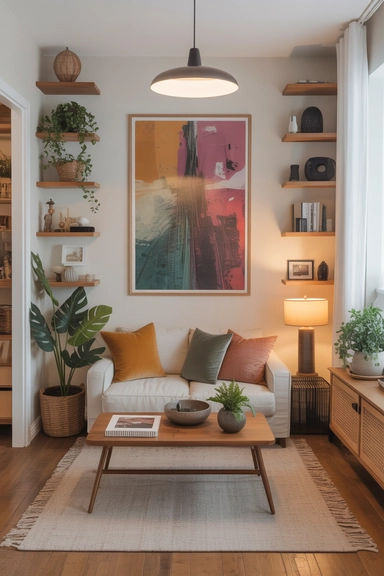
Tiny living room decor ideas benefit greatly from vertical thinking. When floor space is limited, using walls and height strategically prevents overcrowding at eye level. Tall shelving, wall-mounted storage, or vertical artwork draws the eye upward, creating the impression of height and openness.
Vertical elements should remain visually light. Open shelving or slim profiles prevent the room from feeling boxed in. Spreading visual weight upward rather than across the floor keeps the living area breathable. When vertical space is used thoughtfully, the room feels taller and more balanced.
8. Choosing Low-Profile Seating to Maintain Openness
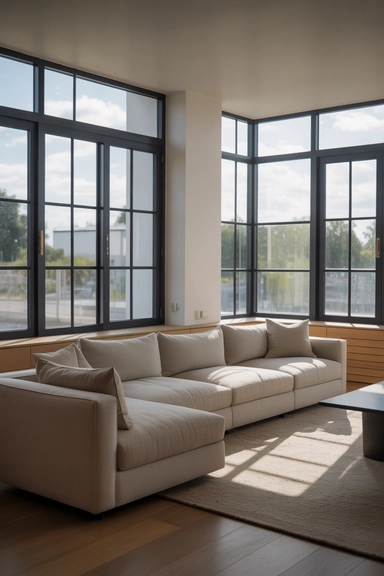
Low-profile seating helps tiny living room decor ideas succeed by keeping sightlines clear. High-backed or bulky seating blocks views across the room, making it feel segmented. Sofas and chairs with lower backs allow the eye to travel farther, which increases the sense of openness.
This approach also improves flexibility. Low-profile seating adapts better to different layouts and does not dominate the space. When seating feels visually lighter, the entire room appears more open without sacrificing comfort.
9. Using Mirrors to Visually Expand the Room
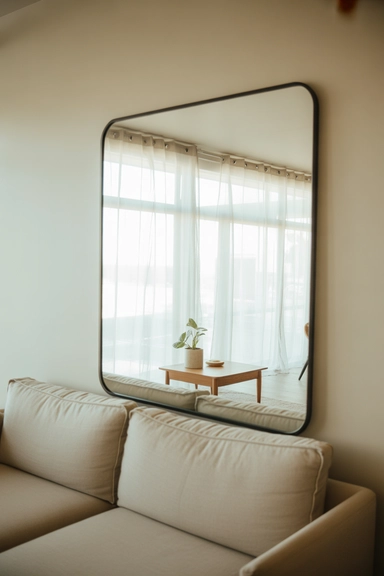
Mirrors are one of the most effective tools in tiny living room decor ideas when placed with intention. A mirror positioned to reflect light or open areas helps visually double the space. This effect improves brightness and depth without adding furniture or decor.
Larger mirrors tend to work better than multiple small ones because they reduce visual fragmentation. Simple frames keep the focus on reflection rather than decoration. When mirrors are placed strategically, the room feels wider and more open.
10. Keeping Window Treatments Minimal and Light
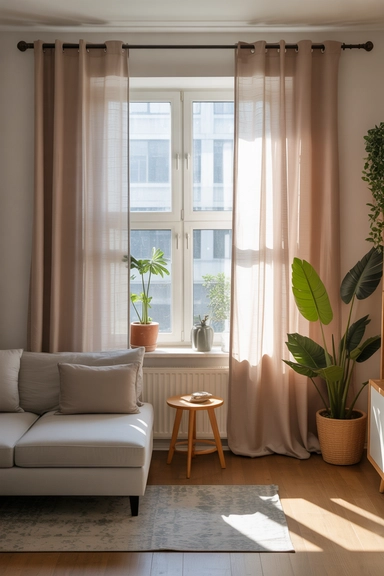
Heavy window treatments quickly overwhelm small spaces. Tiny living room decor ideas favor light, minimal coverings that allow maximum natural light to enter. Sheer or softly textured curtains maintain privacy without blocking daylight.
Mounting curtains higher than the window frame also improves proportion and draws attention upward. Light-colored fabrics prevent harsh contrast near windows. When window treatments remain subtle, they protect openness rather than reducing it.
11. Creating Clear Pathways to Improve Flow
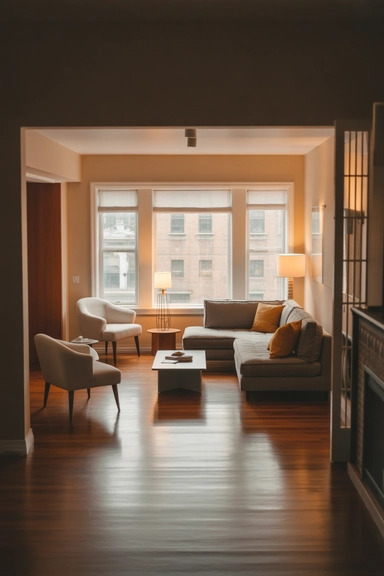
Clear pathways are critical in tiny living room decor ideas because tight circulation makes spaces feel cramped. Furniture should be arranged to support easy movement without weaving or squeezing through gaps. When pathways are defined, the room feels more functional and comfortable.
Removing unnecessary pieces often improves flow instantly. Each furniture item should earn its place by supporting movement or function. When circulation is clear, the room feels larger and more welcoming.
12. Using Consistent Finishes to Avoid Visual Fragmentation
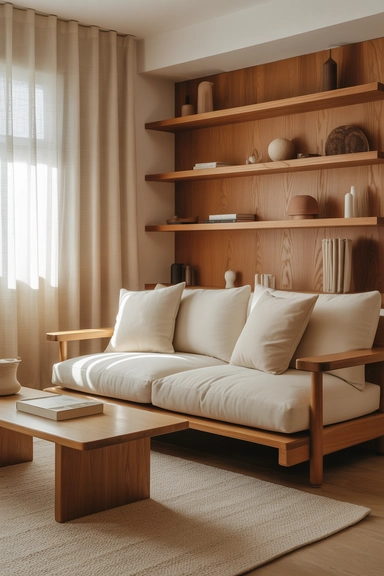
Consistency helps small spaces feel calm and cohesive. Tiny living room decor ideas avoid mixing too many finishes, colors, or materials because contrast becomes exaggerated in limited space. Repeating tones across furniture, decor, and textiles reduces visual breaks.
This does not require everything to match, but finishes should relate. When the room reads as a unified whole, the eye moves smoothly across it. Visual continuity is one of the strongest tools for making a tiny living room feel open.
13. Using Rugs to Unify the Space Instead of Breaking It Up
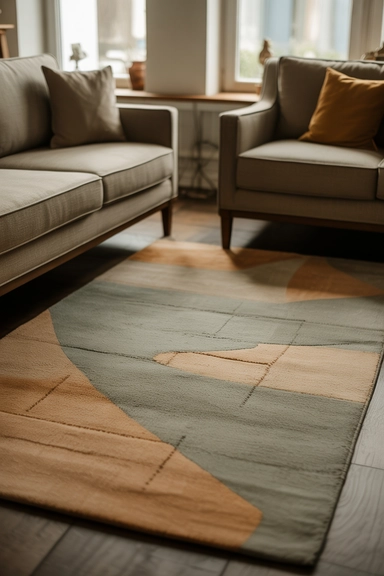
Rugs can either open up a tiny living room or make it feel more crowded, depending on how they are used. In small spaces, multiple small rugs often fragment the floor visually, creating boundaries that shrink the room. Tiny living room decor ideas work best when one properly sized rug anchors the seating area and allows the floor to read as a single, continuous surface. This visual continuity helps the room feel wider and more settled.
The rug should extend under the front legs of seating to connect furniture pieces rather than isolate them. Light to mid-tone rugs with subtle pattern or texture add interest without dominating the space. When the rug unifies rather than divides, the room feels calmer and more open.
14. Keeping Wall Decor Minimal and Well-Spaced
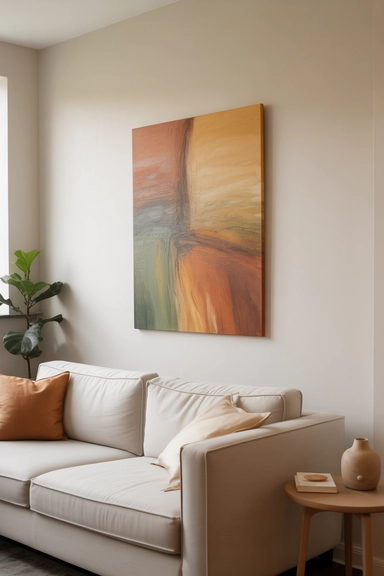
Wall decor carries more visual weight in small rooms because it sits directly in the line of sight. Overloading walls with multiple frames or busy arrangements quickly makes a tiny living room feel compressed. Tiny living room decor ideas favor fewer, larger pieces with enough breathing room around them to avoid visual clutter.
One well-placed artwork or a simple arrangement with clear spacing allows the wall to remain part of the room rather than a distraction. Choosing art with lighter backgrounds or restrained color palettes also helps maintain openness. When walls are treated with restraint, the room feels more expansive and composed.
15. Using Lighting to Open the Room, Not Crowd It
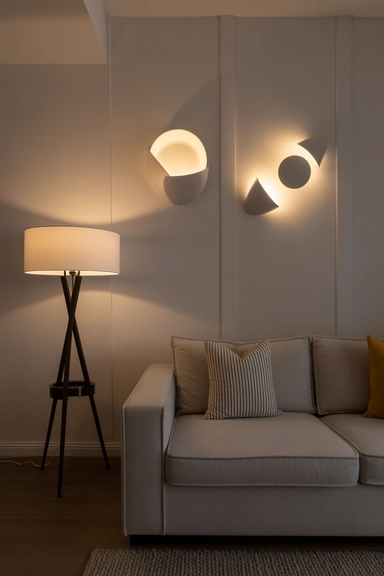
Lighting choices strongly influence how open a tiny living room feels. Relying on a single overhead fixture often creates harsh shadows and draws attention to the room’s limits. Tiny living room decor ideas benefit from layered lighting that spreads light evenly and reduces visual pressure on any one area.
Wall-adjacent lamps, slim floor lamps, and table lamps placed near seating soften the space without taking up floor area. Warm, consistent lighting temperatures prevent visual fragmentation. When lighting is distributed thoughtfully, the room feels wider, calmer, and more comfortable.
16. Editing Furniture to Only What the Room Truly Needs
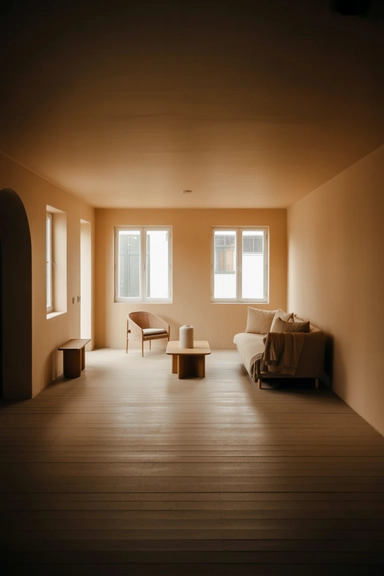
One of the most effective ways to make a tiny living room feel open is to remove furniture that does not serve a clear purpose. Extra chairs, side tables, or decorative pieces often remain out of habit rather than necessity. Tiny living room decor ideas rely on careful editing to reduce congestion and improve flow.
Each remaining piece should support how the room is actually used. Removing even one unnecessary item can dramatically improve circulation and visual clarity. When furniture is edited intentionally, the room gains space without any renovation or expense.
17. Letting Negative Space Become Part of the Design
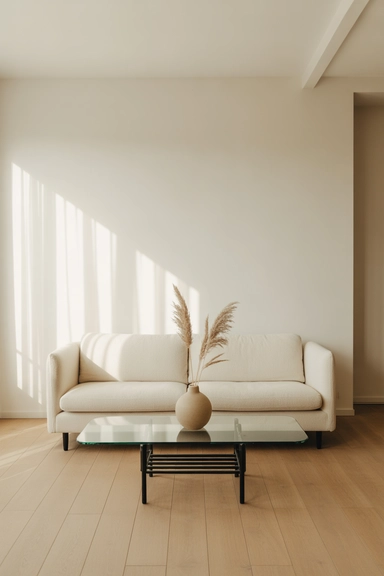
Negative space is not empty or unfinished; it is an active design element in small rooms. Tiny living room decor ideas embrace open areas around furniture and decor to give the eye a place to rest. Without negative space, every element competes for attention, making the room feel busy and tight.
Allowing space between furniture, along walls, and on surfaces creates a sense of order and calm. This breathing room improves readability and makes the space feel more deliberate. When negative space is respected, the room feels lighter and more open.
18. Designing for Daily Use Rather Than Visual Density
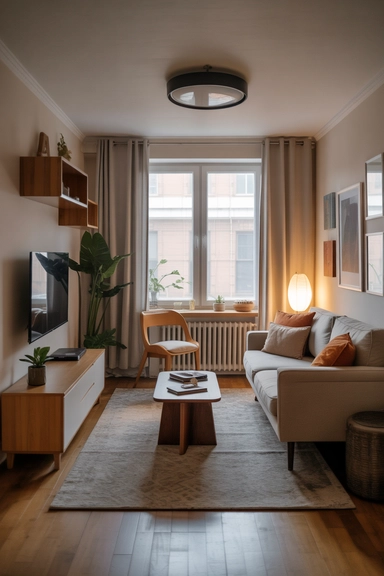
A tiny living room feels most open when it is designed around daily use rather than decorative density. Styling a small space too heavily often prioritizes appearance over comfort, which leads to clutter and frustration. Tiny living room decor ideas focus on how the room functions throughout the day, not how much can fit inside it.
When seating, storage, and lighting support real habits, the room naturally feels easier to use and more open. Functional clarity reduces the urge to overdecorate. A space designed for living rather than filling feels balanced and breathable.
Conclusion
Tiny living room decor ideas succeed when openness becomes the priority guiding every decision. By focusing on layout, scale, restraint, and function, small spaces can feel calm and intentional rather than crowded. Openness is created through clarity, not emptiness, and through thoughtful editing rather than constant addition. When each element earns its place and supports how the room is used, even the smallest living room can feel balanced, comfortable, and thoughtfully designed.