19 Budget Living Room Makeover Ideas That Look High-End
Introduction
Budget living room makeover ideas work best when the focus shifts away from buying more and toward using what already exists more intelligently. Many living rooms feel unfinished not because they lack expensive pieces, but because layout, lighting, and proportion are overlooked—an issue also common in living room decor ideas on a budget . A high-end look is usually the result of restraint, balance, and deliberate placement rather than cost. When budget decisions are guided by how a room functions and flows, even modest updates can dramatically improve how the space feels without unnecessary spending.
1. Reworking Furniture Placement Before Replacing Anything
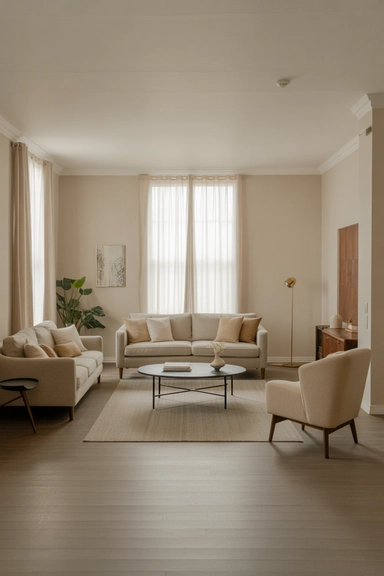
One of the most effective budget living room makeover ideas is reworking furniture placement instead of shopping immediately. Poor layout often makes a room feel cramped, awkward, or unfinished, regardless of decor quality. Pulling furniture away from walls, tightening conversation zones, and correcting spacing between pieces can instantly improve balance. This approach costs nothing yet changes how the room functions and feels. When furniture is arranged intentionally, the space appears calmer and more considered.
Repositioning also helps identify what the room actually needs. Once layout issues are resolved, unnecessary purchases become obvious. Many people discover that a living room feels complete without additional decor once furniture supports natural movement and sightlines. This clarity prevents wasted spending and sets a strong foundation for any future updates.
2. Using Paint Strategically Instead of Repainting Everything
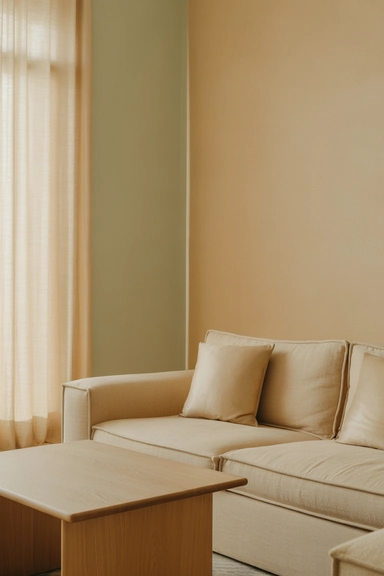
Paint is often associated with full-room changes, but strategic use delivers better results on a budget. Rather than repainting the entire living room, focusing on a single wall, trim, or subtle color shift can refresh the space without overwhelming it. Neutral, soft tones tend to age better and make inexpensive furniture look more refined. The goal is not bold impact, but visual calm and cohesion.
High-end rooms rarely rely on dramatic color alone. Instead, they use paint to support light, texture, and proportion. Refreshing scuffed walls or dull finishes improves how light reflects in the room, which immediately elevates the overall feel. Thoughtful paint choices provide one of the highest returns on a limited budget.
3. Updating Lighting to Replace Flat, Overhead Illumination
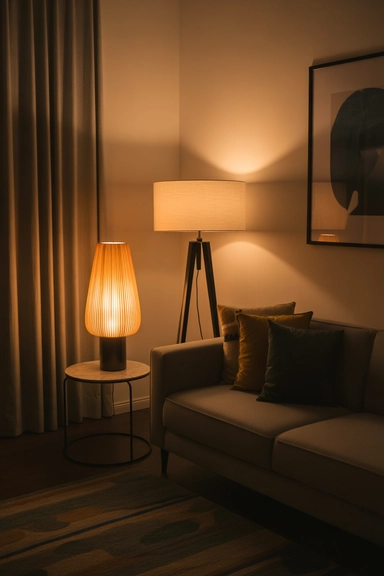
Lighting is a defining element in budget living room makeover ideas because it changes atmosphere without structural changes. Many living rooms rely on a single overhead light that flattens the space and exaggerates flaws. Introducing layered lighting through floor lamps and table lamps adds depth, warmth, and control. This approach instantly makes the room feel more intentional and comfortable.
Warm bulbs, consistent light temperature, and varied lamp heights matter more than fixture cost. When lighting is placed near seating areas, it improves both function and mood. High-end spaces prioritize how light is experienced rather than how fixtures look. This mindset transforms even inexpensive lighting into a design advantage.
4. Adding One Oversized Element Instead of Multiple Small Ones
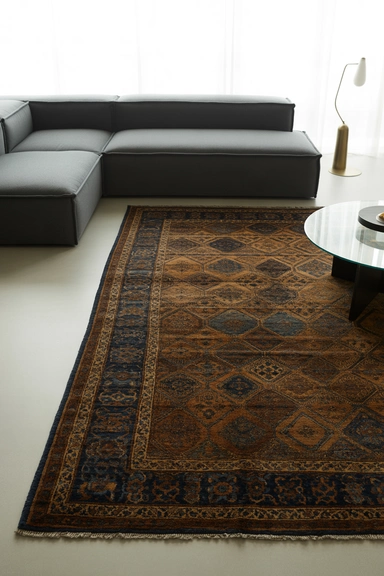
A common budget mistake is filling the living room with many small decor items that add clutter rather than impact. One oversized element—such as a large rug, artwork, or mirror—creates a stronger visual anchor and makes the room feel more complete. Larger pieces reduce visual noise and give the impression of confidence and planning.
Oversized elements also simplify styling decisions. They require fewer accessories to feel finished and help establish scale, which is often missing in budget spaces. When the room has a clear focal point, everything else falls into place more easily. This approach maximizes visual impact while minimizing spending.
5. Swapping Soft Furnishings Instead of Buying New Furniture
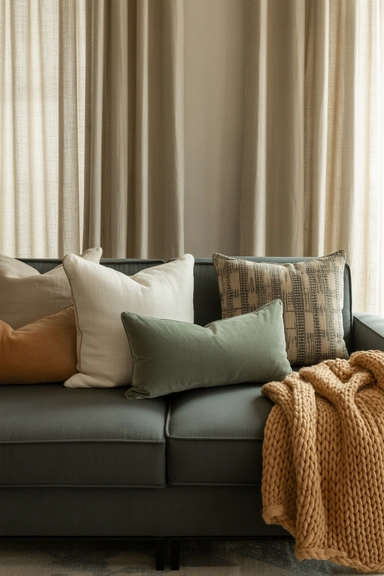
One of the smartest budget living room makeover ideas is refreshing soft furnishings rather than replacing furniture. Cushions, throws, and curtains influence how finished a room feels far more than many realize. Worn or mismatched textiles make even good furniture look tired. Updating these elements introduces new color, texture, and contrast without large expense. When textiles are chosen with a cohesive palette, they visually connect different pieces and bring consistency to the space.
High-end rooms rely heavily on texture rather than bold pattern. Mixing materials such as linen, wool, and cotton creates depth without visual noise. Keeping colors restrained prevents the room from feeling busy or temporary. Small textile changes often deliver a bigger perceived upgrade than costly furniture replacements.
6. Styling Surfaces With Fewer, Better-Placed Objects
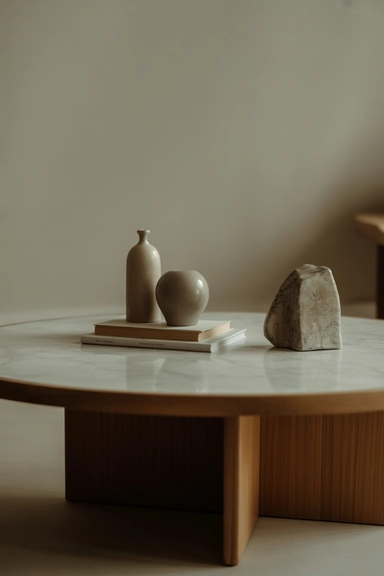
Surface styling plays a critical role in budget living room makeover ideas because clutter instantly lowers perceived quality. Coffee tables, consoles, and shelves should not be filled simply to avoid emptiness. Instead, a few well-chosen objects arranged with space around them feel intentional and refined. This restraint mirrors how professionally designed spaces are styled, regardless of budget.
Grouping objects in odd numbers, varying heights, and leaving negative space improves balance. Everyday items can work as decor when arranged thoughtfully. Removing excess pieces often has a greater impact than adding new ones. A calmer visual field makes the entire room feel more expensive and easier to live in.
7. Improving Flow by Clearing Visual and Physical Obstacles
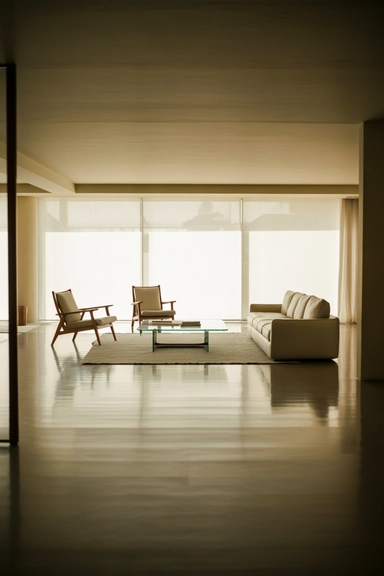
A high-end look depends heavily on how easily a room can be navigated. One overlooked budget living room makeover idea is removing furniture or decor that blocks natural movement. Chairs placed too close together, oversized tables, or unnecessary pieces disrupt flow and make rooms feel smaller. Clearing these obstacles improves comfort immediately.
When pathways are clear, the room feels more open and intentional. This also highlights key features instead of competing elements. Evaluating how people move through the space often reveals what should be removed rather than added. Improving flow costs nothing and delivers one of the strongest visual upgrades.
8. Using Curtains to Add Height and Softness on a Budget
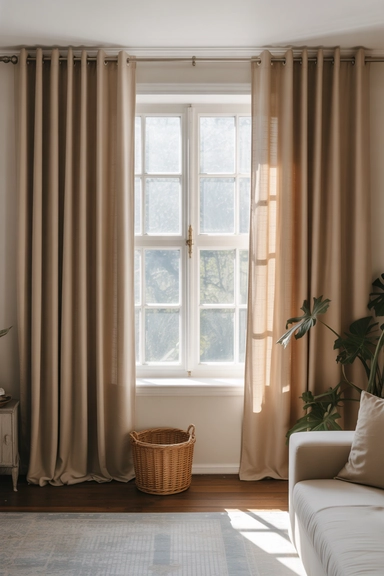
Curtains are an affordable way to change proportion and softness in a living room. Hanging curtains higher than the window frame visually raises the ceiling and makes the room feel more spacious. Even budget-friendly fabrics look refined when installed correctly. This simple adjustment often creates a dramatic upgrade without replacing windows or hardware.
Neutral fabrics in simple weaves age better and adapt to changing decor. Curtains also soften sound and light, which improves comfort. When panels are long enough to skim the floor, the room appears more polished. Proper curtain placement is a small change with high visual payoff.
9. Introducing Mirrors to Expand Light and Space
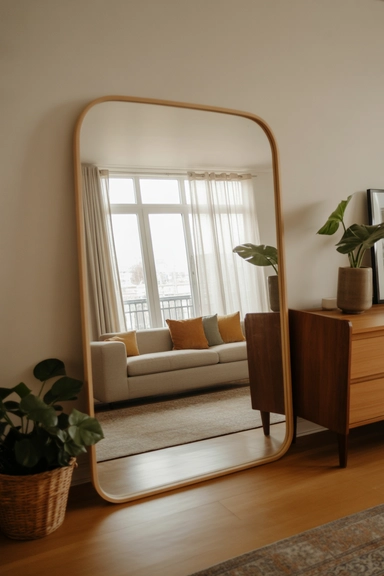
Mirrors are powerful budget living room makeover ideas because they amplify light and create depth without renovation. A well-placed mirror reflects natural light and makes the room feel larger and brighter. Leaning mirrors or simple wall-mounted options achieve this effect without requiring expensive frames or installations.
The placement matters more than the mirror itself. Reflecting a window or open area enhances brightness, while reflecting clutter reduces impact. Choosing a simple frame keeps the look timeless and adaptable. Mirrors deliver a luxury effect when used thoughtfully, even on a limited budget.
10. Creating a Neutral Base That Makes Budget Pieces Look Intentional
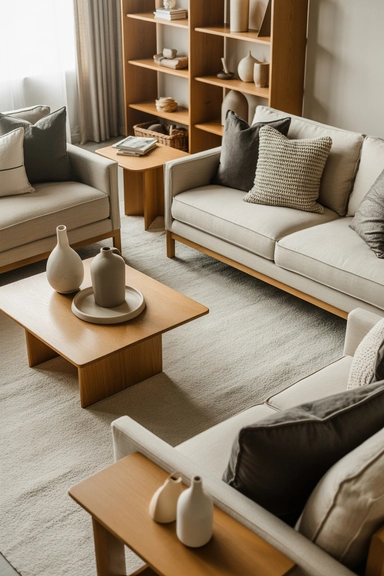
A neutral base allows budget items to look cohesive rather than mismatched. Walls, large furniture, and rugs in calm tones create a backdrop that elevates smaller, affordable pieces. This approach prevents the room from feeling pieced together over time. Instead, it feels composed and deliberate.
Neutrals also allow flexibility. Accessories can change seasonally or as tastes evolve without requiring a full redesign. Texture becomes the focus instead of color, which is common in high-end interiors. A neutral foundation is one of the most reliable ways to achieve a polished look on a budget.
11. Replacing Trend Pieces With Fewer Timeless Elements
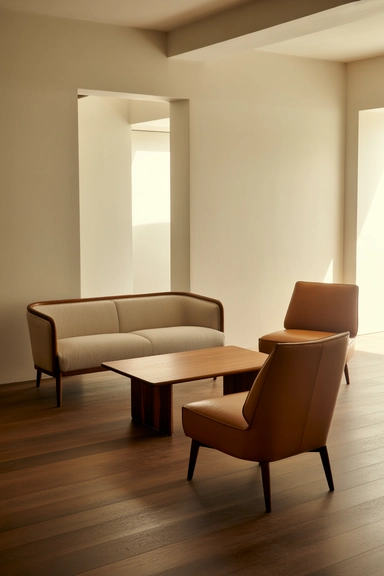
Many budget living room makeover ideas fail because money is spent on trends that age quickly. Trend-driven decor often looks appealing initially but loses relevance within months, forcing repeated updates. Replacing several trend items with one or two timeless elements creates a stronger foundation. Pieces with simple lines, neutral finishes, and durable materials hold visual value longer and adapt to different styles.
Timeless does not mean boring. It means the piece supports the room rather than demanding attention. A well-chosen coffee table, chair, or light fixture reduces the need for constant restyling. Over time, this approach saves money and creates a living room that feels settled instead of continuously in progress.
12. Letting Negative Space Do Part of the Design Work
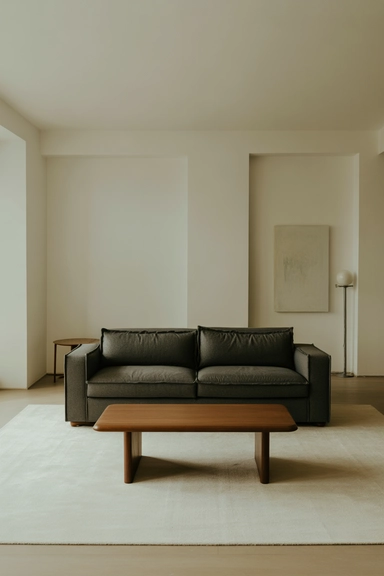
Negative space is rarely considered in budget living room makeover ideas, yet it plays a major role in perceived quality. Rooms feel expensive when surfaces are not crowded and furniture is given breathing room. Leaving space between objects allows each piece to read clearly, which creates visual order and calm.
This does not require removing everything, but it does require editing. Identifying which items add value and which simply fill gaps makes the room feel intentional. High-end interiors often use less, not more, because space itself becomes part of the composition. Negative space costs nothing and improves clarity immediately.
13. Using Texture Instead of Color to Add Depth
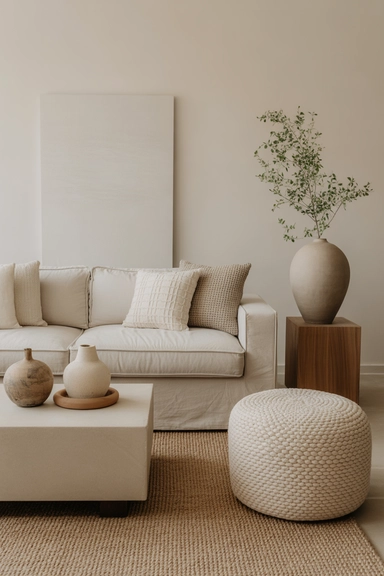
Color is often overused in budget makeovers when texture would be more effective. Introducing varied textures adds depth without overwhelming the room or locking it into a specific palette. Materials like wood, fabric, metal, and ceramic interact with light differently, creating visual interest even in neutral spaces.
Texture works particularly well when budget limits restrict furniture upgrades. A textured throw, woven rug, or matte finish surface adds richness without requiring bold color changes. High-end rooms often rely on subtle material contrast rather than dramatic hues. This approach keeps the living room adaptable and visually layered.
14. Aligning Decor Choices With How the Room Is Actually Used
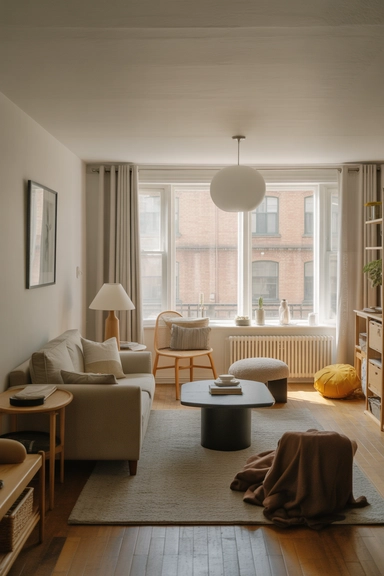
One reason budget living room makeover ideas fall short is ignoring real usage patterns. A room styled for appearance rather than function quickly feels uncomfortable or impractical. Aligning decor decisions with daily habits ensures the space supports how it is lived in, not how it is photographed.
This may mean prioritizing comfortable seating over accent pieces or choosing durable surfaces over delicate finishes. When decor responds to actual needs, the room feels natural and resolved. Practical alignment reduces frustration and prevents unnecessary purchases that do not improve daily experience.
15. Editing Before Buying Anything New
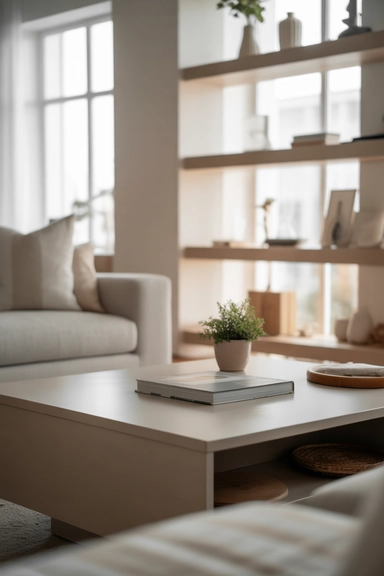
Editing is one of the most effective yet overlooked budget living room makeover ideas. Before purchasing new decor, removing mismatched or redundant items often reveals a more cohesive space. Many rooms feel unfinished because too many unrelated elements compete for attention.
Editing clarifies what the room truly lacks. It highlights gaps that matter and prevents impulse spending. High-end spaces are carefully edited, not endlessly added to. By subtracting before adding, budget makeovers achieve clarity and balance that no single purchase can replicate.
16. Using One Statement Piece to Anchor the Entire Room
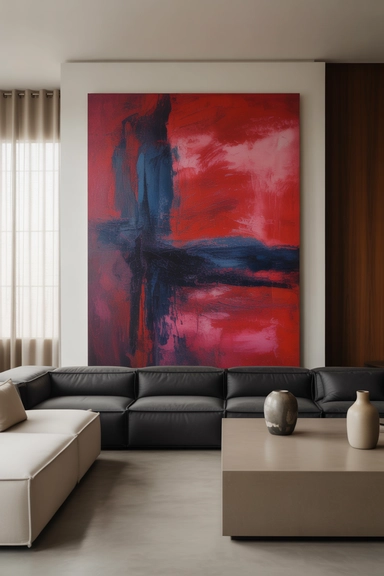
A single statement piece often does more for a budget living room makeover than multiple smaller upgrades. This could be a rug, artwork, mirror, or lighting element that visually anchors the space. When one piece carries visual weight, the rest of the room can remain simple without feeling unfinished. The mistake many people make is spreading their budget thin across many items instead of committing to one focal element.
The statement piece should feel intentional and proportionate to the room. Oversized elements tend to work better than undersized ones because they establish scale and confidence. Once the focal point is in place, styling becomes easier and more restrained. This approach reduces decision fatigue and creates a composed, high-end impression.
17. Updating Hardware and Small Details That Affect Perception
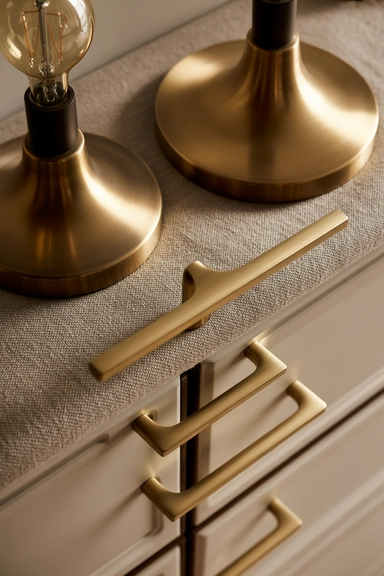
Small details play a disproportionate role in how polished a living room feels. Budget living room makeover ideas often overlook elements like lamp shades, drawer pulls, or visible hardware. These components are touched and seen frequently, which makes their quality noticeable. Swapping dated or mismatched details creates a subtle but meaningful upgrade.
Consistency matters more than style here. Matching finishes across visible elements brings cohesion even when furniture pieces differ. These changes are usually inexpensive but contribute to a sense of care and completeness. High-end spaces feel intentional because details align, not because everything is expensive.
18. Letting Lighting Temperature Set the Mood
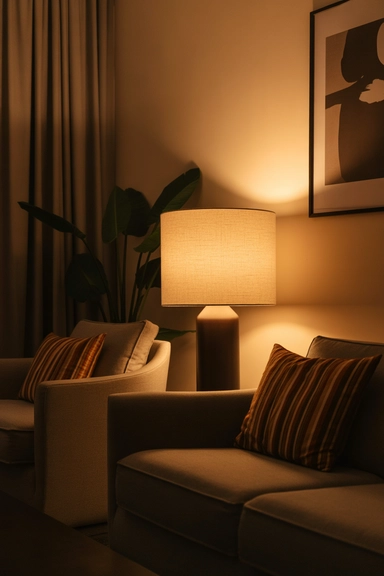
Lighting temperature is rarely discussed in budget makeovers, yet it strongly influences how expensive a room feels. Mixing cool and warm bulbs creates visual tension and flattens the space. Choosing a consistent warm temperature across lamps creates cohesion and comfort.
Warm lighting softens edges, reduces harsh contrast, and enhances textures. This makes even budget furniture appear more refined. The change requires no new fixtures, only thoughtful bulb selection. When lighting temperature is consistent, the room feels calmer and more deliberate, reinforcing a high-end atmosphere.
19. Knowing When the Room Is Finished
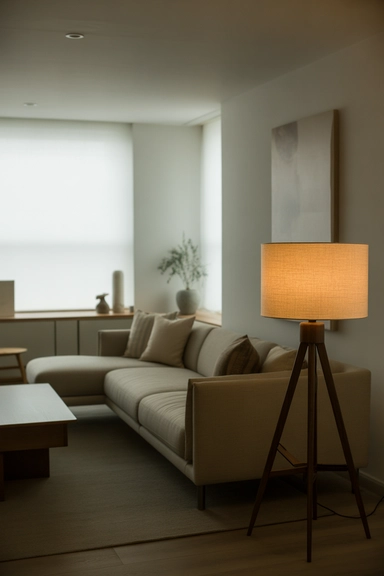
One of the most important budget living room makeover ideas is recognizing when to stop. Many rooms lose their polish because they are endlessly adjusted without clear direction. A finished room feels balanced, functional, and calm, not full.
Knowing when to stop requires stepping back and evaluating the space as a whole. If the room supports daily use and nothing feels unresolved, additional decor is unnecessary. High-end interiors often feel complete because they are edited and respected. Stopping at the right moment preserves clarity and prevents budget creep.
Conclusion
A high-end living room is rarely the result of high spending. It is built through deliberate choices, restraint, and attention to how space, light, and function interact. Budget living room makeover ideas succeed when decisions are guided by clarity rather than impulse. By prioritizing layout, editing, and thoughtful upgrades, a living room can feel composed and finished without constant buying. When each change serves a purpose, the space reflects intention rather than cost, which is the foundation of a truly polished home.