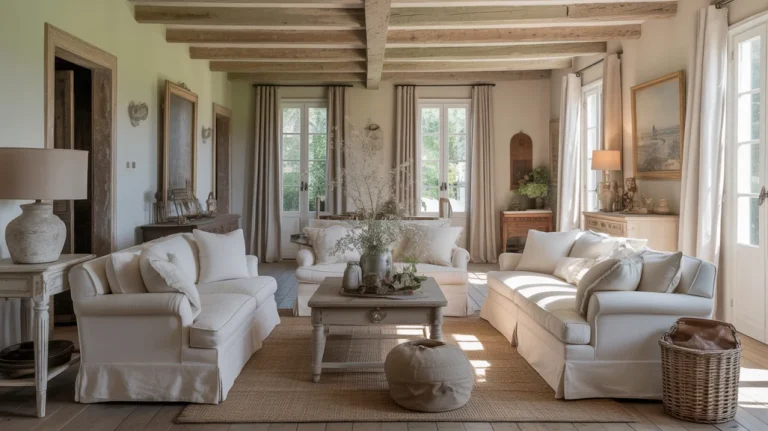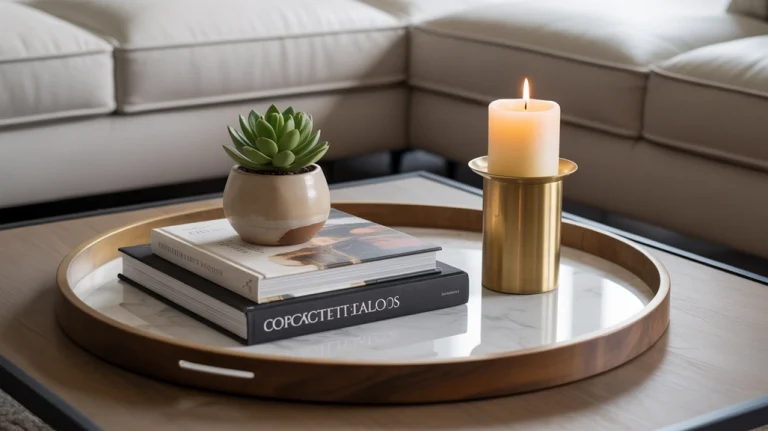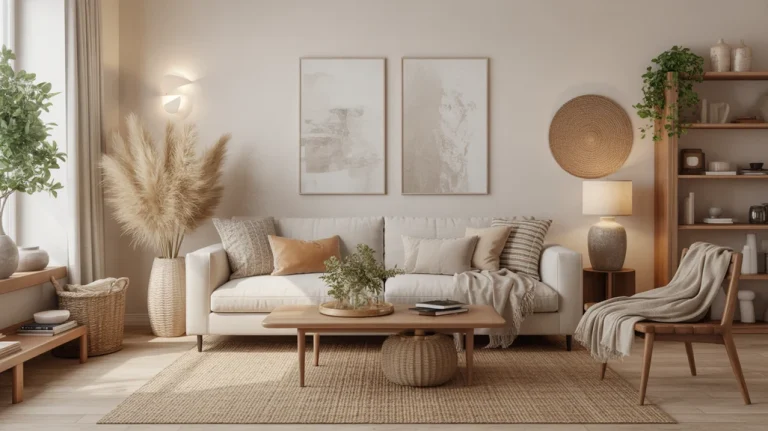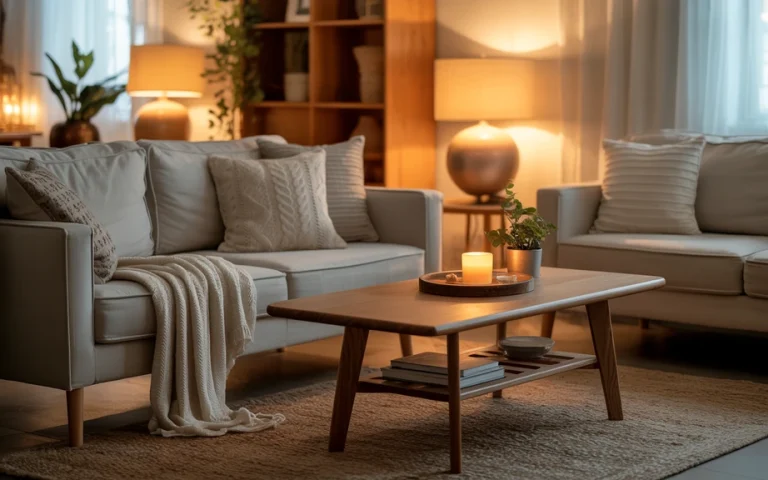
21 Living Room Dining Room Decor Ideas That Flow
Introduction
Living room dining room decor ideas require a thoughtful approach because two functional spaces must coexist without competing visually. When flow is ignored, combined layouts can feel cluttered, awkward, or disjointed rather than open and inviting. The goal is to guide movement naturally while allowing each area to feel purposeful and connected. This balance comes from layout decisions, consistent materials, and visual rhythm rather than decorative excess. Many of these principles build naturally on living room dining room decor ideas that focus on balance and flow, where zoning is achieved through design rather than physical separation.
1. Using Area Rugs to Define Without Dividing
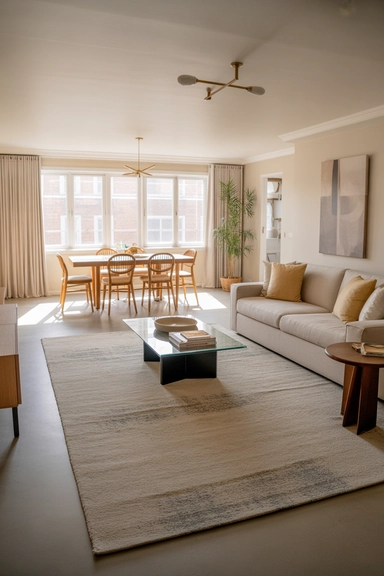
Area rugs are one of the most effective tools for separating living and dining areas while maintaining openness. In well-planned living room dining room decor ideas, rugs visually anchor each zone without creating hard boundaries. A rug beneath the seating area signals the living space, while leaving the dining area open or lightly grounded preserves flow.
Size and placement matter greatly. Rugs should be proportionate to furniture and never float awkwardly within the space. When rugs align cleanly with seating layouts, they define zones subtly while keeping the overall layout connected and visually calm.
2. Keeping Furniture Aligned for Easy Movement
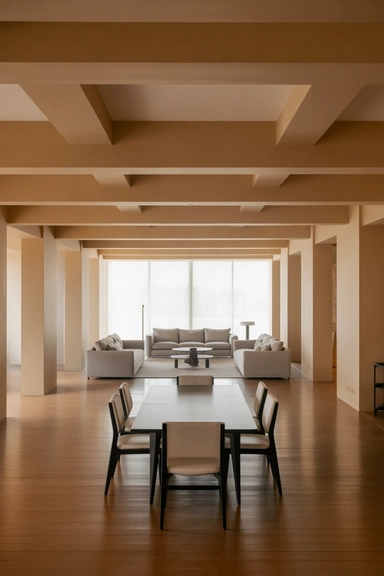
Furniture alignment directly affects how smoothly a combined space functions. In balanced living room dining room decor ideas, seating and dining furniture are positioned to support natural walkways between zones. Clear paths reduce visual tension and make the space feel intuitive to move through.
Avoid placing furniture at random angles that disrupt flow. Align sofas, tables, and chairs with walls or architectural lines where possible. When furniture placement respects circulation, the combined space feels organized, comfortable, and visually cohesive rather than crowded or chaotic.
3. Using Consistent Materials Across Both Areas
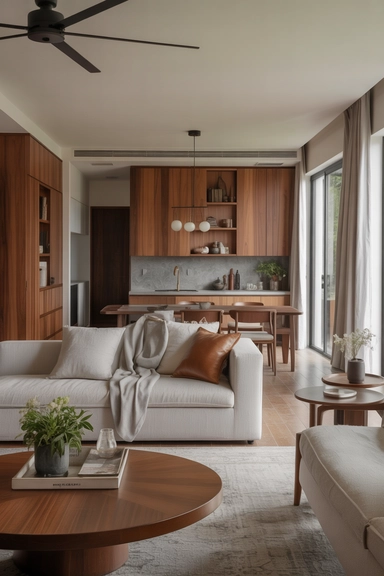
Material consistency helps living and dining areas feel like parts of a single design rather than separate rooms forced together. In refined living room dining room decor ideas, materials such as wood tones, metals, or upholstery textures repeat across both spaces to create cohesion.
This does not mean everything must match exactly. Subtle repetition is enough to guide the eye smoothly between zones. When materials echo one another naturally, the transition between living and dining feels effortless, reinforcing flow without visual interruption.
4. Choosing a Unified Color Palette for Continuity
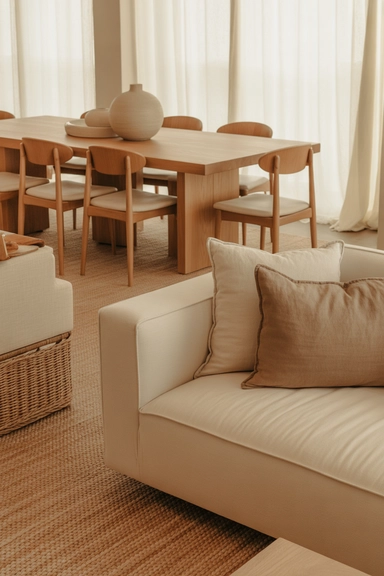
Color plays a major role in whether a combined space feels fluid or fragmented. In thoughtful living room dining room decor ideas, a unified color palette connects both zones while allowing slight tonal variation for interest. This continuity prevents abrupt visual breaks that disrupt flow.
Avoid introducing entirely different color schemes in each area. Instead, let one palette carry through with gentle shifts in shade or texture. When color remains consistent, the combined space feels calm, intentional, and visually connected from one end to the other.
5. Positioning the Dining Table With Clear Purpose
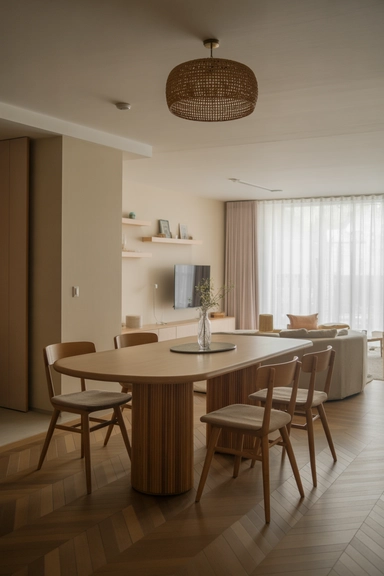
The placement of the dining table can either support flow or interrupt it. In effective living room dining room decor ideas, the dining table is positioned where it feels naturally anchored rather than squeezed into leftover space. Clear boundaries around the table improve movement and usability.
Avoid blocking major walkways or crowding seating areas. The dining zone should feel distinct yet accessible. When the table sits comfortably within the layout, both living and dining areas function smoothly without competing for space or attention.
6. Using Lighting to Separate Zones Subtly
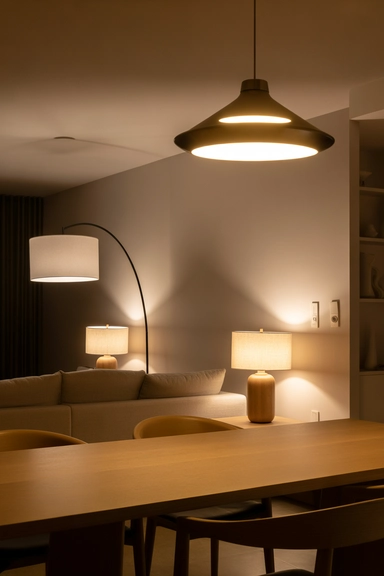
Lighting is a powerful way to define living and dining areas without physical barriers. In effective living room dining room decor ideas, each zone uses its own lighting while maintaining a cohesive overall feel. A pendant light above the dining table signals function, while floor lamps or table lamps soften the living area.
Consistency in light temperature is essential. Mixing warm and cool lighting disrupts flow and creates visual tension. When lighting is layered thoughtfully and aligned stylistically, both areas feel distinct yet connected, supporting smooth transitions throughout the combined space.
7. Keeping Visual Weight Balanced Between Areas
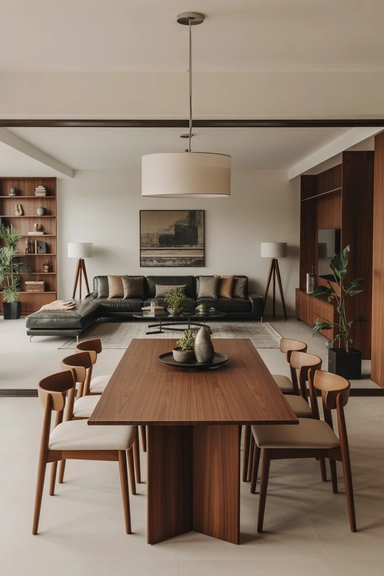
Visual balance ensures that neither the living room nor dining area dominates the space. In refined living room dining room decor ideas, furniture size, decor density, and focal points are distributed evenly across both zones. This balance prevents one area from feeling overloaded while the other feels sparse.
Avoid concentrating heavy furniture or bold decor in a single zone. Instead, allow visual weight to flow naturally from one area to the other. When balance is maintained, the combined layout feels harmonious and easier to visually process.
8. Using Furniture Placement to Guide Circulation
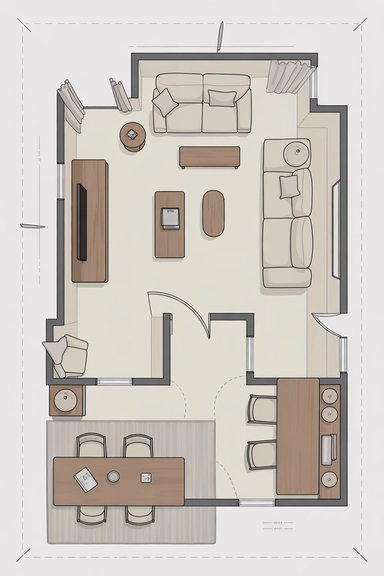
Furniture placement should encourage intuitive movement between living and dining spaces. In thoughtful living room dining room decor ideas, sofas, chairs, and tables are positioned to guide circulation rather than obstruct it. Clear walkways make the space feel open and comfortable.
Avoid placing furniture in ways that force awkward detours. Align seating and dining layouts so movement feels natural. When circulation paths are respected, the space supports everyday use without friction, reinforcing a sense of flow and ease.
9. Choosing Decor That Feels Cohesive Across Zones
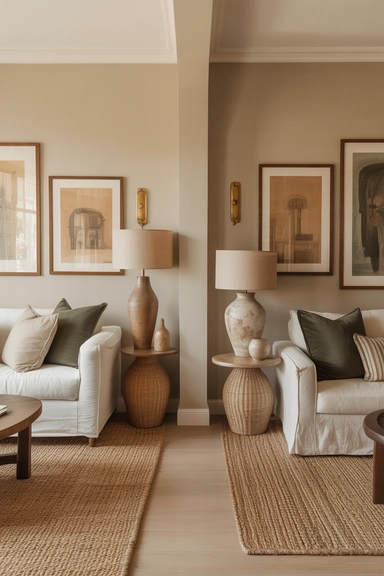
Decor in combined spaces should feel related rather than isolated. In balanced living room dining room decor ideas, decorative elements share similar styles, tones, or textures across both zones. This cohesion helps the space read as one unified environment.
Avoid drastically different decor themes in each area. Instead, allow accents to echo one another subtly. When decor feels connected, the transition between living and dining becomes seamless, enhancing visual flow and overall comfort.
10. Keeping Flooring Consistent to Maintain Continuity
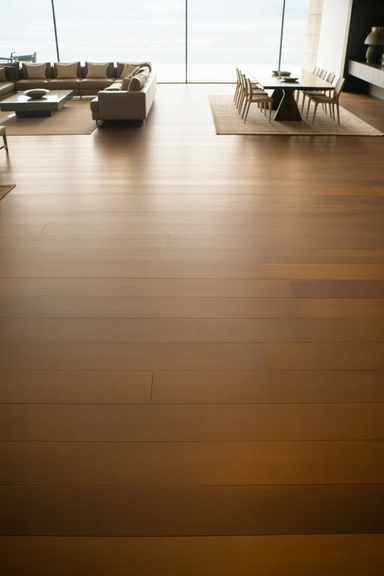
Flooring continuity is essential in combined living and dining spaces. Switching flooring types can disrupt flow and visually divide the room. In effective living room dining room decor ideas, consistent flooring allows the entire area to feel unified.
Rugs can still be used to define zones without breaking continuity. When flooring remains uniform, movement feels uninterrupted and the layout reads as cohesive. This foundation supports all other design choices and reinforces smooth spatial flow.
11. Creating a Clear Visual Anchor for Each Zone
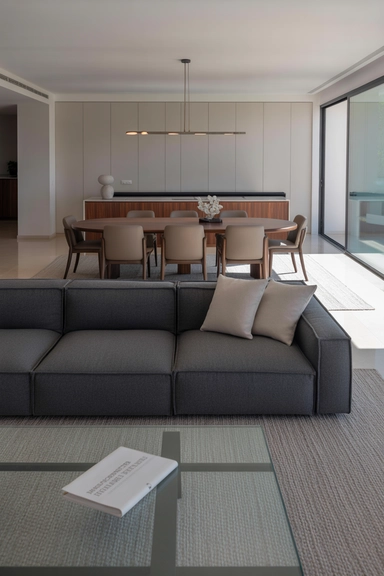
In combined living and dining spaces, visual anchors help each area feel purposeful without breaking flow. In effective living room dining room decor ideas, anchors such as a sofa grouping or a dining table arrangement give each zone a clear center. These anchors provide visual structure, preventing the space from feeling undefined or scattered.
The key is balance. Anchors should relate in scale and presence so one does not overpower the other. When each zone has a clear focal point that feels proportional, the overall layout reads as intentional, calm, and easy to understand.
12. Using Open Furniture to Preserve Sightlines
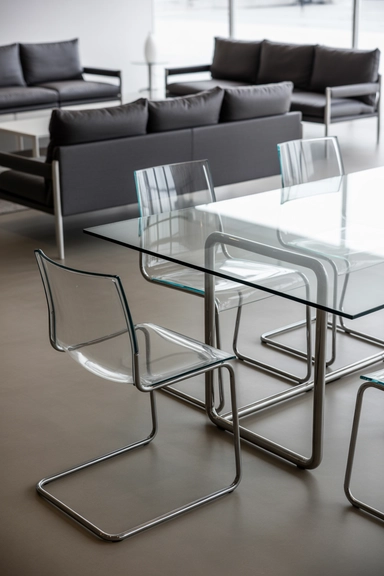
Open furniture supports flow by maintaining visual connection between zones. In refined living room dining room decor ideas, pieces such as open-back chairs, leggy sofas, or glass tables prevent visual blockage while still providing function. This openness keeps the combined space feeling airy rather than segmented.
Avoid heavy furniture with solid backs that interrupt sightlines. The ability to see through pieces allows the eye to move freely across the room. When furniture feels visually light, the transition between living and dining remains smooth and unobstructed.
13. Keeping Decor Heights Varied but Balanced
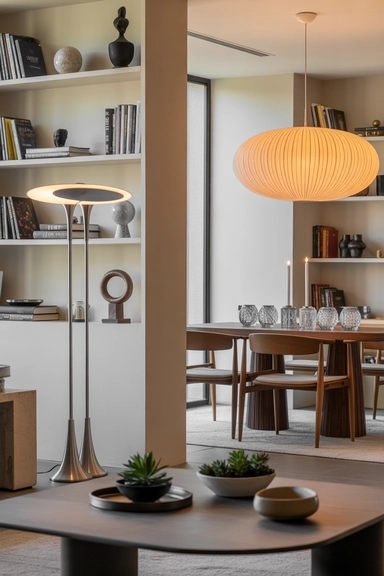
Decor height variation adds interest but must remain controlled in shared spaces. In thoughtful living room dining room decor ideas, decor heights differ subtly across zones without creating visual imbalance. Low decor in one area may be offset by taller elements in another, creating rhythm.
Avoid clustering all tall decor in a single zone. Instead, distribute height evenly to maintain harmony. When decor heights are balanced across the layout, the combined space feels dynamic yet cohesive, supporting flow rather than disrupting it.
14. Using Neutral Foundations With Layered Accents
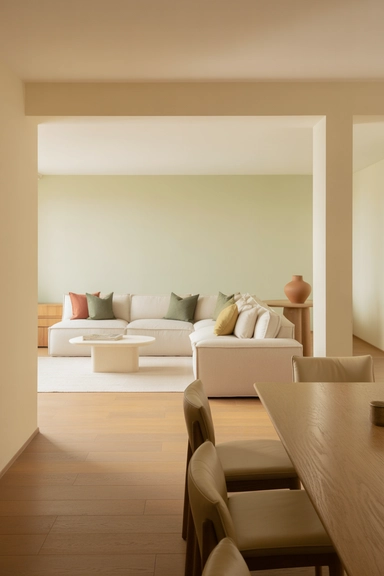
Neutral foundations allow living and dining areas to coexist seamlessly. In balanced living room dining room decor ideas, walls, large furniture, and flooring remain neutral while accents introduce personality. This approach prevents visual overload and keeps the space feeling unified.
Layer accents carefully so they relate across zones. Textiles, artwork, or decor should echo similar tones or textures. When accents feel coordinated rather than isolated, the combined space maintains clarity and flow without becoming visually busy.
15. Respecting Scale Across the Entire Layout
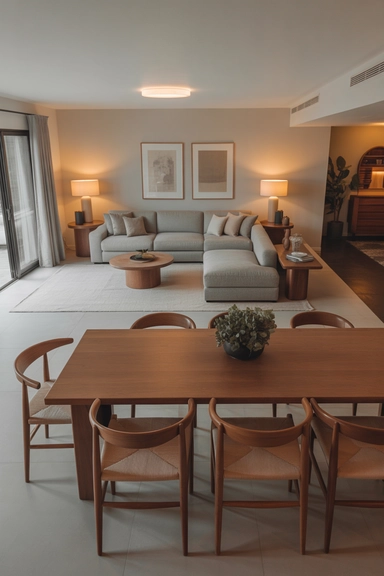
Scale is critical when two zones share one space. In effective living room dining room decor ideas, furniture and decor are chosen with the entire layout in mind rather than treating each zone separately. Oversized pieces in one area can throw off balance and disrupt flow.
Choose pieces that feel proportionate to both zones. When scale remains consistent, the space feels harmonious and comfortable. Proper scale ensures that living and dining areas complement each other rather than compete visually.
16. Using Lighting Scale to Support Both Areas
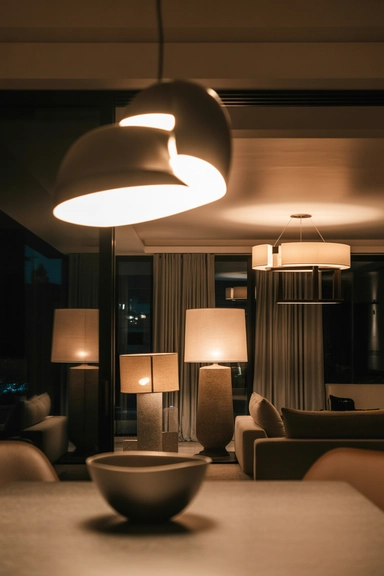
Lighting scale matters greatly in combined living and dining spaces. Fixtures that are too small feel lost, while oversized lights can overpower one zone. In effective living room dining room decor ideas, lighting scale is chosen to feel proportionate across both areas. A statement pendant over the dining table should visually relate to lamps or fixtures in the living area.
This balance prevents visual dominance. Lighting should guide attention gently rather than demand it. When fixture sizes feel coordinated, the entire space feels intentional, cohesive, and visually comfortable to occupy.
17. Allowing Negative Space Between Zones
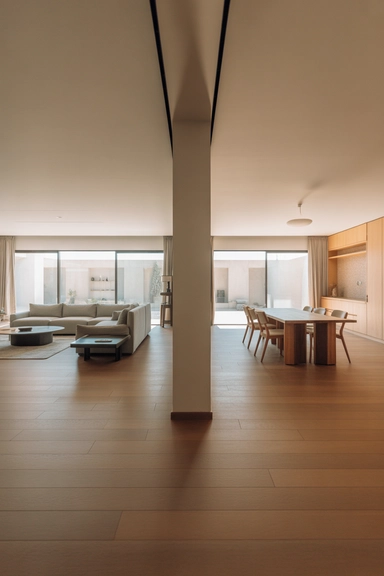
Negative space is essential for flow in shared layouts. Leaving open areas between living and dining zones prevents the space from feeling compressed. In thoughtful living room dining room decor ideas, negative space acts as a buffer that allows each zone to breathe while remaining connected.
Resisting the urge to fill every gap preserves clarity. Open floor space improves movement and visual calm. When negative space is respected, transitions feel natural and the combined room remains open, balanced, and easy to navigate.
18. Using Artwork to Bridge Both Spaces
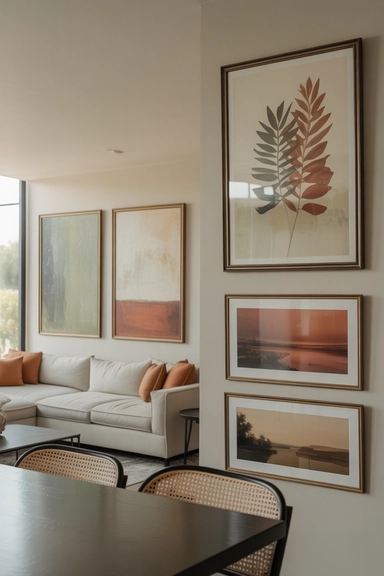
Artwork can visually connect living and dining areas when chosen thoughtfully. In refined living room dining room decor ideas, artwork style, framing, or color palette carries across zones to create continuity. This connection helps the eye move smoothly from one area to the other.
Avoid drastically different art styles that fragment the space. Instead, select pieces that share tone or theme. When artwork feels related across zones, the combined layout reads as a single cohesive environment rather than two separate rooms.
19. Keeping Furniture Orientation Purposeful
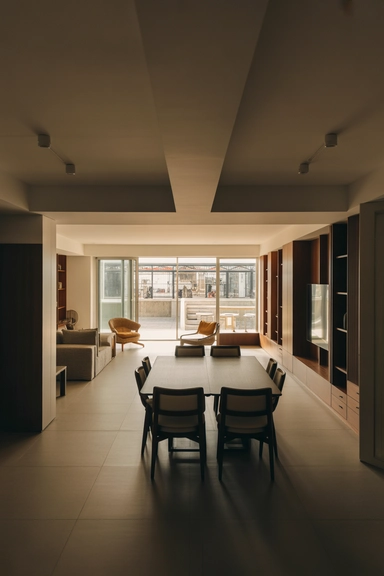
Furniture orientation influences how flow is perceived. In effective living room dining room decor ideas, seating and dining furniture face inward toward their respective zones while remaining visually connected. This orientation supports both function and clarity without closing off space.
Avoid awkward angles that confuse circulation. When furniture faces logical focal points and aligns with movement paths, the layout feels intuitive. Purposeful orientation ensures comfort while maintaining openness throughout the combined area.
20. Using Subtle Repetition to Reinforce Flow
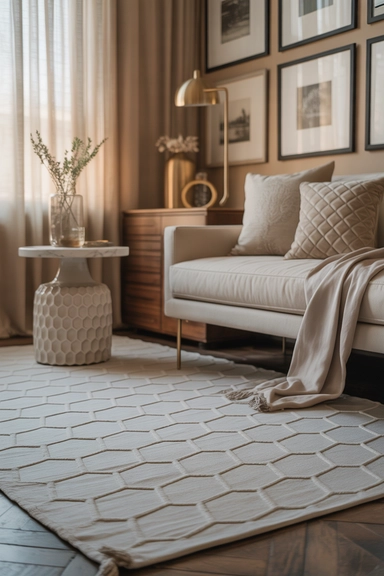
Repetition strengthens visual rhythm in shared spaces. In balanced living room dining room decor ideas, repetition appears through recurring shapes, finishes, or materials rather than obvious matching. This subtle rhythm helps unify zones without monotony.
For example, similar wood tones, metal finishes, or fabric textures can appear in both areas. When repetition is understated, it reinforces flow quietly and effectively, helping the combined space feel cohesive and thoughtfully designed.
21. Knowing When the Space Feels Complete
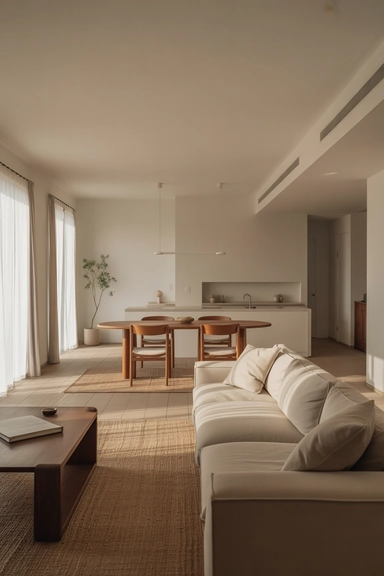
One of the most important aspects of flow is knowing when to stop adding elements. Over-styling can disrupt balance in combined spaces. In thoughtful living room dining room decor ideas, completion is defined by comfort, clarity, and ease of movement rather than fullness.
If both zones feel functional, visually calm, and connected, additional decor may be unnecessary. Allowing the space to rest preserves flow and ensures the layout remains inviting, balanced, and sustainable for everyday living.
Conclusion (70–80 words, compliant)
Living room dining room decor ideas work best when flow guides every design decision. By defining zones through layout, lighting, and proportion rather than walls, shared spaces can feel cohesive and comfortable. Consistent materials, balanced visual weight, and intentional negative space support seamless transitions. When restraint and alignment are prioritized, living and dining areas coexist effortlessly, creating a space that feels open, functional, and naturally connected for everyday use.