20 Open Concept Living Room Decor Ideas That Feel Balanced
Introduction
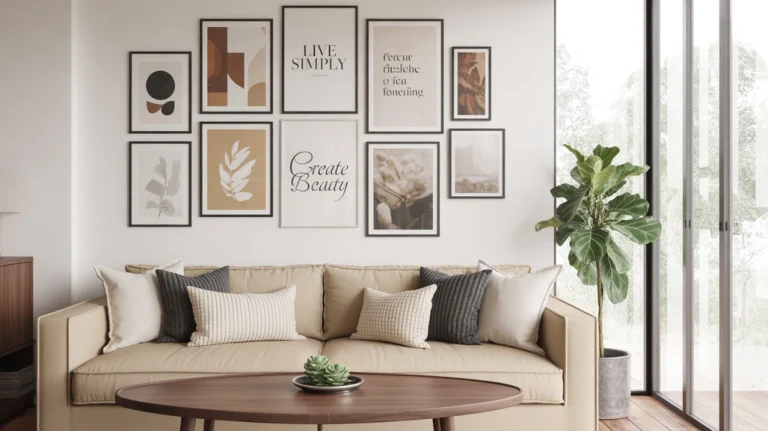
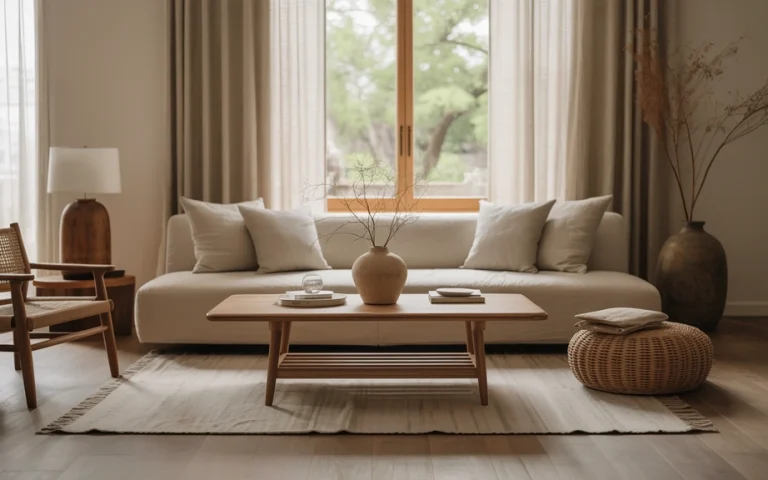
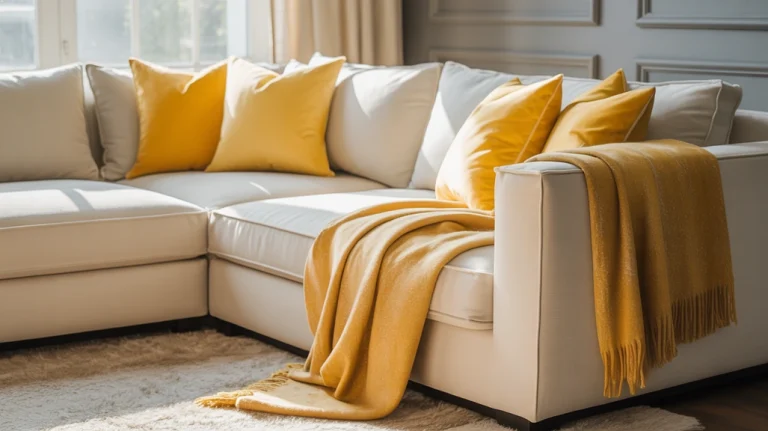
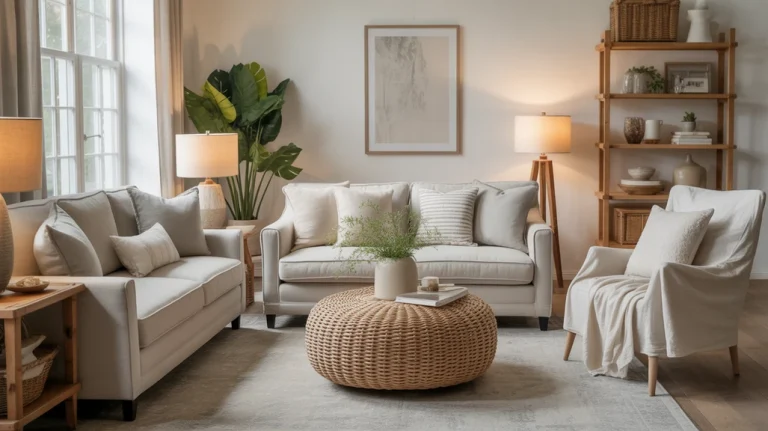
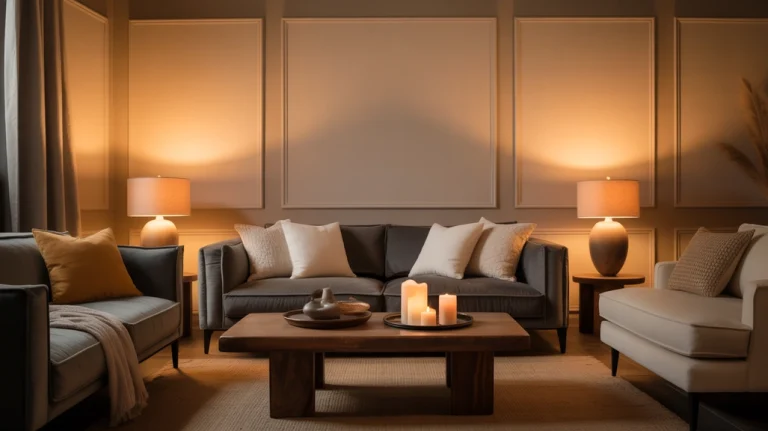
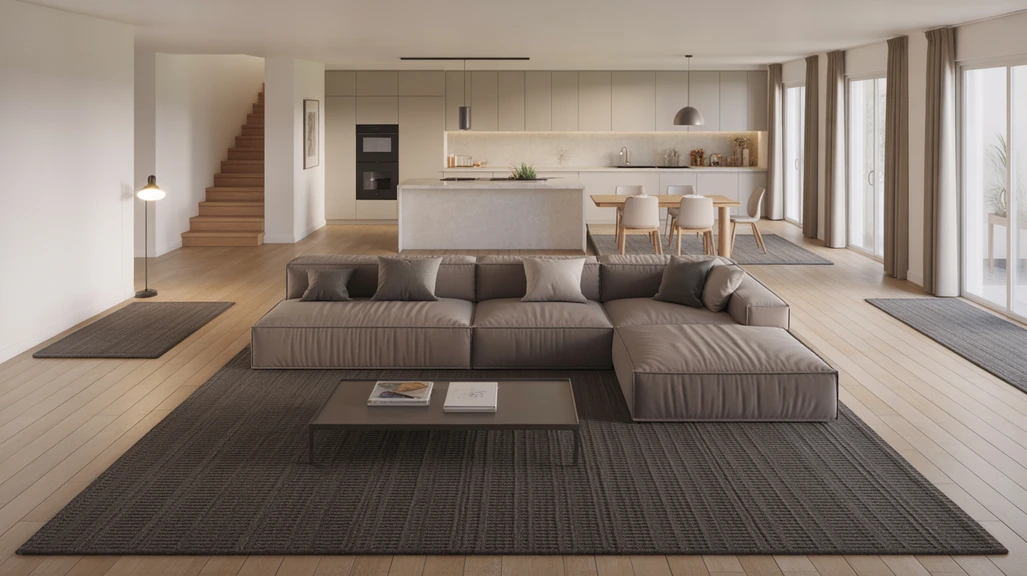
Open concept living room decor ideas require a careful balance between connection and definition. Without walls, spaces can easily feel scattered, visually noisy, or unfinished if zones are not clearly resolved. The goal is to create flow while still giving each area purpose through layout, proportion, and repetition. When done well, open concept living rooms feel calm, cohesive, and intentional rather than chaotic. Many of the most effective strategies align closely with modern living room decor ideas focused on clean structure and thoughtful spacing, where visual balance guides every design decision instead of decoration alone.
1. Using Area Rugs to Define Living Zones
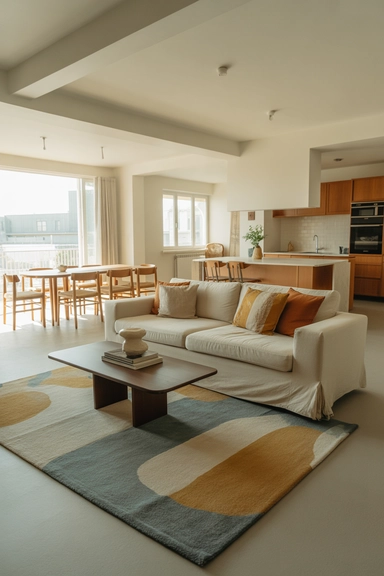
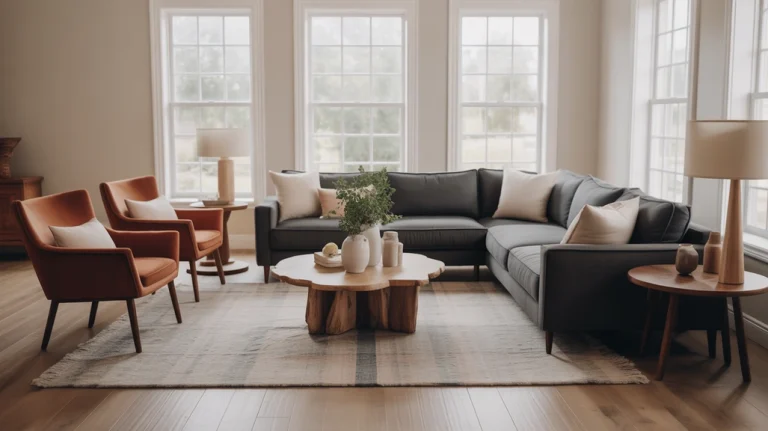
Area rugs are one of the most effective tools for grounding an open concept living room. Without physical boundaries, rugs visually anchor seating areas and signal where the living space begins and ends. In balanced open concept living room decor ideas, rugs help prevent furniture from feeling like it is floating within a large, undefined layout.
Rug size is critical. Too small, and the zone feels fragmented; too large, and it can overpower the space. Ideally, the front legs of sofas and chairs rest on the rug, creating cohesion. When rugs are chosen thoughtfully, they define zones while preserving the open flow that makes open concept layouts appealing.
2. Keeping Furniture Proportions Consistent Across Spaces
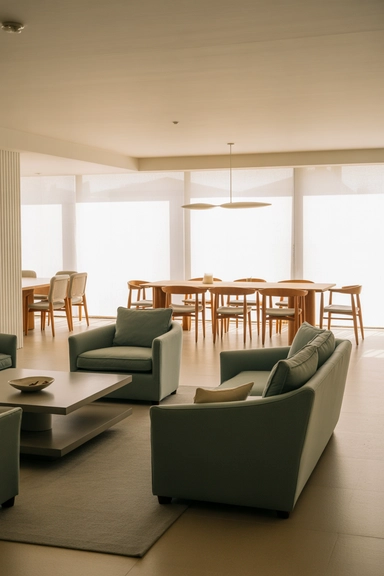
In open layouts, mismatched furniture scale can quickly disrupt balance. Oversized seating paired with smaller dining furniture creates visual tension. In thoughtful open concept living room decor ideas, furniture proportions remain consistent across adjacent zones to maintain harmony.
This does not mean every piece must match, but heights, depths, and visual weight should relate naturally. Sofas, chairs, and tables should feel like they belong to the same environment. When furniture proportions align, the entire open space reads as one cohesive design rather than a collection of separate rooms.
3. Using Color Repetition to Create Visual Continuity
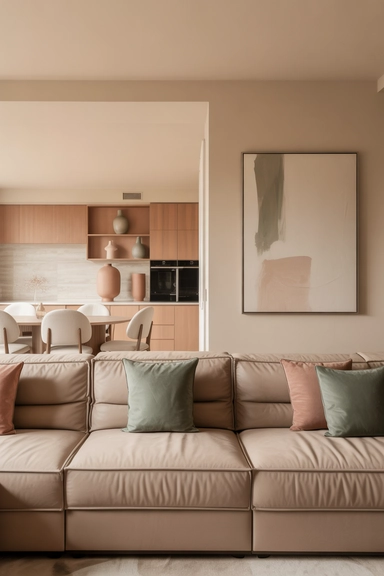
Color repetition helps unify open concept spaces without enclosing them. In balanced open concept living room decor ideas, colors are repeated subtly across textiles, furniture, and decor to create continuity between zones. This repetition guides the eye smoothly through the layout.
Avoid introducing entirely new palettes in each area. Instead, allow one primary palette to flow, with slight tonal variations for interest. When color connects the living room to adjacent spaces, the overall design feels intentional and calm rather than segmented or visually abrupt.
4. Positioning Seating to Support Natural Flow
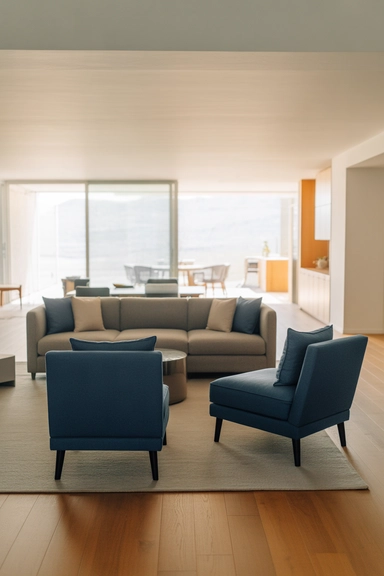
Furniture placement plays a major role in how balanced an open concept living room feels. Seating should support circulation rather than block it. In refined open concept living room decor ideas, sofas and chairs are positioned to define the living zone while maintaining clear pathways through the space.
Avoid pushing all furniture against walls or creating barriers between zones. Floating seating arrangements often work better, allowing movement to remain fluid. When seating aligns with natural traffic patterns, the open layout feels easy to navigate and visually balanced.
5. Using Lighting to Distinguish the Living Area
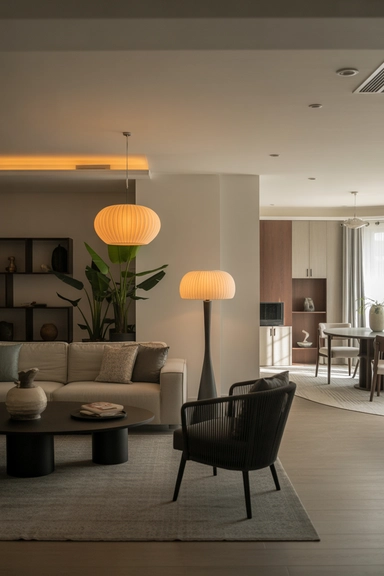
Lighting helps define zones without physical separation. In effective open concept living room decor ideas, layered lighting distinguishes the living area from dining or kitchen spaces. Floor lamps, table lamps, and pendants signal purpose while maintaining openness.
Lighting temperature should remain consistent to avoid visual disconnect. Warm, soft light enhances comfort and cohesion. When lighting is thoughtfully layered and zone-specific, the living room feels anchored within the open plan without disrupting flow or balance.
6. Creating Subtle Boundaries With Furniture Placement
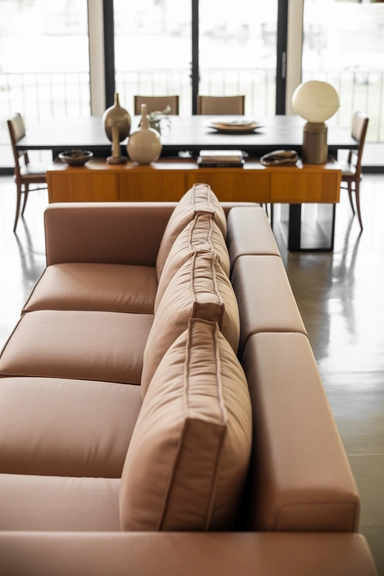
In open layouts, furniture often replaces walls as the primary way to define space. Thoughtful placement creates subtle boundaries without interrupting openness. In balanced open concept living room decor ideas, sofas, consoles, or chairs are positioned to gently signal where the living area ends and another zone begins.
A sofa back facing the dining area or a console table behind seating creates definition while preserving flow. Avoid hard lines or rigid symmetry. When furniture placement guides movement naturally, the open space feels organized, intentional, and visually calm rather than undefined.
7. Keeping Sightlines Clear Across the Layout
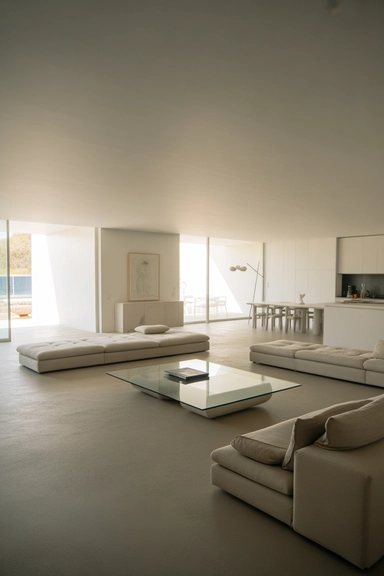
Clear sightlines are essential in open concept living rooms. Blocking views with tall furniture or heavy decor disrupts balance and makes the space feel smaller. In refined open concept living room decor ideas, furniture heights are carefully considered to maintain visual openness across zones.
Low-profile seating, open shelving, and restrained decor help the eye travel freely throughout the space. Avoid placing tall bookcases or bulky storage where they interrupt key views. When sightlines remain uninterrupted, the open layout feels lighter, more spacious, and easier to visually process.
8. Using Repetition of Materials for Cohesion
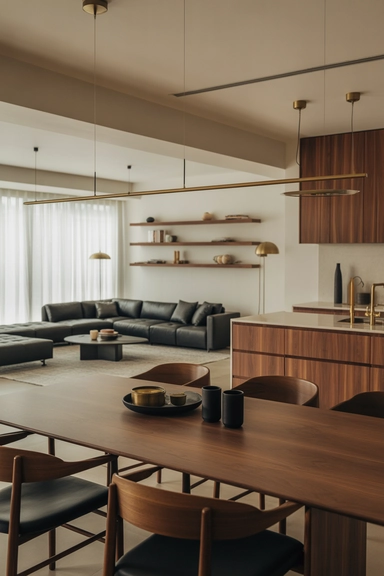
Material repetition strengthens cohesion in open concept designs. When finishes repeat across zones, the space feels unified rather than fragmented. In balanced open concept living room decor ideas, materials such as wood tones, metals, or upholstery textures appear in multiple areas to create continuity.
This repetition should be subtle and intentional. Avoid introducing too many new finishes in adjacent zones. When materials echo each other naturally, the living room connects seamlessly with surrounding spaces, reinforcing balance without sacrificing visual interest.
9. Choosing Decor That Feels Connected, Not Isolated
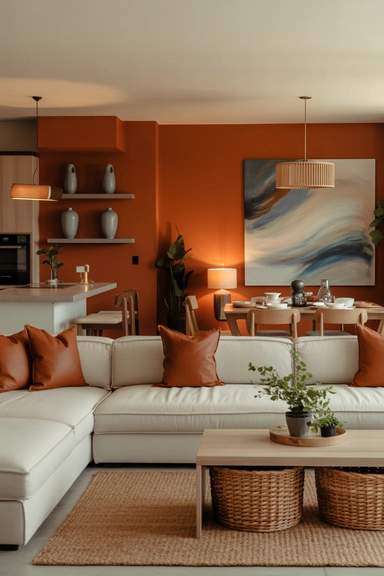
Decor choices in open layouts should relate to the surrounding environment. Isolated statement pieces can feel disconnected and disrupt balance. In thoughtful open concept living room decor ideas, decor elements share scale, color, or texture with nearby zones.
This does not require matching decor exactly. Instead, allow elements to complement one another. When decor feels part of a larger system rather than standalone moments, the open concept living room feels cohesive, calm, and visually resolved.
10. Keeping Flooring Consistent to Maintain Flow
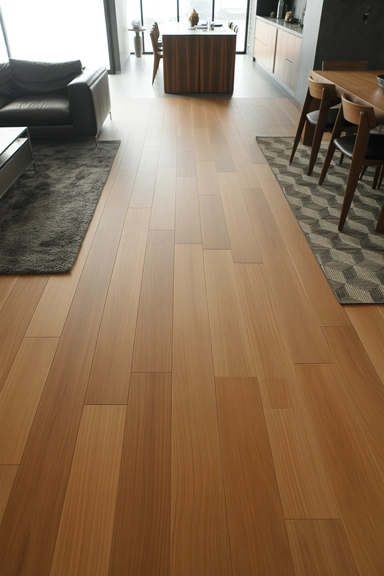
Flooring plays a foundational role in open concept balance. Switching flooring types between zones can interrupt flow and visually divide the space. In refined open concept living room decor ideas, consistent flooring helps the entire area read as one connected environment.
Rugs can still be used to define zones without breaking continuity. When flooring remains uniform, movement feels natural and uninterrupted. This consistency reinforces openness while allowing furniture and lighting to handle spatial definition.
11. Using Symmetry to Create Visual Stability
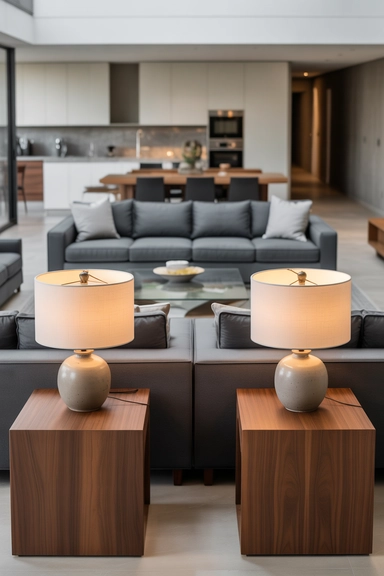
Symmetry helps bring order to open concept living rooms where multiple zones coexist. Balanced arrangements create a sense of calm and predictability within large, flowing layouts. In effective open concept living room decor ideas, symmetry often appears through paired seating, matching side tables, or evenly spaced lighting that anchors the living area.
Symmetry does not require rigidity. Soft balance works just as well, allowing pieces to mirror one another loosely rather than perfectly. When symmetry is introduced thoughtfully, the living room feels grounded and composed, preventing the open layout from feeling scattered or visually unstable.
12. Keeping Decorative Density Even Across Zones
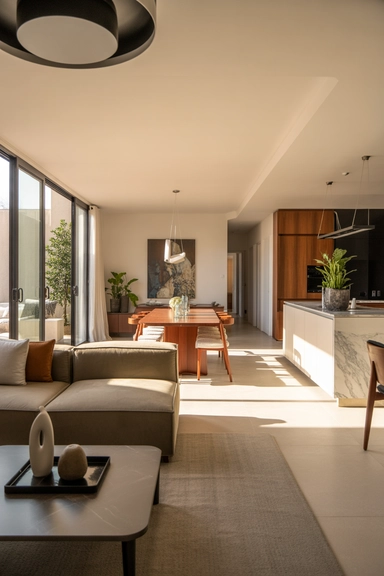
Uneven decor density can throw off balance in open concept spaces. When one area feels heavily styled and another feels sparse, the layout becomes visually disjointed. In refined open concept living room decor ideas, decorative weight is distributed evenly so no single zone feels dominant.
This means adjusting the number, size, and visual impact of decor across areas. Avoid clustering too many accents in one spot while leaving adjacent zones empty. When decor density feels consistent, the entire space reads as cohesive and thoughtfully planned.
13. Using Low-Profile Storage to Reduce Visual Noise
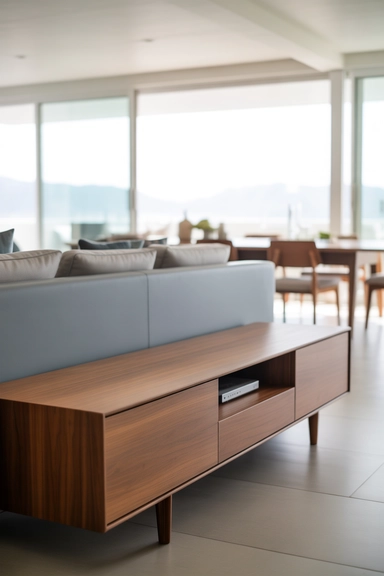
Storage is necessary in open layouts, but bulky units can disrupt balance and block sightlines. In thoughtful open concept living room decor ideas, low-profile storage solutions maintain openness while providing function. Media consoles, sideboards, or built-ins with clean lines help contain clutter without dominating the space.
Closed storage works best to reduce visual noise. Avoid tall, heavy cabinets that break visual flow between zones. When storage remains discreet and proportionate, the open concept living room stays calm, organized, and visually balanced.
14. Anchoring the Living Area With a Clear Focal Point
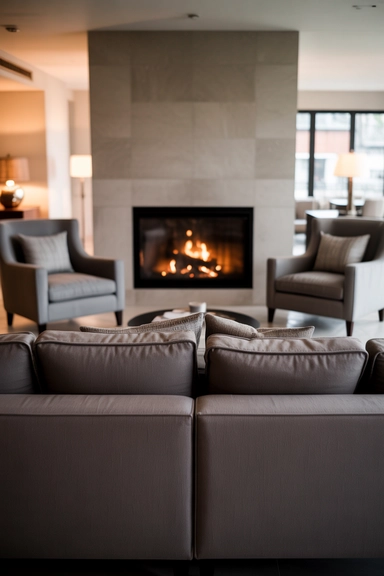
A clear focal point gives the living area identity within an open plan. Without it, the space can feel undefined. In balanced open concept living room decor ideas, focal points such as a fireplace, media wall, or central seating arrangement help anchor the living zone.
The focal point should feel intentional without overpowering the surrounding areas. Avoid competing focal points across adjacent zones. When the living area has a clear visual anchor, the open layout feels structured and harmonious rather than visually scattered.
15. Letting Negative Space Support Balance
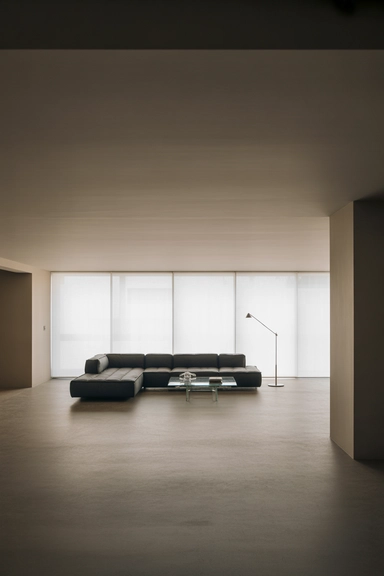
Negative space plays a critical role in open concept living rooms. Leaving areas intentionally open allows the eye to rest and prevents visual overload. In refined open concept living room decor ideas, negative space is treated as a design tool rather than wasted area.
Resisting the urge to fill every corner preserves balance and flow. When open areas remain uncluttered, furniture and decor feel more intentional. This restraint ensures the living room feels calm, spacious, and well-proportioned within the larger open layout.
16. Using Consistent Ceiling Treatments to Unify Space
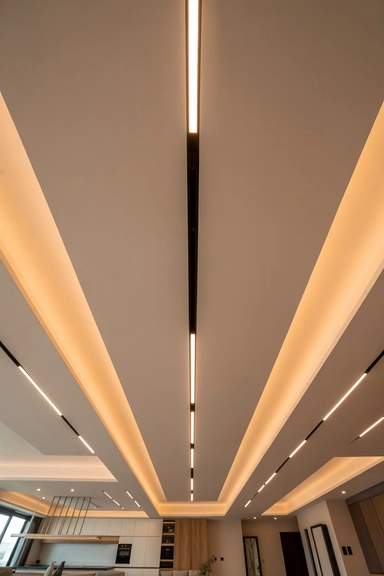
Ceilings are often overlooked in open concept layouts, yet they play a major role in visual balance. In effective open concept living room decor ideas, consistent ceiling treatments help unify multiple zones without enclosing them. Whether it’s a single paint color, continuous molding, or uniform lighting placement, ceiling continuity prevents the space from feeling broken into unrelated sections.
Inconsistent ceiling treatments can visually fragment an open plan. Avoid changing colors or finishes abruptly between areas. When the ceiling reads as one continuous plane, the living room feels naturally connected to adjacent spaces, reinforcing flow and cohesion across the entire layout.
17. Using Texture Instead of Color to Add Depth
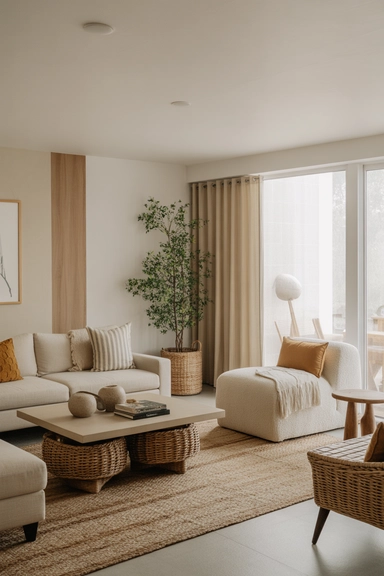
In open layouts, too many color changes can disrupt balance. Texture offers a subtler way to add depth without visual separation. In refined open concept living room decor ideas, texture appears through fabrics, rugs, wood grain, or soft finishes rather than bold color shifts.
Textural layering allows zones to feel distinct while still connected. A woven rug, upholstered seating, or textured wall finish adds interest without interrupting flow. When texture carries visual weight instead of color, the space feels richer, calmer, and more cohesive across zones.
18. Aligning Furniture With Architectural Lines
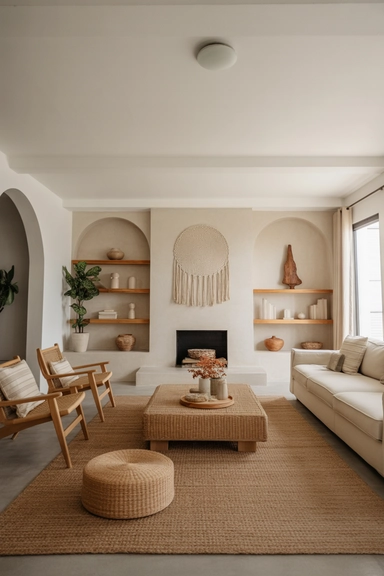
Open concept spaces feel most balanced when furniture respects architectural lines. In thoughtful open concept living room decor ideas, sofas, rugs, and tables align with walls, windows, or structural elements rather than sitting at awkward angles. This alignment reinforces order and visual clarity.
Ignoring architectural cues can make furniture feel randomly placed. Aligning key pieces with existing lines helps the living area feel intentional and anchored. When furniture placement works with the architecture, the entire open layout feels calmer and easier to visually understand.
19. Keeping Decor Scale Appropriate to the Entire Space
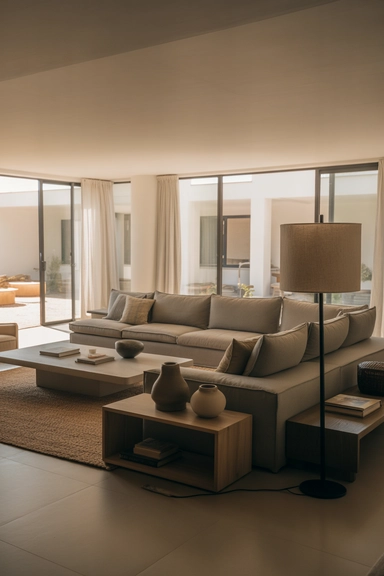
Decor scale must be considered in relation to the full open area, not just the living zone. In balanced open concept living room decor ideas, decor pieces are sized to feel proportional within the larger layout. Items that are too small can feel insignificant, while oversized pieces can dominate visually.
Choose decor that holds its presence without overpowering adjacent zones. Larger spaces benefit from fewer, more substantial accents rather than many small ones. When scale is handled thoughtfully, the living room feels balanced within the broader open concept environment.
20. Knowing When Balance Has Been Achieved
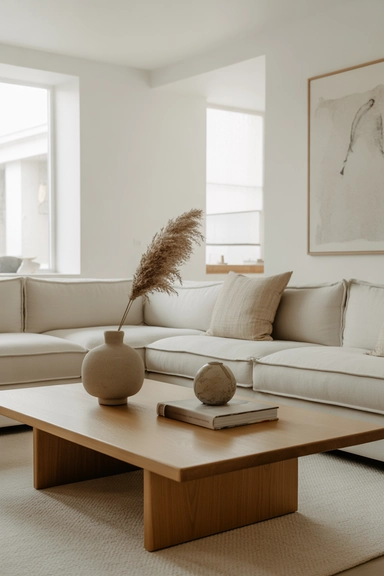
One of the most important aspects of open concept design is knowing when to stop adjusting. Overworking a space can disrupt balance rather than improve it. In effective open concept living room decor ideas, balance is evident when zones feel defined, flow remains clear, and nothing competes for attention.
If the space feels calm, cohesive, and easy to move through, additional decor or rearrangement may be unnecessary. Trusting restraint allows the design to settle naturally. Stopping at the right moment preserves harmony and ensures long-term comfort.
Conclusion (70–80 words, compliant)
Open concept living room decor ideas succeed when balance guides every decision. By defining zones through layout, proportion, and repetition rather than walls, open spaces can feel cohesive instead of chaotic. Consistent materials, thoughtful lighting, and intentional negative space support flow while maintaining clarity. When restraint and alignment work together, open concept living rooms feel calm, functional, and visually balanced, offering connection without sacrificing comfort or structure.