19 Living Room Decor Ideas on a Budget That Look Thoughtfully Designed
Introduction
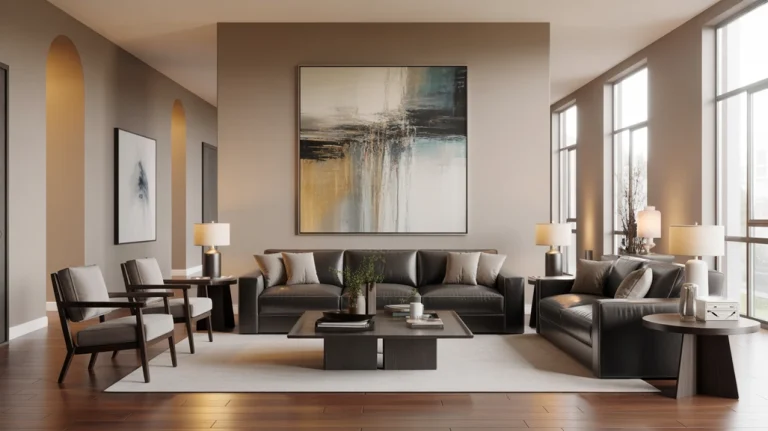
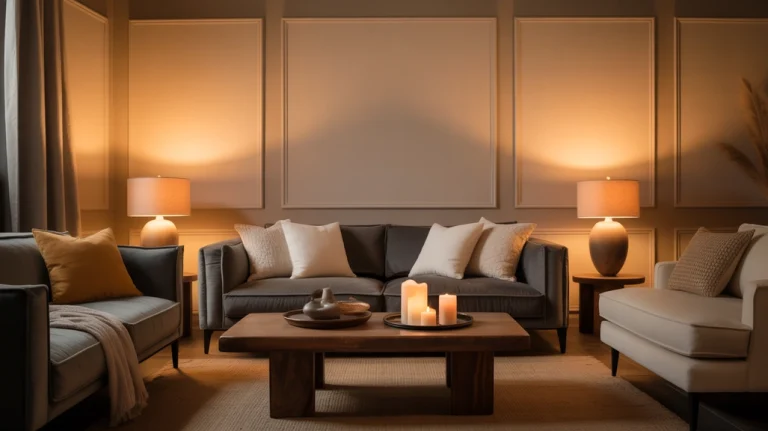
Living room decor ideas on a budget are not about cutting corners; they are about controlling decisions. Cost-effective rooms succeed when layout, proportion, and material choice are prioritized before decoration. Budget constraints force clarity—what matters stays, what does not gets removed. When spending is directed toward structure, usability, and visual balance, a living room can look deliberate rather than compromised, a principle that also supports Minimalist living room decor ideas cozy where space efficiency and visual restraint are essential.
1. Start With Layout Before Buying Anything
The most effective budget decision is arranging what you already own before purchasing new items. Furniture placement determines whether a room feels intentional or cluttered. Sofas should anchor the room, seating should face inward, and circulation paths must remain clear. A poor layout cannot be fixed with decor, regardless of cost.
Reworking layout often reveals what is unnecessary. Extra chairs, unused tables, or poorly scaled pieces can be removed to regain space. When layout supports movement and use, the room improves immediately without spending money, making it the foundation of budget-conscious design.
2. Limit the Color Palette to Reduce Visual Noise
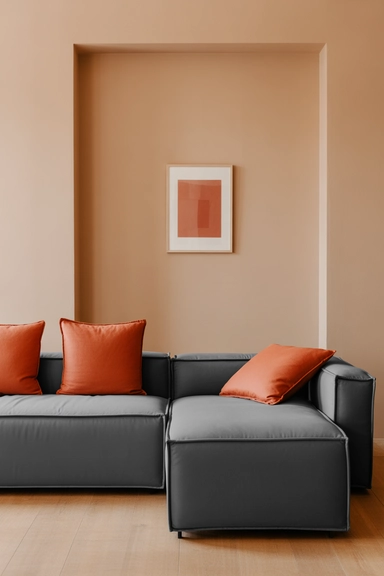
Budget living room decor ideas work best when color is controlled. A limited palette—two neutrals and one accent—creates cohesion even with mismatched furniture. Too many colors amplify visual disorder and make inexpensive items look accidental rather than intentional.
Walls, large furniture, and rugs should stay neutral. Accent color can appear in cushions, artwork, or small objects. This approach allows gradual updates without redoing the entire room. When color is disciplined, the room feels stable even if individual items are affordable or secondhand.
3. Use Large Anchors Instead of Many Small Purchases
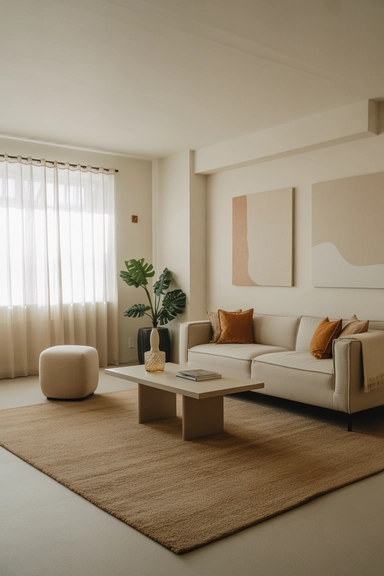
Many budget mistakes come from buying too many small decor items. Multiple low-cost accessories add up financially and visually. Living room decor ideas on a budget improve faster when money is directed toward one or two larger anchors, such as a rug, sofa cover, or coffee table.
Large anchors define zones and give the room structure. Smaller items can then be reduced or removed. This strategy creates clarity and avoids the cluttered look often associated with budget spaces. Fewer, larger decisions outperform scattered spending every time.
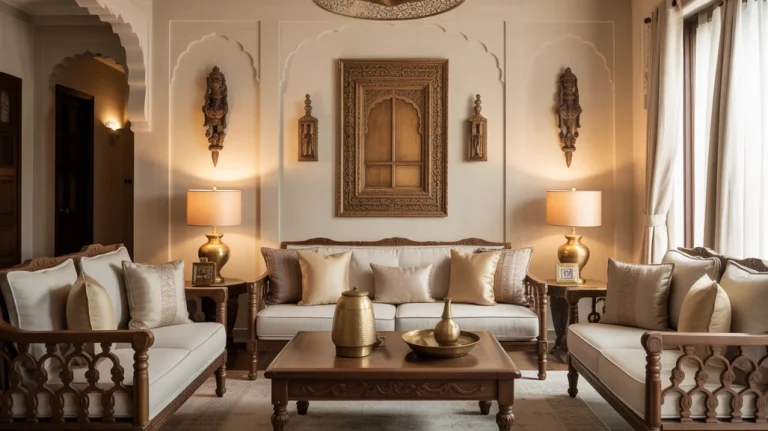
4. Choose Materials That Hide Wear and Age Well
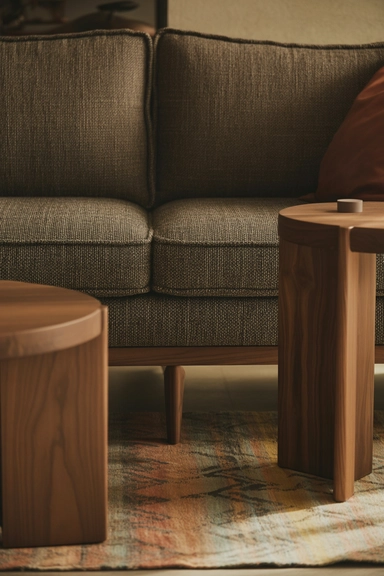
Budget-friendly living rooms must tolerate use. Materials that show wear quickly—high-gloss finishes, thin fabrics, fragile surfaces—become liabilities. Instead, matte finishes, textured fabrics, and darker wood tones hide wear and extend lifespan.
Rugs with subtle patterning mask stains better than solid light colors. Upholstery with texture ages more gracefully than flat synthetics. When material behavior is considered upfront, the room stays usable and presentable longer without constant replacement.
5. Rely on Lighting Placement Instead of New Fixtures
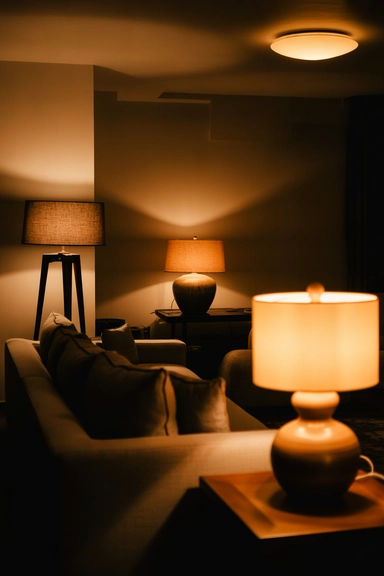
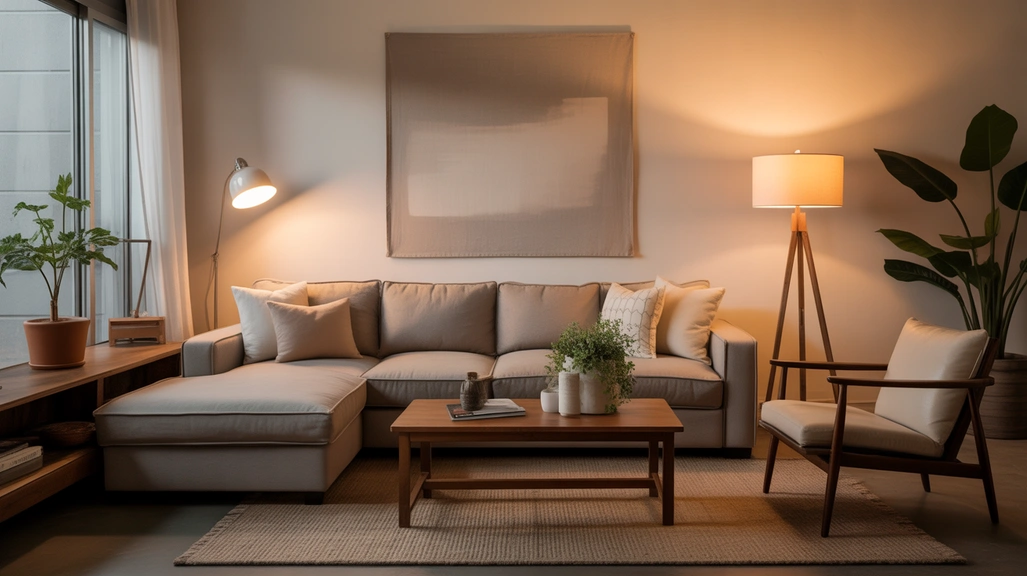
Lighting can improve a budget living room without expensive upgrades. Placement matters more than fixture cost. Floor lamps near seating, table lamps beside sofas, and focused task lighting create layers that overhead lights alone cannot provide.
Avoid relying on a single ceiling fixture. Multiple light sources reduce shadows and improve function. Warm bulbs unify inexpensive furnishings and finishes. When lighting is placed intentionally, the room feels designed rather than dim or improvised.
6. Edit Aggressively to Make Budget Choices Look Intentional
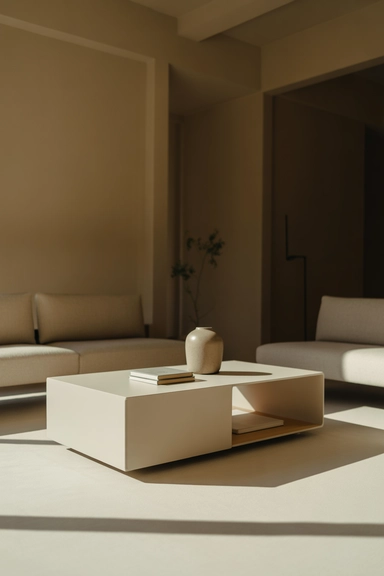
Editing is essential in living room decor ideas on a budget. Removing items often improves the room more than adding new ones. Surfaces overloaded with decor make inexpensive items more noticeable. Clear space allows remaining pieces to read stronger.
Keep only what supports use or structure. Empty surfaces are not unfinished; they are controlled. When excess is removed, budget choices stop competing with each other and start working together, giving the room clarity and purpose.
7. Living Room Decor Ideas on a Budget Using Secondhand Strategically
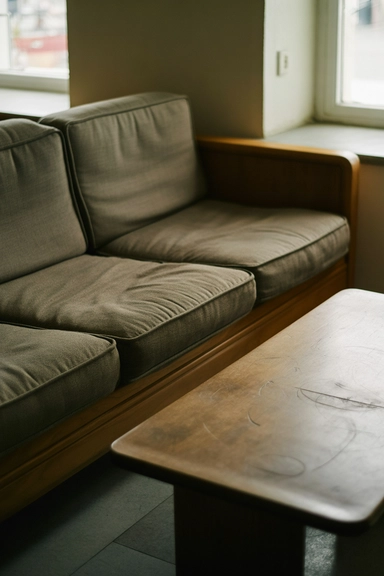
Secondhand furniture is most effective when chosen for structure rather than trend. Solid frames, simple silhouettes, and neutral finishes matter more than surface condition. Scratches, worn fabric, or dated finishes can be addressed cheaply, but weak construction cannot. Thrift stores, resale apps, and local markets often offer higher-quality frames than budget retailers.
Focus on items that anchor the room: sofas, coffee tables, shelving. Avoid buying multiple small pieces just because they are inexpensive. One structurally sound secondhand piece improves the room more than several low-cost accessories, keeping spending targeted and intentional.
8. DIY Updates That Change Perception, Not Structure
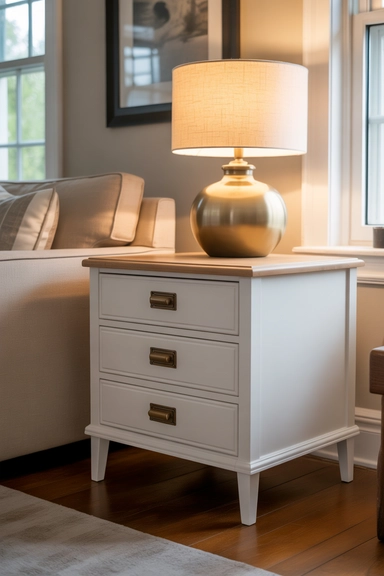
Budget living room decor ideas benefit from DIY when the change alters how an item reads visually, not how it functions. Painting a dated table, replacing hardware, or updating lamp shades can shift perception significantly without major cost. Structural DIY that risks durability often backfires.
Choose projects with high visual return and low risk. Neutral paint, simple finishes, and minimal alteration work best. When DIY is used to simplify and modernize rather than personalize heavily, it helps budget rooms feel deliberate instead of patched together.
9. Rugs Sized Correctly to Avoid the “Cheap” Look
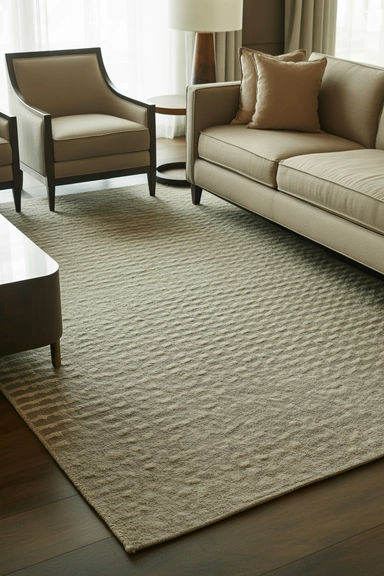
Incorrect rug sizing is one of the fastest ways to make a budget living room look unfinished. Rugs that are too small disconnect furniture and emphasize cost. A properly sized rug anchors seating and creates the impression of intention, even if the rug itself is affordable.
When cost limits size options, choose the largest size possible and prioritize placement. At least the front legs of seating should sit on the rug. Proper scale does more for perceived quality than material or pattern choice.
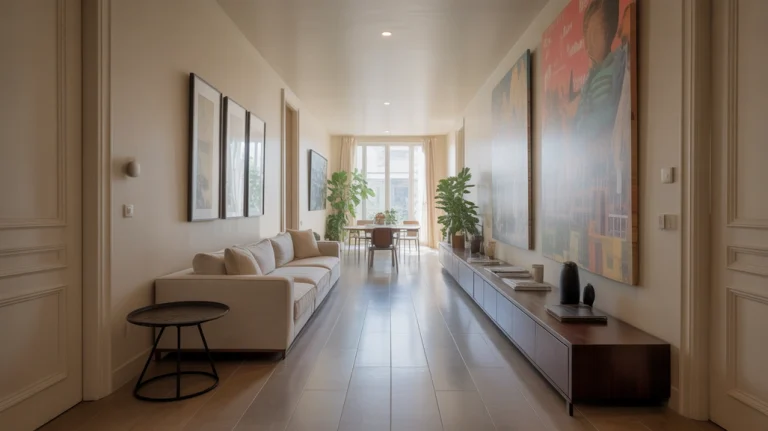
10. Wall Decor Chosen for Scale Over Quantity
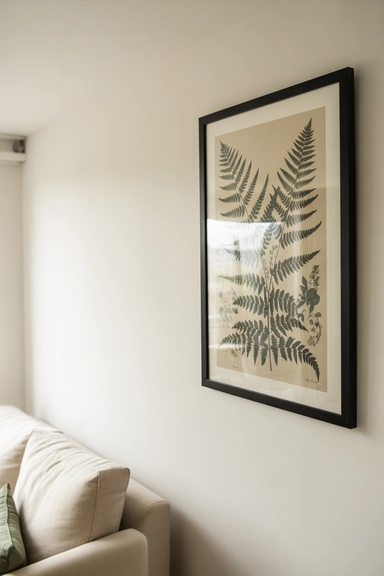
Budget wall decor often fails due to overuse of small, unrelated pieces. Multiple low-cost frames scattered across a wall create visual noise. Instead, one large piece or a tightly grouped set of similar frames establishes focus and order.
Scale matters more than price. Enlarged prints, fabric panels, or simple framed posters can be inexpensive yet effective. When wall decor is treated as a single decision rather than many purchases, the room feels composed instead of cluttered.
11. Storage That Solves Problems Instead of Adding Pieces
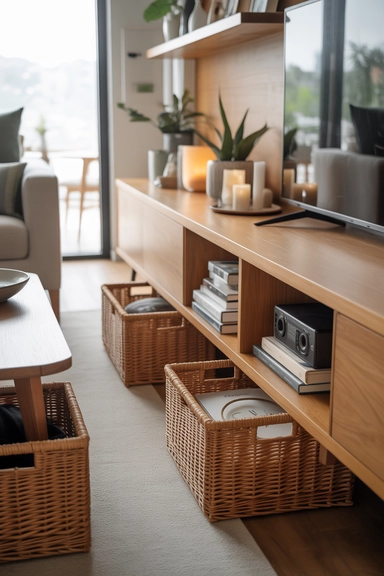
Budget living rooms benefit when storage addresses real issues rather than adding furniture. Baskets, shelves, or cabinets should reduce visible clutter, not introduce new visual elements. Storage that matches existing finishes blends in better than statement pieces.
Avoid buying storage without a clear purpose. Every new piece should replace disorder, not coexist with it. When storage solves a problem directly, it improves function and appearance simultaneously without expanding the budget.
12. Repeat Existing Finishes to Avoid Buying More
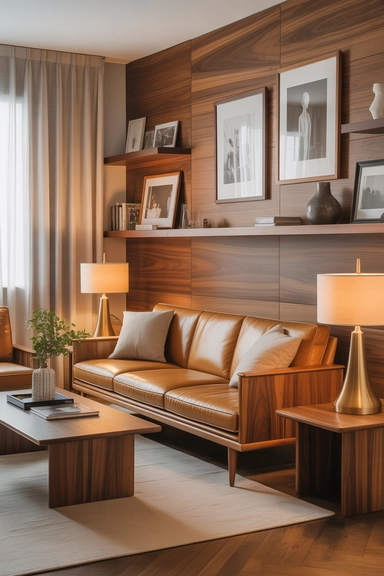
One of the most effective budget strategies is repetition. Repeating finishes already present—wood tones, metal colors, fabric textures—creates cohesion without additional purchases. Introducing new finishes increases cost and visual complexity.
Look at what already exists in the room and echo it subtly. Matching lamp metals, cushion fabrics, or frame colors reduces the need for replacement. When repetition is used deliberately, the room feels unified even with limited spending.
13. Living Room Decor Ideas on a Budget by Prioritizing Wear Zones
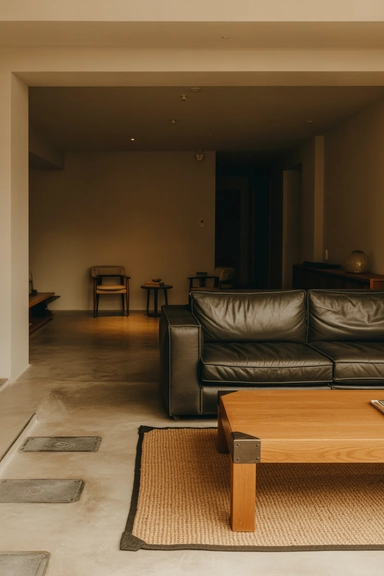
Budget planning improves when spending follows use patterns. High-use zones—sofa seating, walk paths, coffee table surfaces—should receive more attention than decorative corners. Investing slightly more in durable upholstery or a solid table prevents early replacement costs.
Low-use zones can rely on simpler solutions. Side chairs, accent tables, or decor placed away from traffic can be inexpensive without affecting function. When wear zones guide spending, the room remains usable longer and avoids the cycle of constant replacement.
14. Furniture Downsizing to Improve Proportion
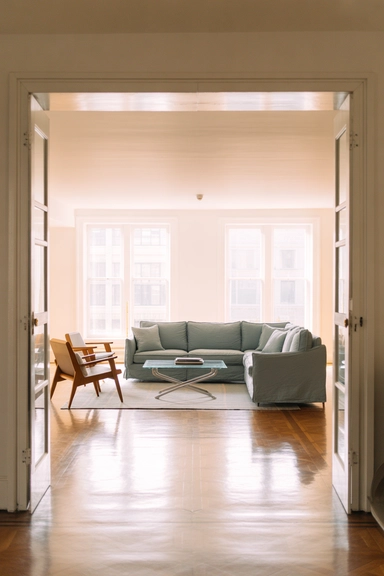
Oversized furniture is a common budget mistake because it overwhelms small or average rooms. Large pieces reduce circulation, crowd layouts, and make rooms feel cheaper by stressing scale problems. Downsizing furniture often improves appearance without spending anything.
Removing or replacing one bulky piece can restore balance. Slimmer sofas, armless chairs, or smaller tables free space and improve flow. When proportion is corrected, even inexpensive furniture reads as intentional rather than constrained by budget.
15. Curtains Used to Correct Room Height
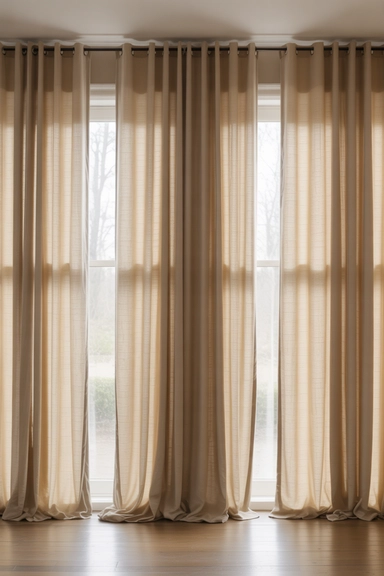
Window treatments can change perceived room proportions without major cost. Hanging curtains closer to the ceiling and extending them past window frames increases visual height and width. This technique works regardless of curtain fabric price.
Avoid short or narrow panels that emphasize window limitations. Simple, neutral curtains provide structure and scale correction. When curtains are used architecturally rather than decoratively, they improve the room’s proportions without expensive upgrades.
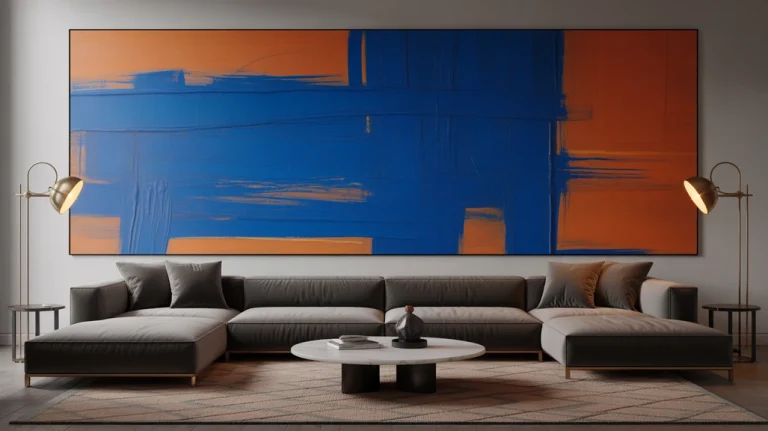
16. Artwork Selection Focused on Visual Weight
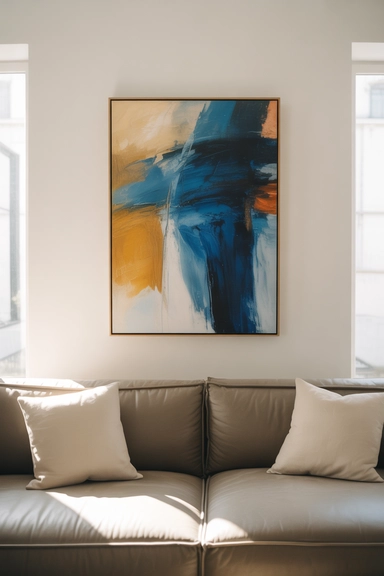
Budget artwork choices should prioritize size and clarity over uniqueness. Small pieces often look lost and require grouping, which increases cost and complexity. One larger print or canvas creates a focal point and reduces the need for additional decor.
Large-scale art can be affordable through posters, prints, or digital downloads. Framing choices should remain simple. When artwork carries visual weight, the room feels complete without layering multiple items.
17. Avoiding Trend Purchases That Date Quickly
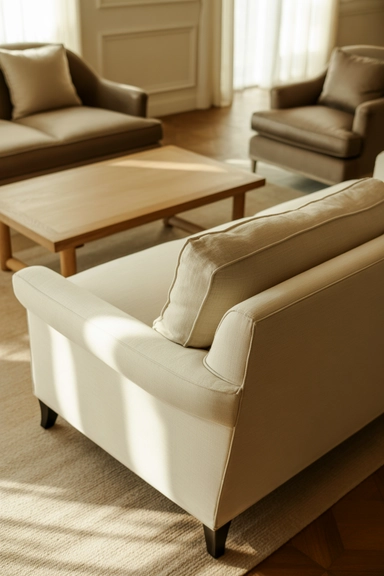
Trends accelerate replacement cycles, which undermines budget control. Items tied strongly to short-term trends—bold patterns, novelty shapes, or seasonal colors—often feel outdated quickly and require replacement.
Budget living room decor ideas work best when foundational items remain neutral and adaptable. Trends can appear in easily replaceable accents if desired. When trend exposure is limited, the room maintains relevance without repeated spending.
18. Planning Purchases in Phases Instead of All at Once
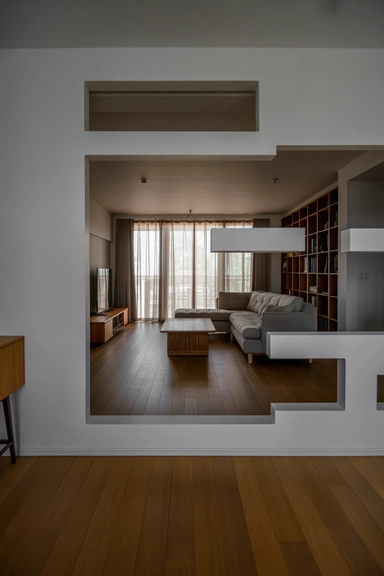
Budget rooms improve faster when purchases are phased. Buying everything at once often leads to compromises and mismatched items. Phased buying allows evaluation of layout, lighting, and function before adding more.
Living with the room between phases reveals what is missing and what is unnecessary. This approach prevents impulse spending and ensures each addition serves a clear purpose. Gradual improvement often results in stronger outcomes than immediate completion.
19. A Finished Look Achieved Through Consistency, Not Cost
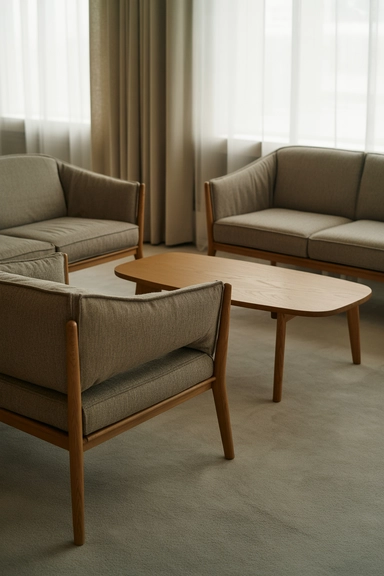
A budget living room looks finished when decisions are consistent. Matching scale, repeated finishes, and controlled spacing matter more than price. Inconsistency exposes budget limitations, while cohesion hides them.
Consistency can be achieved by editing, repeating materials, and maintaining proportion. When the room follows clear rules, affordability becomes secondary. The space reads as thoughtful rather than economical.
Conclusion
Living room decor ideas on a budget succeed when decisions are controlled, phased, and focused on function rather than decoration. Layout, proportion, material behavior, and consistency drive results more than spending level. By directing money toward structure, wear zones, and scale—and removing what does not serve the room—a budget living room can feel intentional, stable, and durable over time without constant replacement or visual compromise.