23 Orange Living Room Decor Ideas That Work in Modern and Cozy Interiors
Introduction
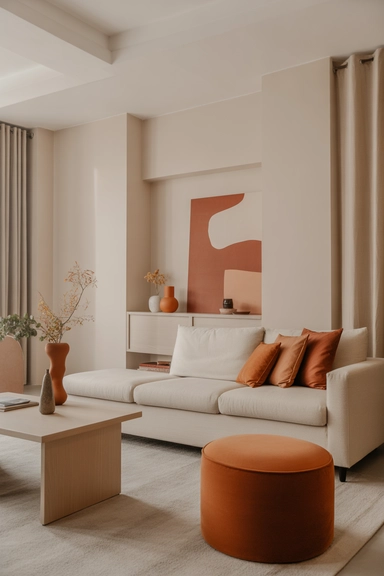
Muted orange tones are ideal for modern living rooms that feel visually cool or overly minimal. Shades like terracotta, clay, or soft rust add warmth without clashing with clean lines or neutral palettes. Orange living room decor ideas that rely on muted hues work especially well with gray, beige, or off-white furniture. These softer tones prevent the space from feeling harsh while still introducing depth and personality, making them a smart complement to well-balanced modern living room decor ideas.
1. Using Muted Orange Tones to Warm Modern Living Rooms
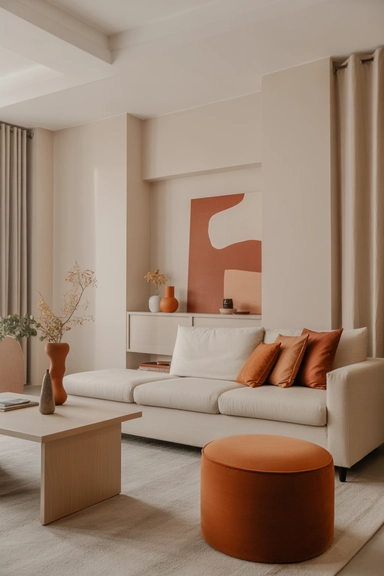
Muted orange tones are ideal for modern living rooms that feel visually cool or overly minimal. Shades like terracotta, clay, or soft rust add warmth without clashing with clean lines or neutral palettes. Orange living room decor ideas that rely on muted hues work especially well with gray, beige, or off-white furniture. These softer tones prevent the space from feeling harsh while still introducing depth and personality.
The key is restraint and placement. Instead of spreading orange everywhere, focus on one or two areas where warmth is needed, such as seating zones or reading corners. Pair muted orange accents with matte finishes and natural textures to maintain a modern feel. Avoid bright or glossy oranges in sleek interiors, as they can disrupt the calm, structured aesthetic.
2. Layering Orange Through Cushions, Throws, and Textiles
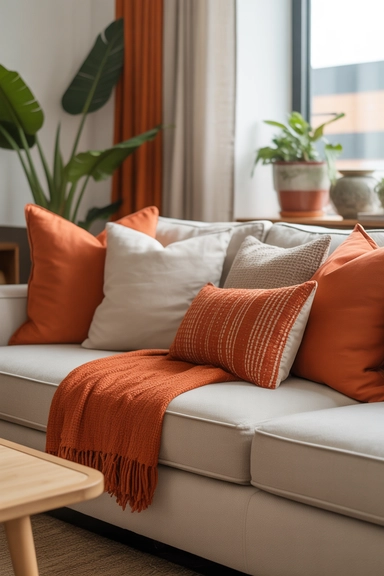
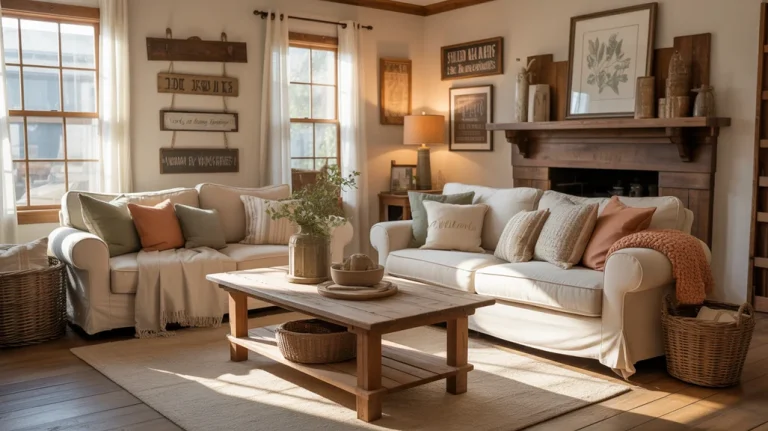
Textiles are one of the safest ways to introduce orange living room decor ideas without committing to permanent changes. Cushions, throws, and light upholstery allow orange to appear naturally while remaining flexible. This approach works well in both modern and cozy interiors, especially when the base palette is neutral. Soft orange textiles can break up monotony and make seating areas feel more inviting.
Successful layering depends on balance. Spread orange elements across the room instead of clustering them in one spot. Mixing textures such as linen, wool, or woven fabrics helps soften the color and prevent it from feeling flat. Limiting orange to a few well-placed textile pieces ensures the room stays cohesive and comfortable rather than visually busy.
3. Orange Accent Chairs That Add Personality Without Dominating
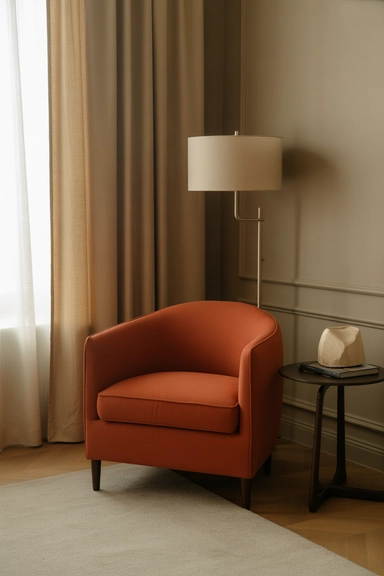
An orange accent chair can become a focal point while still supporting the overall layout. In modern interiors, structured chairs in muted orange tones add warmth without compromising clean lines. In cozy spaces, softer silhouettes and fabric finishes help orange feel relaxed and welcoming. Orange living room decor ideas like this work best when the chair is placed intentionally rather than randomly.
To integrate the chair smoothly, surround it with neutral elements such as light rugs, simple side tables, and understated lighting. Avoid pairing multiple bold orange furniture pieces together, as this can overwhelm the space. One thoughtfully placed accent chair is usually enough to add character while maintaining visual balance.
4. Orange Area Rugs That Ground the Seating Layout
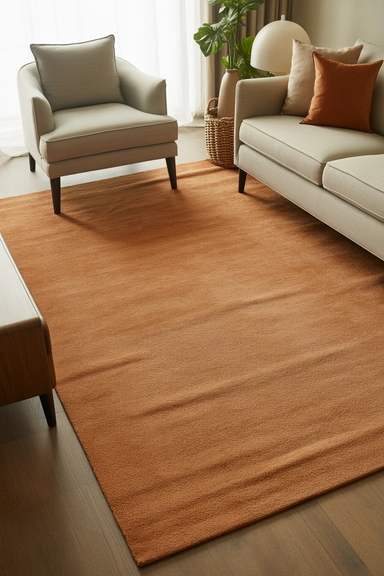
An orange area rug can anchor the seating arrangement and introduce warmth at floor level. This works especially well in living rooms with cool-toned flooring or minimalist furniture. Muted or patterned orange rugs add interest without pulling attention away from the furniture. Orange living room decor ideas applied through rugs help define zones while keeping the room cohesive.
Scale is critical when choosing an orange rug. It should extend under the front legs of sofas and chairs to visually connect the seating area. Pair the rug with neutral upholstery and simple decor to prevent color overload. A well-sized rug ensures orange feels supportive rather than overpowering.
5. Orange Used on Walls for Subtle Depth and Warmth
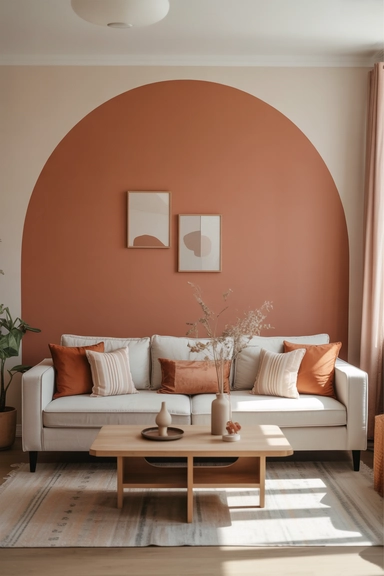
Orange walls can work beautifully when the shade is soft and controlled. Muted terracotta or clay tones add depth without making the living room feel closed in. This approach works particularly well in cozy interiors where warmth is a priority, but it can also soften stark modern spaces. Orange living room decor ideas on walls should enhance light rather than absorb it.
Limit orange walls to one area, such as behind a sofa or in a reading nook. Pair them with neutral furniture and minimal wall decor to maintain balance. Avoid saturated or bright oranges on large surfaces, as they can quickly feel overwhelming. Soft tones allow the color to support the room’s mood without dominating it.
6. Orange Coffee Table Styling That Feels Warm but Controlled
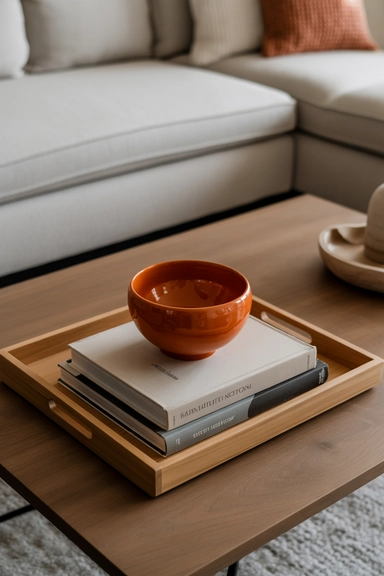
Orange living room decor ideas work especially well on coffee tables when the color is used with restraint. A single orange accent, such as a ceramic bowl, tray, or book stack, can add warmth without cluttering the surface. Coffee tables are high-use areas, so orange should support function rather than interfere with it. Keeping the color limited allows the table to remain practical while still contributing personality to the room.
Balance comes from pairing orange accents with grounding materials like wood, stone, or matte black finishes. Avoid grouping multiple orange objects together, as this can feel forced or decorative. Leaving open space on the table helps the accent feel intentional. When styled carefully, orange enhances the living room’s warmth without competing with the seating layout.
7. Orange Wall Art That Creates a Refined Focal Point
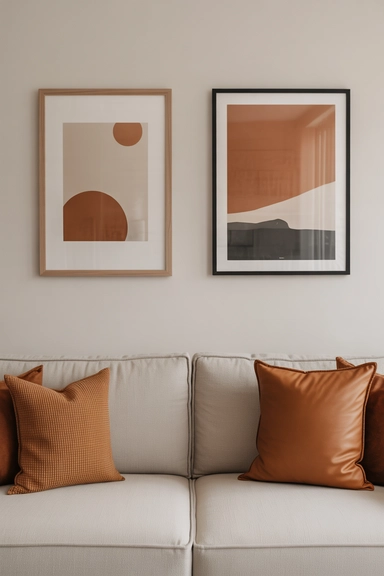
Wall art is a refined way to introduce orange living room decor ideas without altering permanent surfaces. Artwork with muted orange tones can guide the eye and establish a focal point while allowing the rest of the room to remain neutral. Abstract prints, landscape art, or minimalist compositions help orange feel curated rather than bold. Art gives the color context, making it feel purposeful.
Placement is critical for visual balance. Hanging artwork at eye level and limiting the number of pieces prevents the space from feeling crowded. Frames in wood, black, or white ground the orange tones and keep the look cohesive. Avoid overly busy designs, as they can disrupt flow and overwhelm the furniture arrangement.
8. Orange Built-In Shelving That Adds Depth Without Clutter
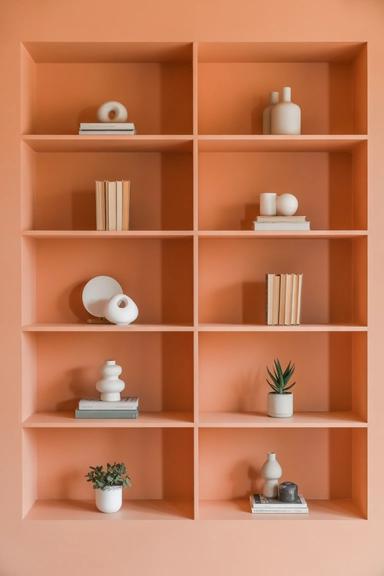
Built-in shelving painted or backed in soft orange tones can add depth and warmth without relying on decorative overload. This works particularly well in living rooms that feel flat or visually cold. Orange living room decor ideas applied to shelving highlight books and objects naturally, giving them presence without making the shelves feel busy.
Styling restraint is essential. Neutral books, white ceramics, and natural textures keep the shelves organized and calm. Overfilling shelves reduces the impact of the color and makes the space feel cluttered. Leaving negative space allows the orange to breathe and support the room’s structure rather than dominate it.
9. Orange Lighting Elements That Soften Evening Atmosphere
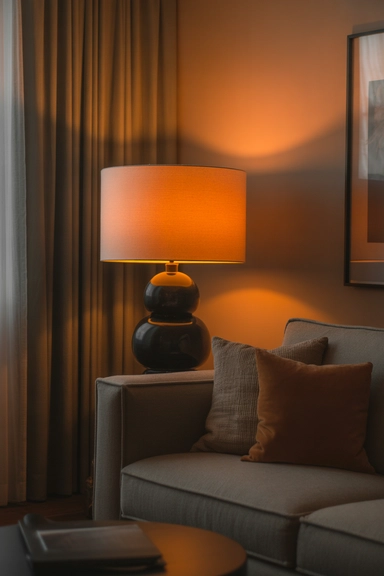
Lighting plays a major role in how orange living room decor ideas are experienced, especially at night. Orange-toned lampshades or glass fixtures cast a warm, comfortable glow that enhances relaxation. This approach works well in living rooms that rely on layered lighting instead of harsh overhead fixtures. Orange lighting adds warmth without changing the overall color palette.
Limit orange lighting elements to one or two fixtures to maintain consistency. Pair them with warm white bulbs to prevent color distortion. Too many orange light sources can make the room feel uneven or dim. Used thoughtfully, orange lighting enhances comfort while keeping the space visually balanced.
10. Orange Decorative Accents That Create Cohesion
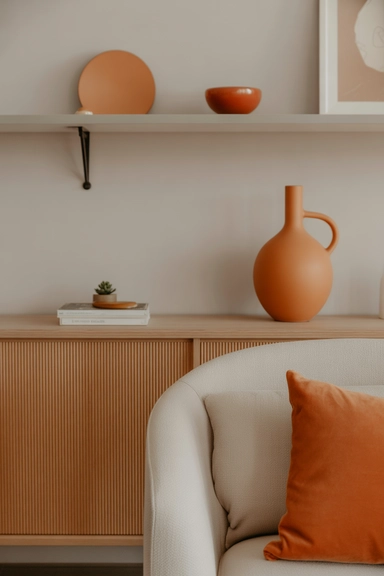
Small decorative accents allow orange living room decor ideas to appear naturally throughout the space. Vases, bowls, or subtle decor pieces help connect different areas visually without relying on large color blocks. These accents work best when they support the room’s layout rather than act as standalone statements.
Repetition should be subtle and controlled. Two or three orange accents placed intentionally are more effective than many scattered items. Pairing orange decor with neutral or natural materials keeps the look grounded. This approach ensures orange adds warmth and cohesion while maintaining a clean, uncluttered living room.
11. Orange Sofas Used Carefully to Anchor the Living Room
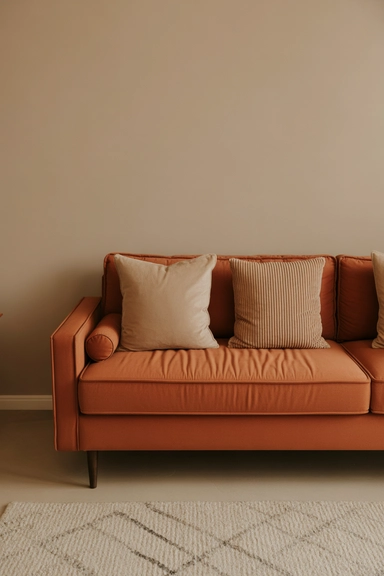
An orange sofa can work beautifully when the shade and surrounding elements are chosen with care. Muted orange tones such as rust, clay, or burnt orange add warmth without overwhelming the space. In modern interiors, a clean-lined orange sofa softens sharp edges, while in cozy rooms it enhances comfort and depth. Orange living room decor ideas like this work best when the rest of the palette remains neutral and calm.
To keep the sofa from dominating the room, balance it with neutral cushions, simple rugs, and understated side tables. Avoid pairing an orange sofa with multiple bold patterns or strong competing colors. When supported by clean lines and restrained styling, an orange sofa becomes a grounding feature rather than a visual distraction.
12. Orange Accent Walls That Define Zones Without Closing the Space
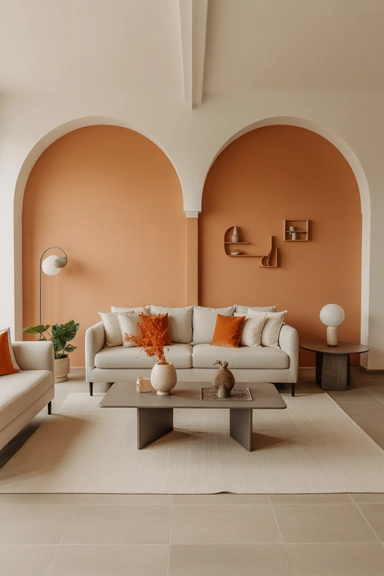
Orange accent walls can help define seating areas or reading zones, especially in open-plan living rooms. A soft terracotta or clay-colored wall behind a sofa adds warmth while maintaining openness. Orange living room decor ideas used this way create structure without physical barriers, making large spaces feel more cohesive and inviting.
Choosing the right shade is essential. Pale or muted oranges work better than saturated tones, which can feel heavy. Keep wall decor minimal so the color remains the focal element. Pair the accent wall with neutral furniture and flooring to maintain balance and prevent visual overload.
13. Orange Textured Fabrics That Add Comfort Without Intensity
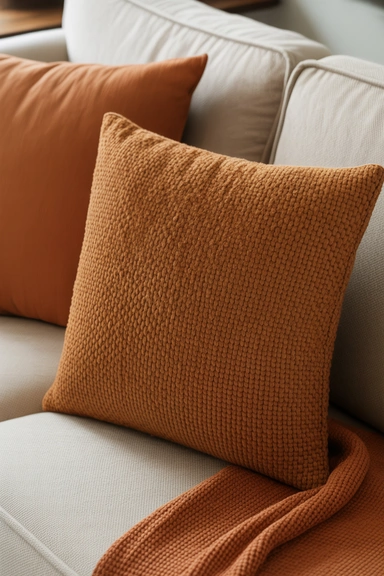
Texture plays a major role in how orange is perceived. Orange living room decor ideas that rely on textured fabrics, such as woven cushions, knitted throws, or lightly patterned upholstery, feel softer and more refined. Texture breaks up color intensity, making orange appear warm and approachable rather than bold.
Using textured fabrics also helps integrate orange into neutral spaces. Pairing textured orange elements with smooth surfaces like leather or polished wood creates contrast without chaos. Avoid glossy or synthetic finishes, which can amplify saturation. Textured materials keep orange comfortable and visually balanced.
14. Orange Decorative Objects That Support Daily Use
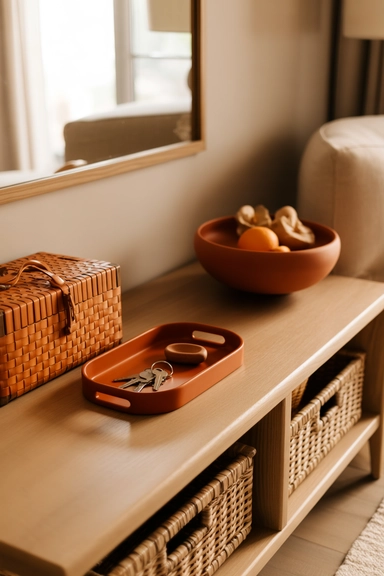
Decorative objects in orange should feel practical rather than ornamental. Items such as trays, bowls, or storage containers add color while serving a purpose. Orange living room decor ideas that focus on functional decor help the space feel lived-in and usable rather than staged.
Limit orange objects to a few carefully chosen pieces to avoid clutter. Group them with neutral or natural materials to keep the look grounded. Functional decor ensures orange enhances everyday living without competing with the room’s layout or flow.
15. Layering Orange With Neutrals for Long-Term Balance
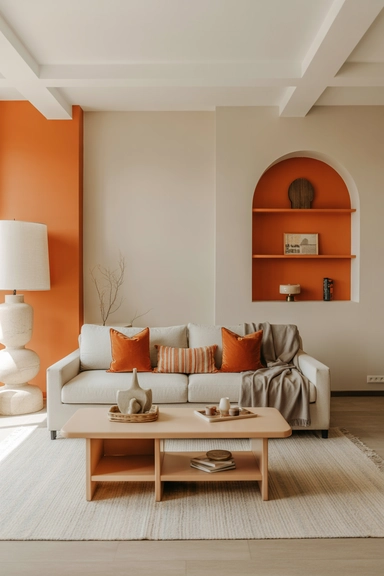
The most successful orange living room decor ideas rely on layering orange with neutrals instead of using it in isolation. Whites, creams, soft grays, and natural woods create a calm foundation that allows orange to stand out without overpowering the room. This balance keeps the space timeless rather than trend-driven.
Focus on proportion rather than quantity. Orange should support the room’s mood and function, not dominate it. When layered thoughtfully with neutrals, orange adds warmth, depth, and personality while maintaining a relaxed and livable atmosphere.
16. Orange Used in Small Doses to Lift Dark Corners
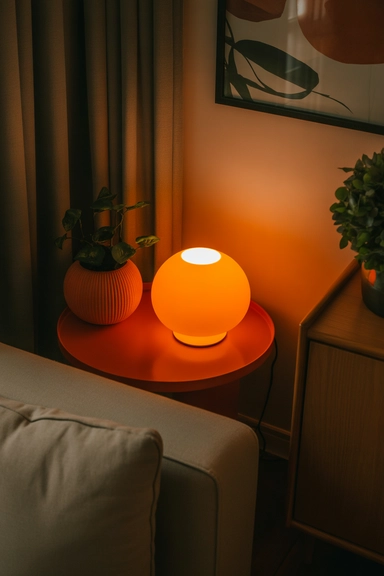
Dark corners can make a living room feel smaller and less welcoming, even when the rest of the space is well designed. Orange living room decor ideas can gently lift these areas when used in small, intentional doses. A compact side table, lamp base, or decorative object in a muted orange tone reflects warmth into shadowed zones without drawing excessive attention.
Scale and placement matter. Large orange furniture pieces in tight corners can feel heavy and unbalanced. Instead, choose compact elements that complement nearby lighting and wall finishes. Pairing orange accents with lighter walls or mirrors helps amplify brightness, making underused corners feel purposeful and connected to the rest of the room.
17. Orange Paired With Wood and Natural Materials for Warmth
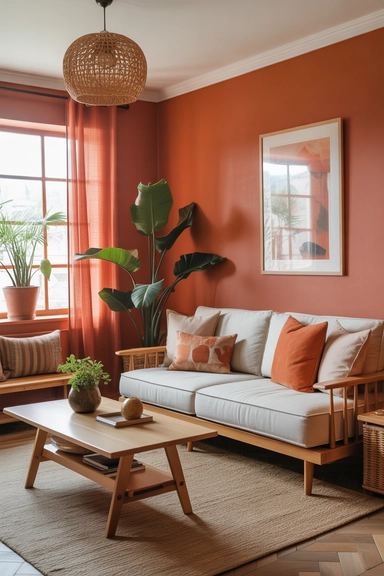
Orange feels most balanced when paired with natural materials. Wood tones, woven textures, stone surfaces, and linen upholstery ground orange living room decor ideas and keep them from feeling artificial. This combination works particularly well in cozy interiors, where warmth and comfort are priorities.
Let natural materials take up more visual space than the color itself. Orange should appear as an accent layered onto wood furniture or woven elements. Avoid pairing orange with too many glossy or synthetic finishes, as this can make the color feel harsh. Natural textures help orange blend seamlessly into everyday living.
18. Orange Used in Transitional Elements Between Spaces
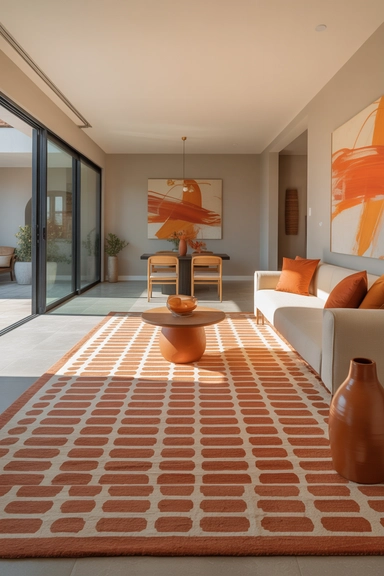
In open-plan homes, orange can help visually connect different areas without creating sharp divisions. Orange living room decor ideas work well in transitional elements such as shared rugs, lighting, or artwork that appear across adjacent spaces. This approach maintains flow while still adding warmth and definition.
Consistency is key. Using the same shade of orange across transition points prevents fragmentation. Keep surrounding colors neutral so the orange feels intentional rather than distracting. When applied thoughtfully, orange supports movement through the space while maintaining cohesion.
19. Orange Accents That Adapt Easily Across Seasons
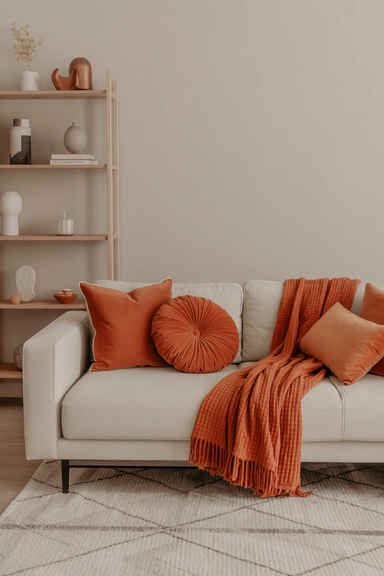
Orange is a versatile color that adapts well to seasonal changes. Lighter orange tones feel fresh during warmer months, while deeper rust or burnt orange shades add comfort in cooler seasons. Orange living room decor ideas that rely on interchangeable items like cushions or throws allow easy updates without redesigning the space.
Avoid tying orange to overly specific seasonal themes. Keep the base neutral and adjust accents as needed. This flexibility ensures the living room feels current year-round while reducing clutter and unnecessary decor changes.
20. Orange Used With Restraint in Minimalist Interiors
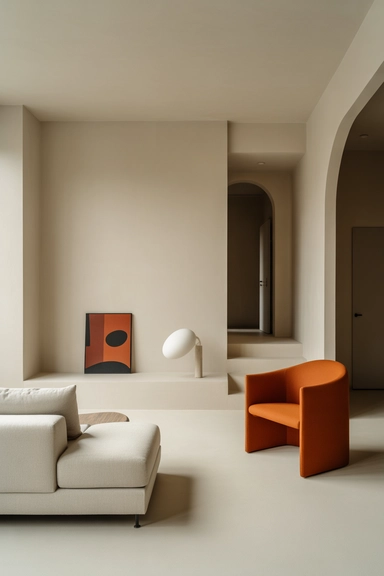
Minimalist living rooms benefit from controlled warmth, and orange can provide that when used sparingly. A single orange element, such as an accent chair or artwork, softens the starkness of minimalist layouts without disrupting simplicity. Orange living room decor ideas in minimal spaces should focus on quality over quantity.
Clean lines and open space are essential. Avoid layering multiple orange accents, which can undermine the minimalist aesthetic. When paired with neutral tones and simple forms, orange adds character while preserving calm and clarity.
21. Orange in Patterned Textiles for Visual Interest
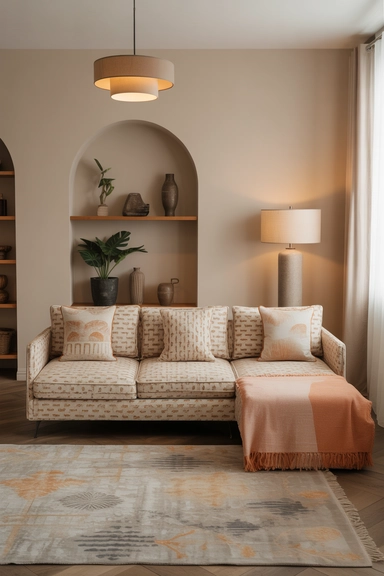
Patterned textiles offer another way to introduce orange without relying on solid blocks of color. Rugs, cushions, or throws with subtle orange patterns add depth and movement to a living room. Orange living room decor ideas that incorporate pattern feel more layered and less intense.
Choose patterns with restrained color distribution and neutral backgrounds. Overly busy designs can overwhelm the space and compete with furniture. Balanced patterns keep orange integrated while maintaining visual harmony.
22. Orange Decor Used to Emphasize Focal Points
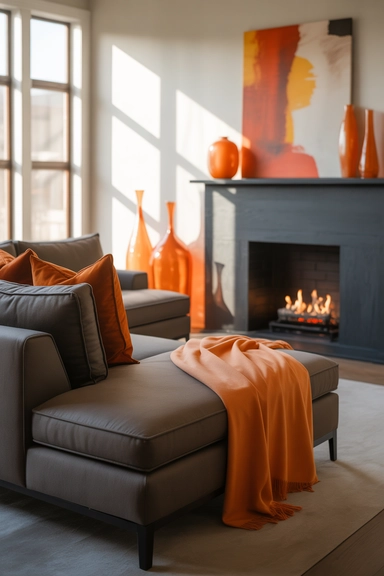
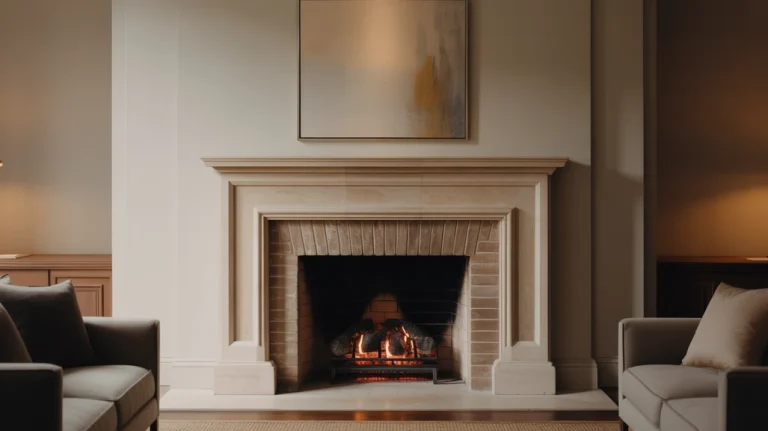
Orange can be used to highlight existing focal points such as fireplaces, seating areas, or architectural features. A few well-placed orange accents draw attention without overpowering the space. Orange living room decor ideas work best when they reinforce what the room already emphasizes.
Avoid creating new focal points unnecessarily. Let orange support the room’s natural hierarchy. When applied with purpose, the color enhances balance and directs the eye smoothly through the space.
23. Using Orange Intentionally to Maintain Visual Calm
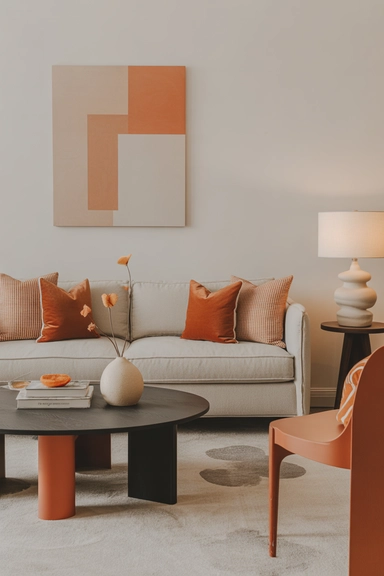
The most important principle with orange living room decor ideas is intention. Orange should always serve a purpose, whether warming the space, defining zones, or softening modern lines. Random or excessive use quickly disrupts balance and creates visual noise.
Before adding orange, consider how it interacts with light, furniture, and movement. Limiting orange to key areas ensures it enhances comfort and cohesion. When used deliberately, orange brings warmth and personality while keeping the living room calm and functional.
Conclusion
Orange living room decor ideas work best when they balance warmth with restraint. Whether introduced through textiles, furniture, lighting, or subtle accents, orange should support the room’s layout and materials rather than dominate them. Muted tones, natural pairings, and intentional placement allow orange to feel comfortable in both modern and cozy interiors. When used thoughtfully, orange adds depth, energy, and character while maintaining a welcoming and livable space.