
22 Apartment Living Room Decor Ideas for Small Spaces
Introduction
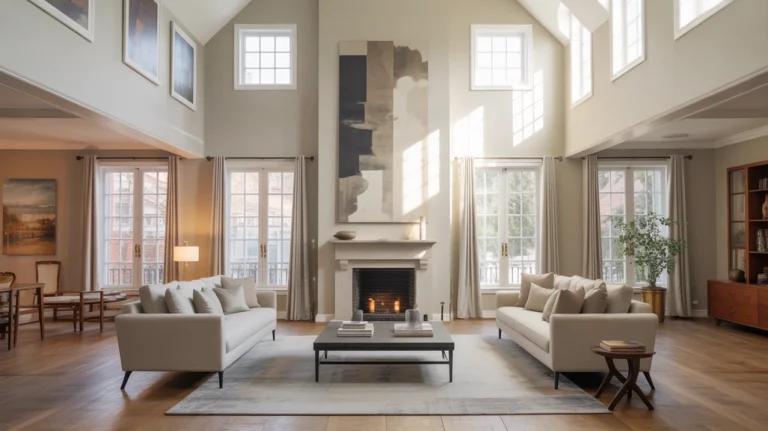
Apartment living room decor ideas demand a sharper focus on proportion, flow, and restraint because small spaces magnify every design decision. In compact layouts, even well-intended decor can quickly make a room feel crowded or visually heavy. The goal is not to decorate more, but to decorate smarter—using scale, light, and spacing to create openness without sacrificing comfort. When chosen carefully, furniture placement and surface styling can make an apartment living room feel intentional and breathable. Many of these strategies align closely with principles used in living room shelf decor ideas , where vertical balance and negative space are essential.
1. Choosing Furniture With Visual Lightness

In small apartments, furniture should contribute to openness rather than consume visual space. Pieces with slim legs, open bases, or raised profiles allow the eye to move beneath them, creating the illusion of more floor area. In effective apartment living room decor ideas, sofas and chairs feel visually lifted rather than grounded. This approach prevents the room from feeling compressed and helps maintain a sense of flow, even when square footage is limited.
Material choice reinforces this effect. Upholstery in lighter or mid-tone neutrals reflects light instead of absorbing it. Avoid bulky silhouettes or heavy arms that dominate the room. When furniture appears lighter, the entire living room feels easier to navigate and more comfortable, supporting a spacious atmosphere without removing essential seating.
2. Using Vertical Space Instead of Floor Space

Small apartments benefit from decor that moves upward rather than outward. Vertical shelving, tall art, or elongated wall elements draw the eye higher, making ceilings feel taller. In thoughtful apartment living room decor ideas, vertical emphasis replaces excess furniture, freeing valuable floor space. This strategy is especially useful in rooms where storage and style must coexist.
Vertical solutions should remain restrained. Overcrowding shelves defeats the purpose and adds visual noise. A few well-spaced objects keep the look calm while still providing function. This method works particularly well alongside compact surfaces, similar to techniques used in coffee table decor ideas that don’t feel cluttered, where scale and spacing protect usability.
3. Limiting Decor to Fewer, Larger Statements

In small living rooms, too many small decorative items can quickly feel chaotic. Fewer, slightly larger pieces create clarity and reduce visual fragmentation. In refined apartment living room decor ideas, one well-chosen artwork or sculptural element often replaces several smaller accents. This keeps the room feeling intentional rather than overworked.
Scale matters more than quantity. Larger pieces anchor the space and give the eye a place to rest. Avoid scattering decor across every surface. When accents are limited and purposeful, the room feels calmer and more cohesive, even with minimal square footage.
4. Keeping Pathways Clear for Better Flow

Clear circulation is essential in apartment living rooms where movement zones overlap. Furniture and decor should never interrupt natural walking paths. In balanced apartment living room decor ideas, clear pathways help the room feel larger and more comfortable, even when dimensions are tight.
This means resisting the urge to fill every corner. Leave space around seating, tables, and walls so movement feels effortless. When flow is prioritized, the living room feels open and usable, preventing the boxed-in feeling common in small apartments.
5. Using Light to Expand Small Living Rooms

Light plays a defining role in how spacious an apartment living room feels. Maximizing natural light and layering soft artificial lighting prevents dark corners and visual heaviness. In thoughtful apartment living room decor ideas, light spreads evenly across surfaces, enhancing openness rather than creating contrast.
Mirrors, light-toned textiles, and reflective finishes help amplify brightness without adding clutter. Avoid heavy window treatments or overly dark decor that absorbs light. When light is allowed to move freely, the living room feels airier, calmer, and more adaptable to everyday living.
6. Choosing Multi-Functional Furniture With Restraint

In apartment living rooms, furniture often needs to serve more than one purpose, but multifunctionality should never add visual clutter. In effective apartment living room decor ideas, pieces such as storage ottomans or nesting tables are chosen for simplicity as much as function. Clean lines and neutral finishes ensure these items blend into the space rather than drawing attention to their utility.
Avoid furniture that looks complicated or bulky, even if it offers storage. Visible compartments and heavy detailing can make a small room feel busy. When multifunctional pieces are visually quiet, they support daily living while preserving the room’s openness and balance.
7. Using Rugs to Define Space Without Shrinking It

Rugs help organize apartment living rooms by defining seating areas, but scale and placement are critical. A rug that is too small can fragment the space and make it feel tighter. In thoughtful apartment living room decor ideas, rugs are sized generously so at least the front legs of furniture rest on them, creating cohesion.
Light to mid-tone rugs work best in small spaces, reflecting light and softening the floor visually. Avoid overly busy patterns that compete with furniture. When chosen carefully, a rug anchors the room while still allowing it to feel open and breathable.
8. Styling Walls Lightly to Avoid Visual Crowding

Wall decor should support the space without overwhelming it, especially in apartments where walls are often close to seating. In balanced apartment living room decor ideas, walls are styled lightly with one or two intentional elements rather than filled completely. This keeps the room visually calm and prevents it from feeling boxed in.
Large, simple art often works better than multiple small frames. Keep spacing generous and align decor with furniture height. When walls remain airy, the living room feels wider and more comfortable, even within limited square footage.
9. Using Mirrors Strategically to Enhance Depth

Mirrors are one of the most effective tools for visually expanding small apartment living rooms. Placed thoughtfully, they reflect light and create a sense of depth without adding physical objects. In refined apartment living room decor ideas, mirrors are positioned to reflect open areas or windows rather than cluttered zones.
Choose simple frames or frameless designs to keep the look light. Oversized mirrors often perform better than small ones, as they reduce visual breaks. When used correctly, mirrors enhance spaciousness while maintaining a clean, intentional aesthetic.
10. Keeping Color Palettes Calm and Cohesive

Color choices have a significant impact on how spacious an apartment living room feels. A calm, cohesive palette prevents visual breaks that make a room feel smaller. In thoughtful apartment living room decor ideas, neutral or softly layered tones help surfaces flow into one another seamlessly.
Contrast should be subtle and controlled. Introduce variation through texture rather than strong color shifts. When colors remain unified, the living room feels more expansive and easier to visually process, supporting comfort and clarity in a compact environment.
11. Keeping Surfaces Clear to Maintain Openness

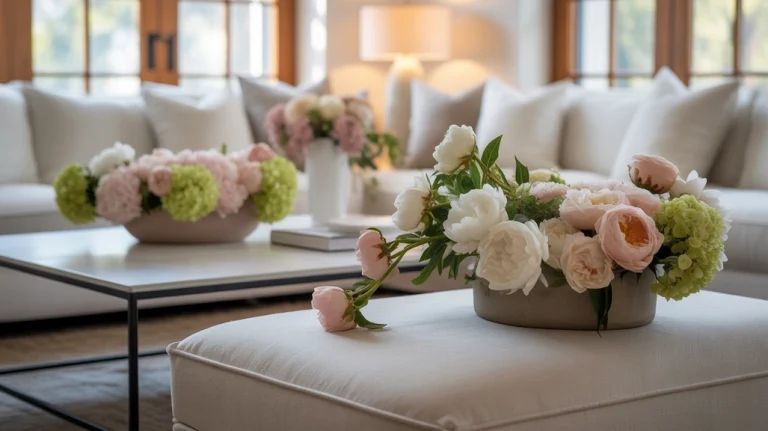
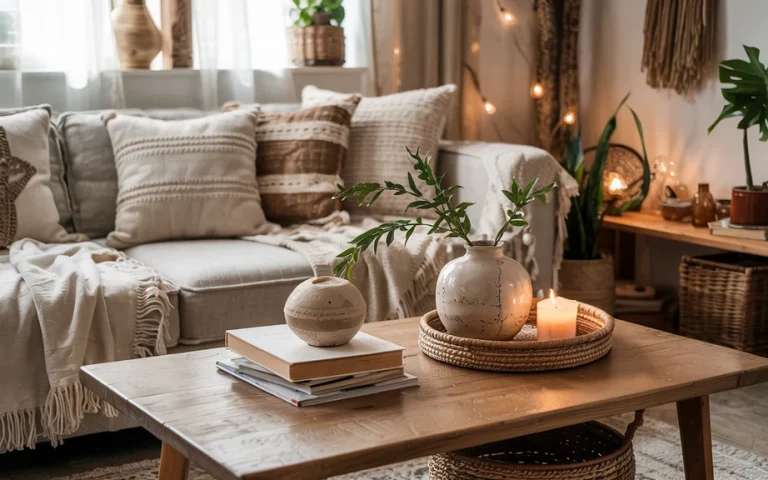
In small apartment living rooms, surfaces fill up quickly and create visual congestion. Coffee tables, side tables, and consoles should remain mostly clear to preserve openness. In effective apartment living room decor ideas, surfaces are treated as breathing zones rather than display areas. One or two intentional items are enough to signal style without overwhelming the room.
Avoid stacking decor or layering objects too closely together. Clutter at eye level makes walls feel closer and ceilings lower. Clear surfaces allow light to travel freely and help the room feel lighter. When restraint guides surface styling, the living room becomes easier to use and more visually spacious.
12. Choosing Curtains That Enhance Height and Light

Window treatments can either open up a small apartment living room or visually compress it. Curtains that extend from ceiling height to the floor help create the illusion of taller walls. In thoughtful apartment living room decor ideas, this vertical extension draws the eye upward rather than stopping at the window frame.
Lightweight fabrics work best, allowing daylight to filter through without blocking it. Avoid heavy patterns or dark colors that absorb light. When curtains frame windows gently and consistently, they support openness while still adding softness and privacy to compact living spaces.
13. Using Storage That Blends Into the Background

Storage is essential in apartments, but visible storage can quickly dominate a small living room. In refined apartment living room decor ideas, storage pieces blend into the background rather than stand out. Cabinets, shelves, or media units should match wall tones or remain visually simple to reduce contrast.
Avoid open storage filled with varied objects, which creates visual noise. Closed storage with clean fronts maintains calm and order. When storage feels integrated rather than added, the room stays functional without sacrificing a sense of spaciousness.
14. Anchoring the Room With Proper Scale

Scale mistakes are amplified in small spaces. Furniture that is too large overwhelms the room, while pieces that are too small feel scattered. In balanced apartment living room decor ideas, scale is carefully calibrated so each element relates proportionally to the space.
This means choosing sofas with appropriate depth, tables that fit circulation paths, and decor that does not overpower surfaces. When scale feels right, the room reads as intentional and comfortable. Proper proportions help small living rooms feel complete rather than cramped or underfurnished.
15. Letting Negative Space Do the Work

Negative space is one of the most powerful tools in small apartment living rooms. Allowing areas of openness gives the eye a place to rest and prevents visual fatigue. In thoughtful apartment living room decor ideas, empty space is treated as a design element rather than a missed opportunity.
Resisting the urge to fill every wall or corner keeps the room from feeling crowded. When negative space is preserved intentionally, furniture and decor feel more impactful. This balance creates a living room that feels calm, breathable, and larger than its actual footprint.
16. Using Slim Profile Seating to Reduce Visual Bulk

Bulky seating quickly overwhelms small apartment living rooms by consuming both physical and visual space. Slim profile seating helps maintain openness while still providing comfort. In refined apartment living room decor ideas, sofas and chairs with narrow arms, shallow depths, and raised legs allow light and sightlines to pass through more easily. This prevents the room from feeling heavy or boxed in.
Comfort does not require bulk. Well-designed slim seating can still offer support without dominating the layout. Avoid oversized cushions or deep sectional forms that compress circulation. When seating feels lighter, the entire living room gains a more breathable, spacious quality.
17. Creating Zones Without Physical Dividers

Apartments often combine living, dining, or work areas within a single room. Creating zones without walls or dividers keeps the space flexible and open. In thoughtful apartment living room decor ideas, zoning is achieved through furniture placement, rugs, or lighting rather than partitions.
A sofa positioned to define seating, a rug anchoring conversation, or a pendant light marking a dining area all provide structure without closing off space. Avoid screens or tall dividers that interrupt sightlines. Subtle zoning allows the room to function efficiently while preserving openness and flow.
18. Keeping Decor Close to Walls to Maximize Space

Pulling decor inward can shrink a small living room quickly. In balanced apartment living room decor ideas, decor stays close to walls, allowing the center of the room to remain open. Wall-mounted shelves, sconces, or art help free up floor area and maintain clear circulation paths.
Furniture should also respect wall alignment where possible. Floating pieces unnecessarily into the room reduces usable space. Keeping elements aligned with walls supports movement and makes the room feel wider and more intentional, even in compact layouts.
19. Choosing Low-Profile Tables for Better Sightlines

Tables placed at eye level can disrupt openness in small apartment living rooms. Low-profile coffee tables and side tables preserve sightlines and reduce visual interruption. In refined apartment living room decor ideas, tables sit comfortably below seating height and avoid bulky bases.
Glass or open-frame tables further enhance this effect by allowing light to pass through. Avoid thick tabletops or heavy storage tables that crowd the room. When tables remain visually light, seating areas feel more open and conversation-friendly.
20. Using Consistent Materials to Maintain Flow

Material consistency helps small spaces feel larger by reducing visual breaks. In thoughtful apartment living room decor ideas, repeating materials such as wood tones, metals, or fabrics creates continuity across furniture and decor. This repetition allows the eye to move smoothly around the room.
Avoid mixing too many finishes, which can fragment the space visually. Subtle variation within the same material family adds interest without clutter. When materials feel cohesive, the living room reads as one unified space rather than a collection of separate pieces.
21. Styling Corners With Restraint

Corners in small apartments can easily become cluttered when treated as leftover storage zones. In balanced apartment living room decor ideas, corners are resolved with restraint—often using one intentional element rather than multiple accessories. A slim lamp, small plant, or single accent piece is often enough.
Avoid stacking decor or placing bulky furniture in corners unless function demands it. Clear corners help maintain openness and prevent visual congestion. When styled minimally, corners contribute to flow instead of interrupting it.
22. Knowing When to Stop Decorating

One of the most important skills in small-space design is knowing when to stop. Over-decorating often undermines even the best apartment living room decor ideas. When every surface and wall is filled, the room loses clarity and feels smaller.
If the space feels balanced, comfortable, and easy to move through, additional decor is unnecessary. Leaving areas intentionally open allows the room to breathe. This restraint ensures the living room remains functional, calm, and visually spacious over time.
Conclusion
Apartment living room decor ideas work best when guided by proportion, restraint, and intentional spacing. In small spaces, clarity matters more than decoration, and every element must earn its place. By choosing visually light furniture, maintaining flow, and respecting negative space, apartment living rooms can feel comfortable without feeling crowded. When restraint leads decisions, even compact living rooms achieve balance, openness, and long-term livability.