16 Minimalist Living Room Ideas for Modern, Simple Homes
Introduction
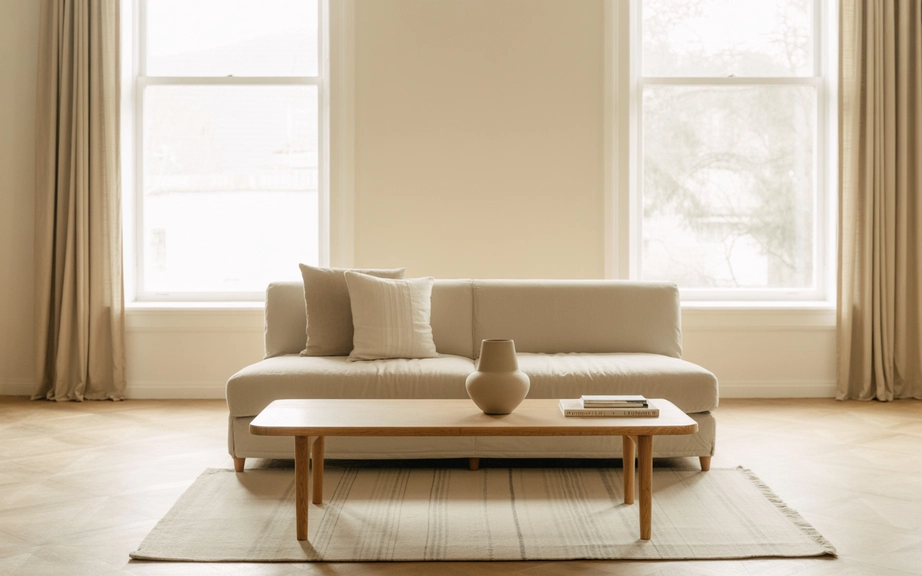
Minimalist living rooms focus on clarity, function, and intentional design rather than decoration overload. Clean lines, open space, and carefully selected materials create interiors that feel calm instead of empty. The most effective Minimalist Living Room Ideas remove visual noise while still supporting daily comfort and warmth. Every piece of furniture earns its place, every surface feels purposeful, and the overall space encourages mental ease. When minimalism is done well, the room becomes timeless rather than trendy, practical rather than sterile. If you enjoy warm simplicity with comfort, explore 17 Cozy Living Room Ideas for a Warm, Inviting Home.
1- Start with a Neutral Color Foundation
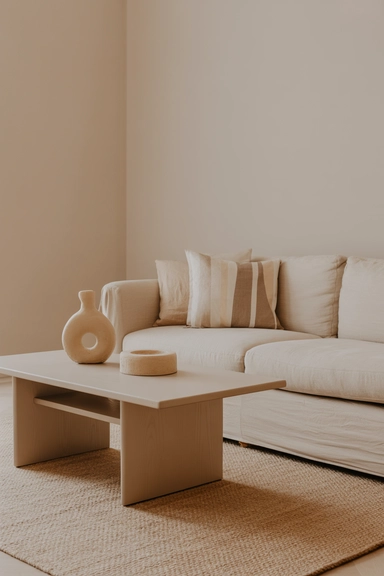
Minimalist living rooms begin with a quiet color palette. Soft whites, warm beiges, pale greys, and muted earth tones form a calm visual base that allows space and light to take priority. Walls, large furniture pieces, and flooring should stay within this restrained range to avoid visual clutter. This foundation makes the room feel open, breathable, and effortlessly organized.
Subtle tonal variation prevents flatness. A slightly darker sofa against pale walls or a warm wood table on a light rug introduces gentle depth. Avoid strong contrast or loud colors that interrupt serenity. These Minimalist Living Room Ideas rely on controlled color relationships to create balance without distraction.
2- Choose Furniture with Clean Lines
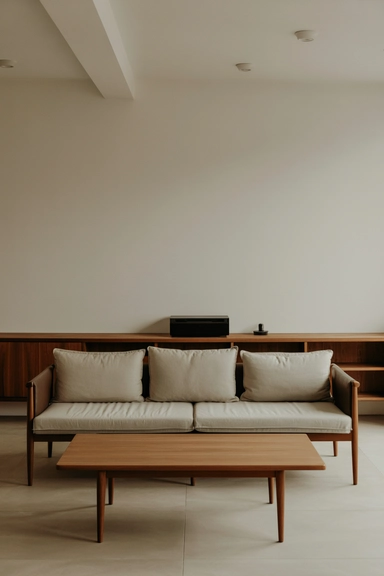
Furniture defines minimalist spaces more than decor. Sofas with straight profiles, slim legs, and simple silhouettes keep the room visually light. Coffee tables, shelving, and media units should have uncomplicated forms with no excessive ornamentation. This simplicity allows movement to feel easy and the room to appear larger.
Comfort remains essential. Clean-lined furniture must still support daily use through soft cushions and ergonomic shapes. Materials like linen, leather, or cotton upholstery add subtle texture without busy patterns. These Minimalist Living Room Ideas show that simplicity and comfort can coexist without sacrificing visual calm.
3- Keep Surfaces Clear and Intentional
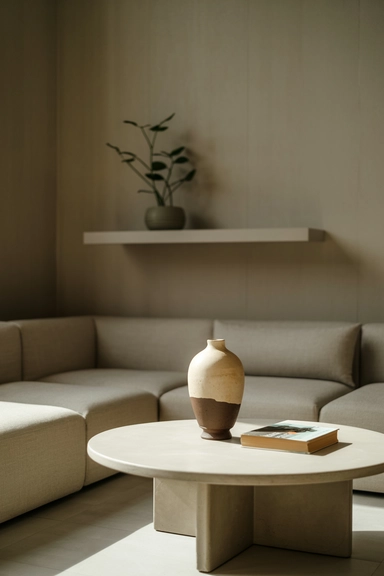
Open surfaces are a hallmark of minimalist interiors. Coffee tables, sideboards, and shelves should remain mostly clear, displaying only a few purposeful objects. This approach reduces visual stress and keeps the room easy to maintain daily. Each visible item should have meaning or function, not simply fill space.
A single ceramic vase, a book stack, or a small plant can be enough. Group objects with breathing space around them to preserve clarity. Avoid decorative clutter that competes for attention. These Minimalist Living Room Ideas emphasize editing rather than decorating, allowing space itself to become part of the design.
4- Use Natural Light as a Design Element
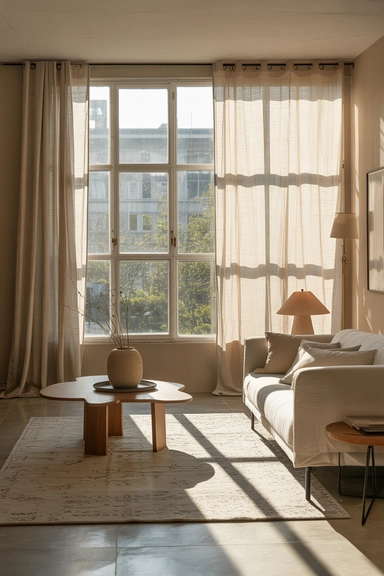
Minimalist rooms rely heavily on natural light to avoid feeling cold. Large windows, sheer curtains, and open layouts allow daylight to move freely through the space. Light highlights clean surfaces and soft textures, bringing quiet warmth without added decoration.
Window treatments should remain simple. Linen sheers or light cotton panels filter brightness without blocking it. Avoid heavy drapes that interrupt openness. These Minimalist Living Room Ideas treat sunlight as a key design feature, shaping mood, emphasizing space, and keeping interiors naturally inviting.
5- Select Storage that Disappears Visually
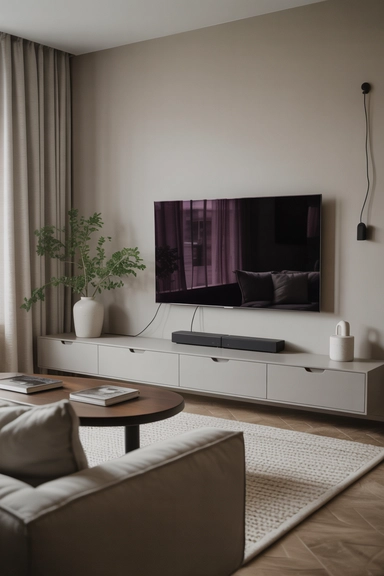
Minimalist living rooms depend on hidden storage to maintain visual calm. Closed cabinets, floating media consoles, and handle-free drawers keep everyday items out of sight. This prevents visual clutter from interrupting clean lines and open surfaces. When storage blends into walls or furniture, the room feels lighter and more spacious.
Material choice matters. Matte finishes, light wood tones, or wall-colored cabinetry help storage units visually recede. Inside, organized compartments make daily routines easier. These Minimalist Living Room Ideas show that good storage design is not about adding furniture, but about removing distraction.
6- Limit Decor to Statement Pieces
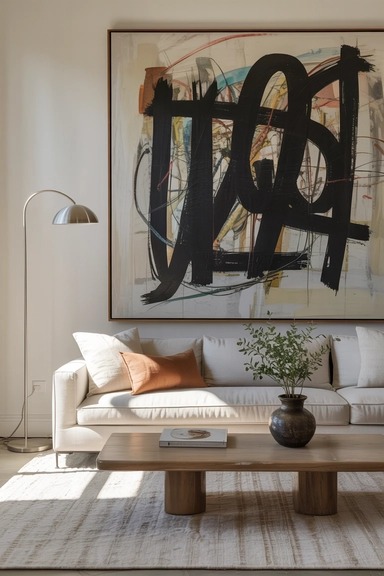
Minimalist spaces do not eliminate decor; they refine it. A single sculptural vase, an oversized artwork, or a striking floor lamp creates visual interest without filling the room with small accessories. Statement pieces replace clusters of decor, allowing each chosen item to stand out with clarity.
Scale is important. One large piece has more impact than several small ones competing for attention. Color and texture should complement the neutral base without overpowering it. These Minimalist Living Room Ideas rely on bold simplicity to achieve elegance without excess.
7- Balance Minimalism with Soft Texture
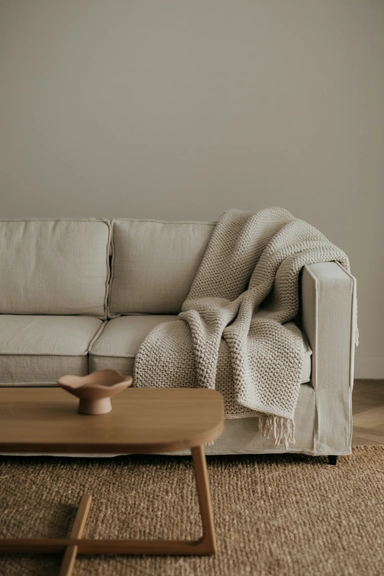
Texture prevents minimalist interiors from feeling cold. Linen upholstery, wool rugs, cotton cushions, and raw wood surfaces introduce warmth without visual noise. This balance between smooth and tactile materials creates comfort while maintaining clean aesthetics. The room feels serene but still livable.
Layering texture must stay subtle. Avoid busy patterns or heavy ornamentation. A woven rug under a simple sofa or a knit throw over a clean-lined chair is enough. For warmth-focused inspiration that pairs beautifully with minimalist style, explore 18 Cozy Living Room Design Ideas for Warm, Textured Spaces. These Minimalist Living Room Ideas prove that softness and simplicity belong together.
8- Keep Technology Visually Controlled
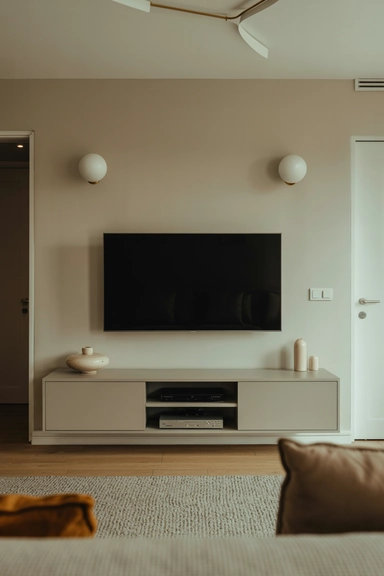
Electronics can easily disrupt minimalist design. Visible cables, bulky TV units, and exposed devices add unnecessary visual noise. Floating consoles, hidden wiring, and wall-mounted screens keep technology functional but visually quiet. This allows the room to feel intentional rather than entertainment-centered.
Planning layout helps. Position screens so they don’t dominate sightlines when not in use. Store remotes and accessories in concealed compartments. These Minimalist Living Room Ideas treat technology as integrated infrastructure, not decorative focal points.
9- Use Open Space as Part of the Design
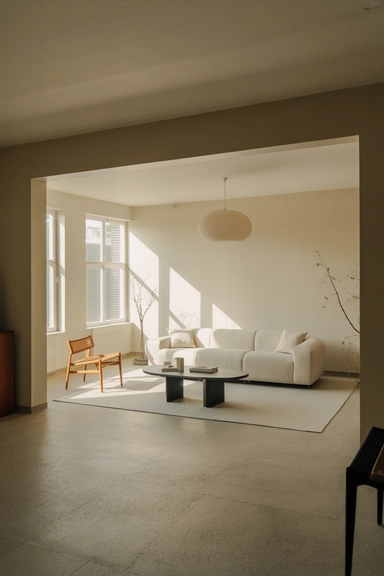
In minimalism, empty space is not unfinished; it is deliberate. Open floor areas and uncluttered corners give the eye a place to rest. This visual breathing room enhances calmness and makes furniture placement feel purposeful rather than crowded.
Achieving this requires restraint. Avoid filling every wall or surface. Let furniture float where possible instead of pushing everything against walls. These Minimalist Living Room Ideas use openness to define elegance, proving that absence can be as powerful as presence.
10- Focus on Quality Over Quantity
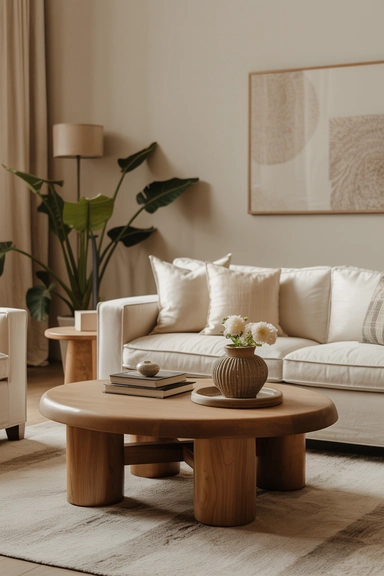
Minimalist living rooms feel refined because every piece is chosen with care. Instead of filling a space with many affordable items, invest in fewer, well-made furniture pieces that age gracefully. A solid wood table, a durable sofa, or a timeless rug becomes the backbone of the room’s design and reduces the need for constant replacement.
This approach also simplifies visual composition. When fewer objects exist, each one carries weight and meaning. Materials feel intentional, not temporary. These Minimalist Living Room Ideas demonstrate that long-term comfort and aesthetic calm come from thoughtful selection, not constant decoration.
11- Use Large-Scale Art Instead of Multiple Small Pieces
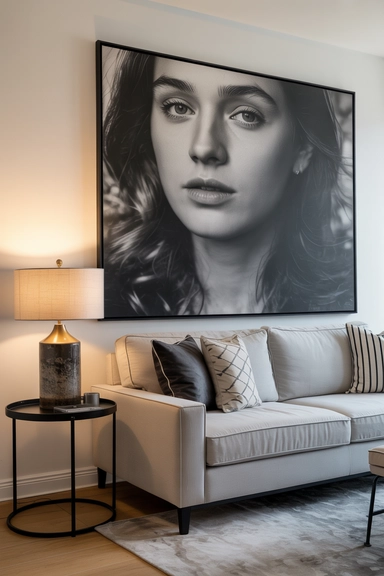
Wall decor in minimalist spaces works best when simplified. A single large artwork creates a focal point without cluttering visual space. It draws attention calmly and anchors the seating area without requiring additional frames or accessories. This keeps walls expressive but restrained.
Color choice should harmonize with the room’s palette. Soft abstracts, line art, or monochrome photography work especially well. Avoid busy compositions that disrupt serenity. These Minimalist Living Room Ideas show how one confident artistic choice can replace a dozen smaller distractions.
12- Choose Low-Profile Furniture
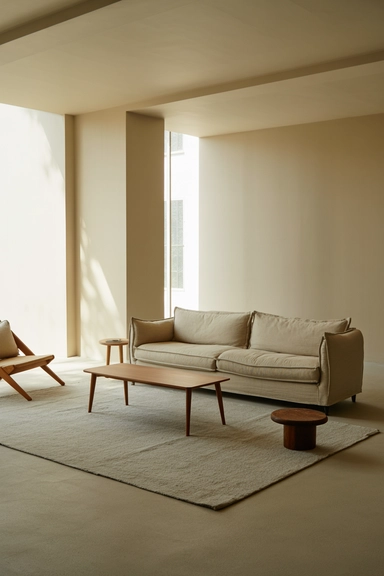
Low-profile seating keeps sightlines open and enhances spaciousness. Sofas closer to the floor, slim-legged chairs, and low coffee tables maintain a grounded visual flow. This creates a feeling of quiet stability and openness, especially in smaller homes.
Comfort should remain uncompromised. Cushions must support relaxed seating even when frames are visually light. Pair low furniture with simple rugs and neutral tones to preserve balance. These Minimalist Living Room Ideas use proportion to make rooms feel larger and calmer without removing comfort.
13- Keep Decorative Objects Purposeful
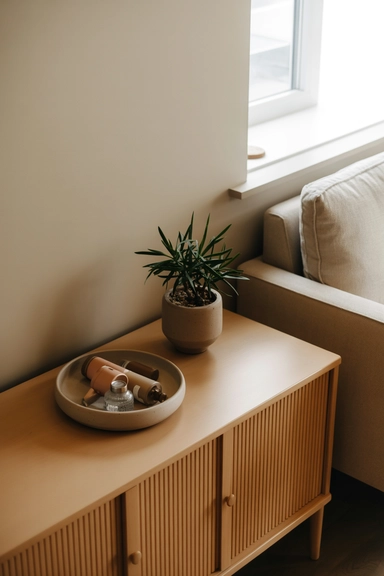
Minimalist decor is not about having nothing — it is about having meaning. A ceramic bowl that holds keys, a plant that improves air quality, or a book that is actually read all serve both form and function. This dual purpose keeps decor honest rather than performative.
Spacing enhances impact. When objects have room to breathe, they feel intentional instead of forgotten. Avoid impulse decor that fills gaps. These Minimalist Living Room Ideas rely on purpose-driven styling to maintain visual clarity and emotional connection.
14- Create Flow with Consistent Materials
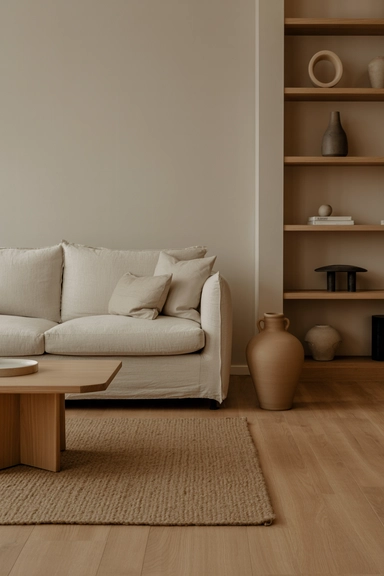
Material consistency helps minimalist spaces feel unified. Repeating wood tones, fabric types, or metal finishes across furniture and decor prevents visual fragmentation. When materials echo each other, the eye moves smoothly across the room without interruption.
This does not mean everything must match. Subtle variation in texture or tone keeps the space from feeling flat. A linen sofa paired with a wool rug and wooden table offers quiet diversity within cohesion. These Minimalist Living Room Ideas use material rhythm to build harmony.
15- Allow the Room to Breathe
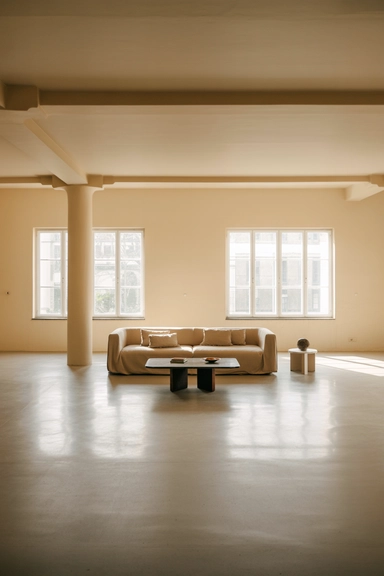
Minimalist design values negative space. Leaving areas intentionally open allows movement and mental calm. It also ensures furniture arrangements feel considered rather than crowded. Open corners, clear walkways, and uncluttered walls give the room a relaxed rhythm.
Resisting the urge to fill empty space is key. Not every wall needs decor, and not every corner needs a plant. These Minimalist Living Room Ideas use restraint to create peace, showing that comfort often comes from what is left out.
16- Adapt Minimalism to Daily Life
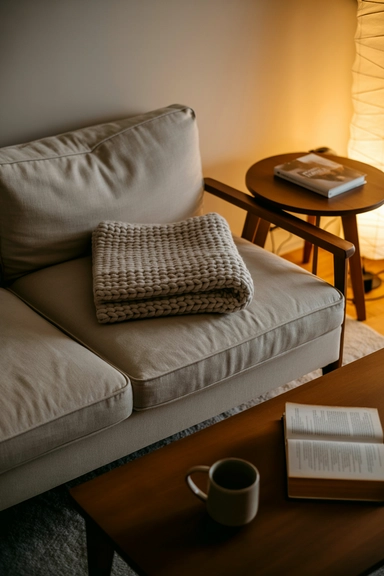
A successful minimalist living room supports real habits. Storage should match daily routines, seating should suit how people relax, and lighting should adjust to time of day. A space that looks minimal but ignores lifestyle becomes frustrating instead of calming.
Flexibility matters. Add cushions in winter, remove extras in summer, adjust layout as needs change. These Minimalist Living Room Ideas recognize that true minimalism is not static — it evolves with the people who live in the space.
Conclusion
Minimalist living rooms feel timeless because they prioritize clarity, function, and comfort over decoration. When color is controlled, furniture is intentional, and space is respected, calm becomes the defining feature of the room. These Minimalist Living Room Ideas offer structure, but true success comes from adapting simplicity to real daily living. A room that supports life without visual noise will always feel modern, peaceful, and effortlessly welcoming.